
SCI Equipment Guide
Every category of equipment after a spinal cord injury — what to get, what brands work, how to fund it, where to buy it. Community-vetted and regularly updated.
♿Wheelchairs
Manual and power — choosing the right chair changes everything
Wheelchairs
Manual and power — choosing the right chair changes everything
→ Save your shoulders & hands: Best Power Assist for Manual Wheelchairs · Best Wheelchair Gloves
Manual Wheelchairs
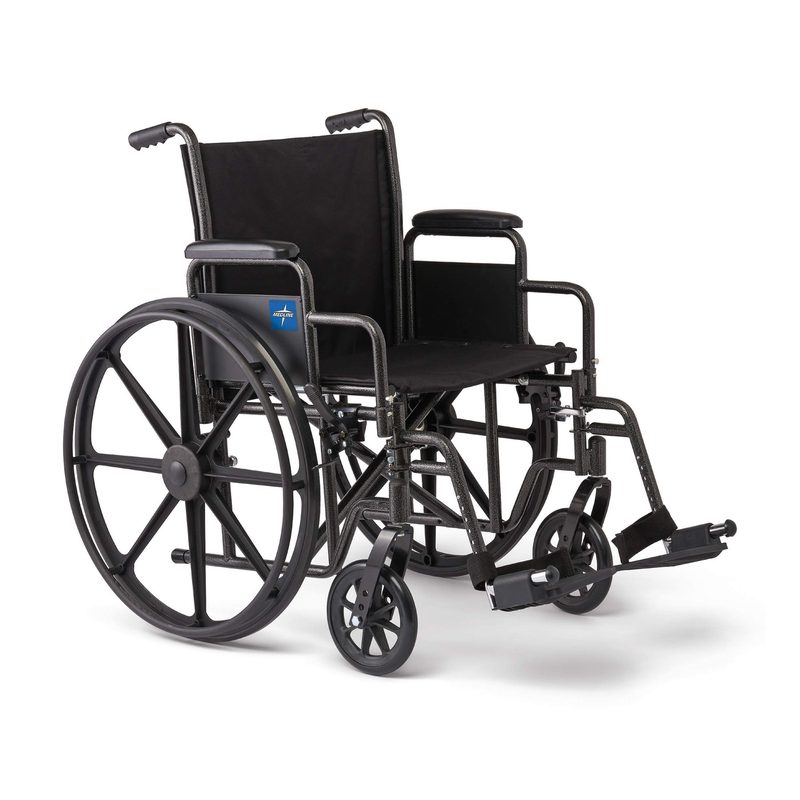
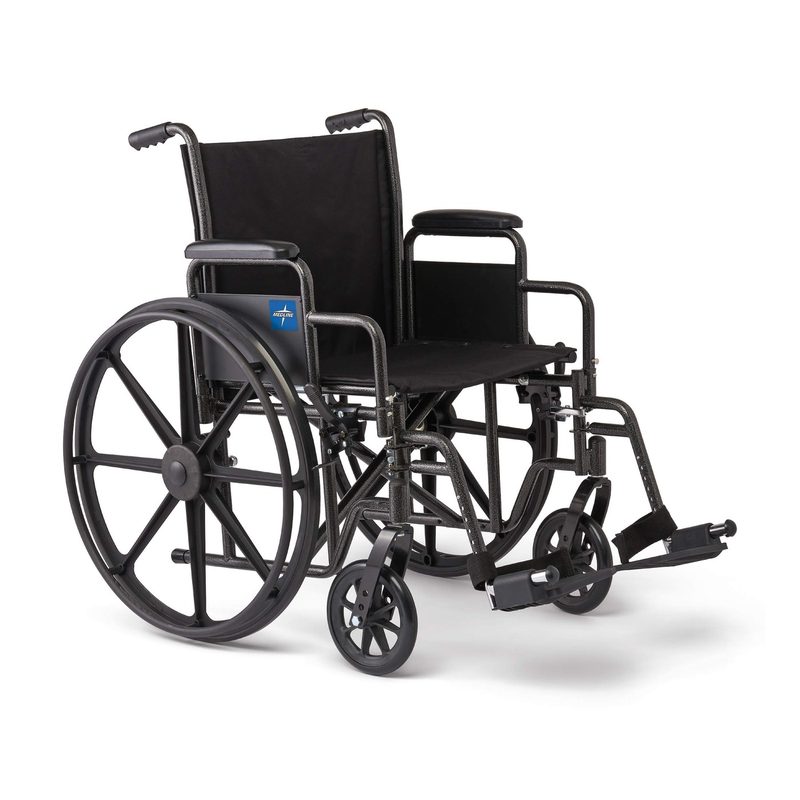
Most paraplegics and lower-level quadriplegics use manual wheelchairs. The features to prioritize: weight (lighter = less shoulder damage), rigid vs. folding frame (rigid is lighter and more efficient; folding fits easier in cars), and adjustability (axle position, seat angle, camber). Don't settle for a hospital chair — a proper custom rigid ultralight chair is a different experience entirely.
 Top Pick
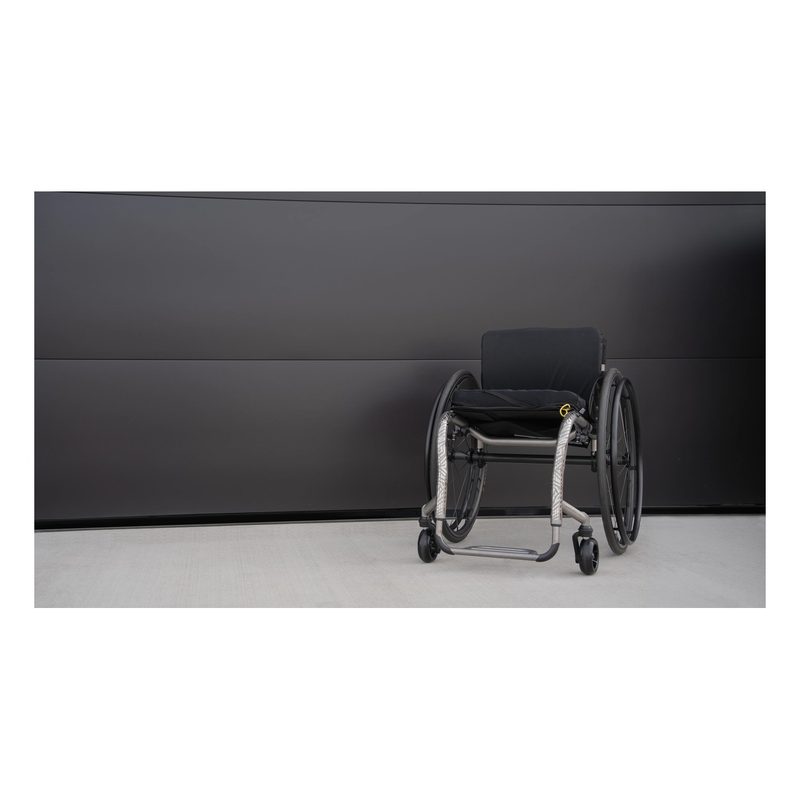
TiLite ZRA Titanium Rigid Chair
Titanium mono-tube frame — exceptionally light, vibration-absorbing, fully customizable. The chair many experienced SCI users land on. Highly adjustable axle position lets you dial in the perfect propulsion mechanics. Built to last decades.
 Community Favorite
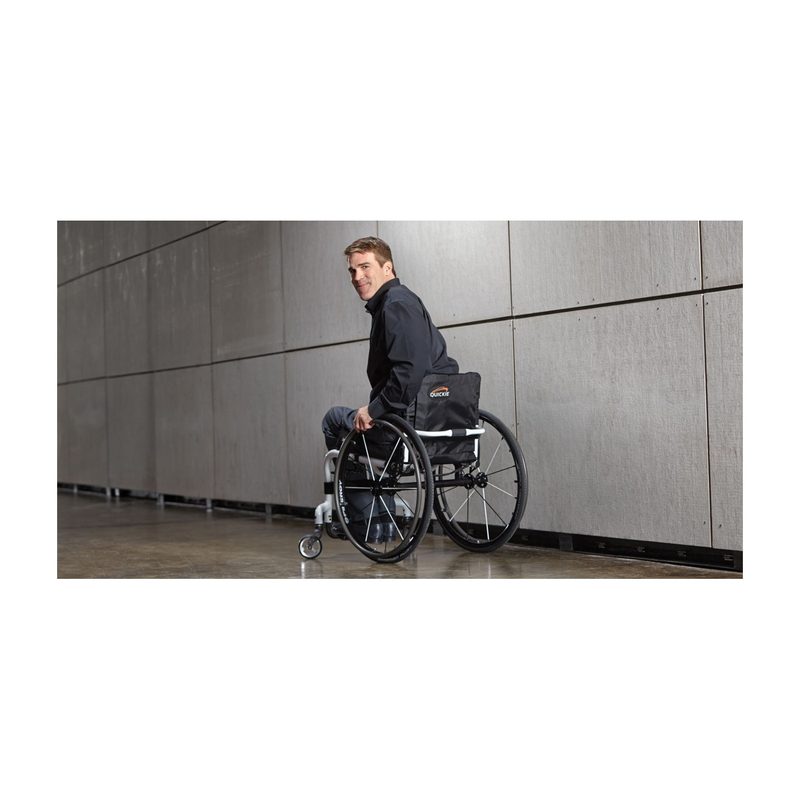
Quickie 2 / Q7 Rigid Ultralight
One of the most popular active-user chairs in the US. Highly adjustable, ultralight aluminum, available in rigid or folding. The Q7 is their most lightweight option. Excellent for active lifestyles.
 Community Favorite
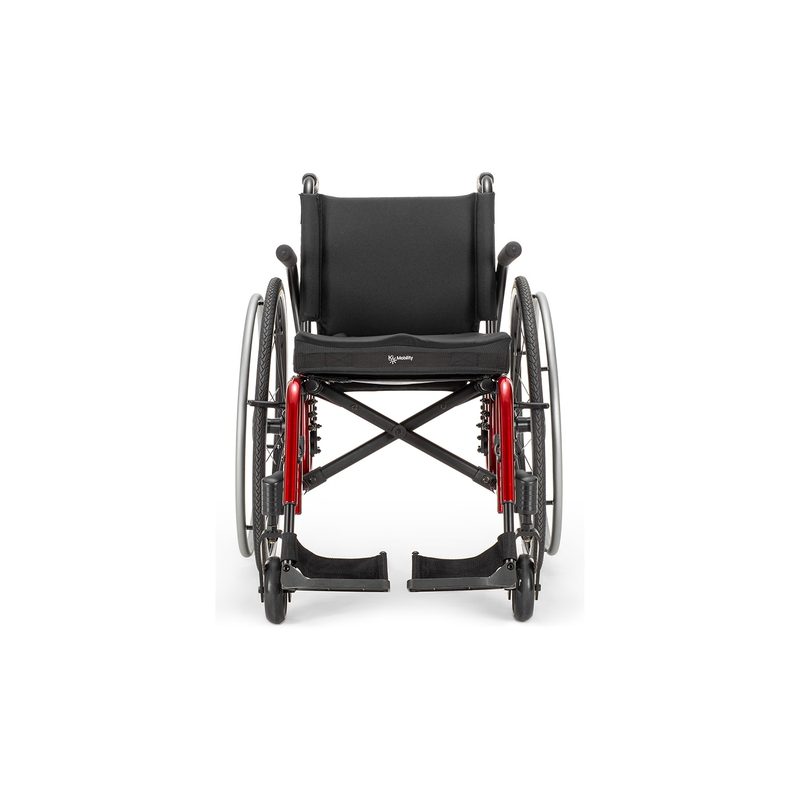
Ki Mobility Catalyst / Rogue
Growing following in the SCI community. Excellent build quality, great customization options, competitive pricing vs. TiLite and Quickie. Worth a look in any rigid ultralight comparison.
 Protect Your Hands
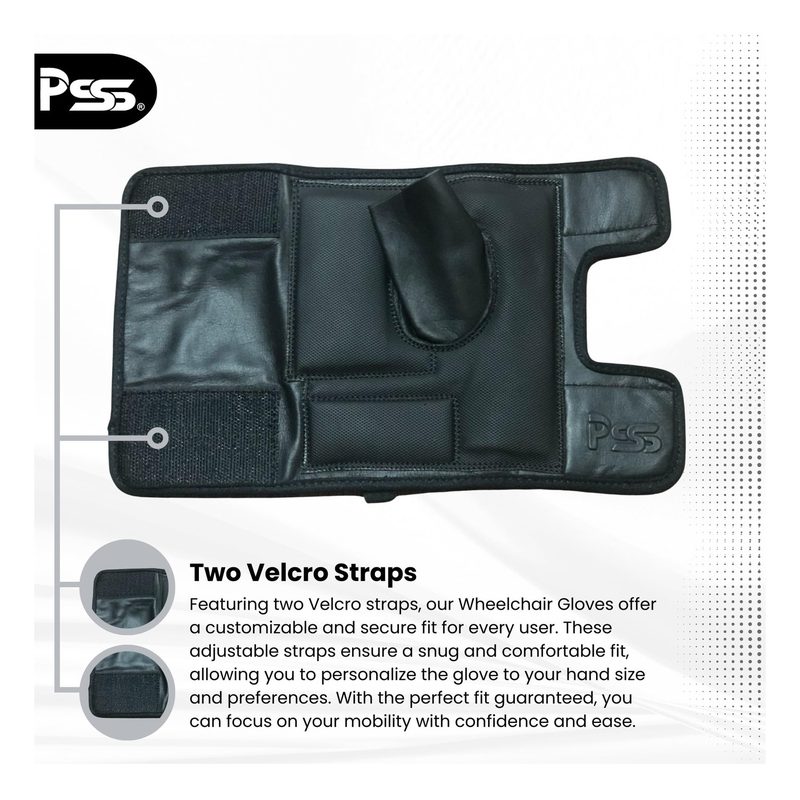
Wheelchair Gloves / Pushrim Grip
If you push a manual chair, your hands take a beating — blisters, calluses, grip fatigue. Padded gloves protect your palms, improve push efficiency, and help protect your shoulders long-term. Full-finger adds warmth; half-finger keeps dexterity for transfers and phones. A cheap win experienced users wish they'd started sooner.
Power Wheelchairs
→ Full decision guide: Power Wheelchairs — drive types (front/mid/rear), controls, tilt/recline/standing, seating, manufacturers & dealers. The two chairs below are reference points, not the whole market.
Power chairs are essential for cervical injuries and anyone whose shoulder health or fatigue makes manual propulsion impractical. Key considerations: drive wheel position (mid-wheel is most maneuverable; front-wheel handles outdoor terrain better), power positioning (tilt, recline, elevation), and control method (joystick, head array, sip-and-puff).
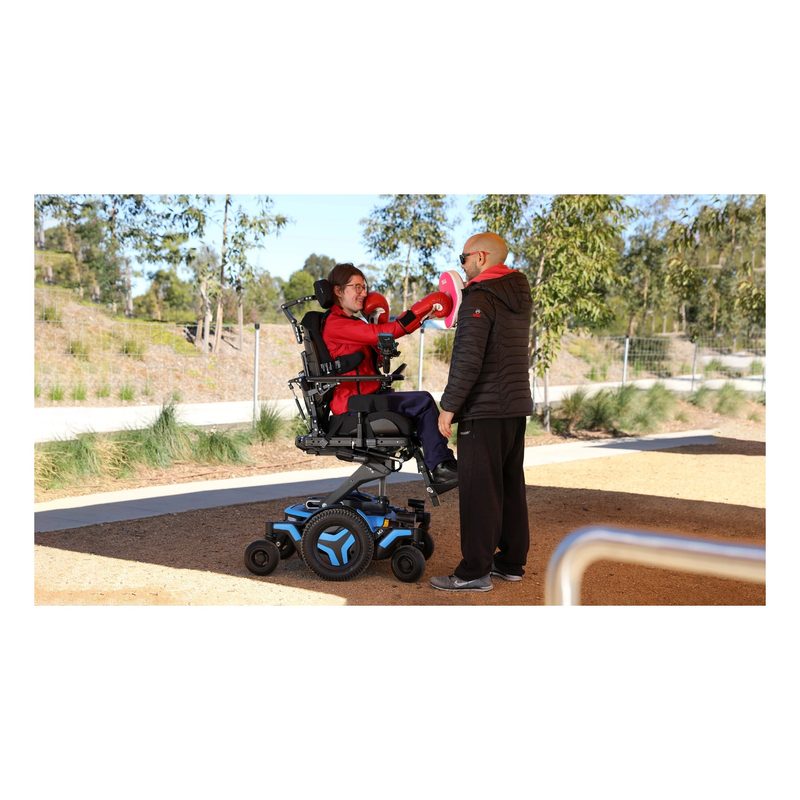 Top Pick — Cervical
Permobil F5 Corpus VS
The benchmark for high-end power chairs. Front-wheel drive handles outdoor terrain extremely well. 14" powered seat elevation, 45° forward tilt, advanced suspension. Excellent tech integration including smartphone control. Best for active cervical users who go outside frequently.
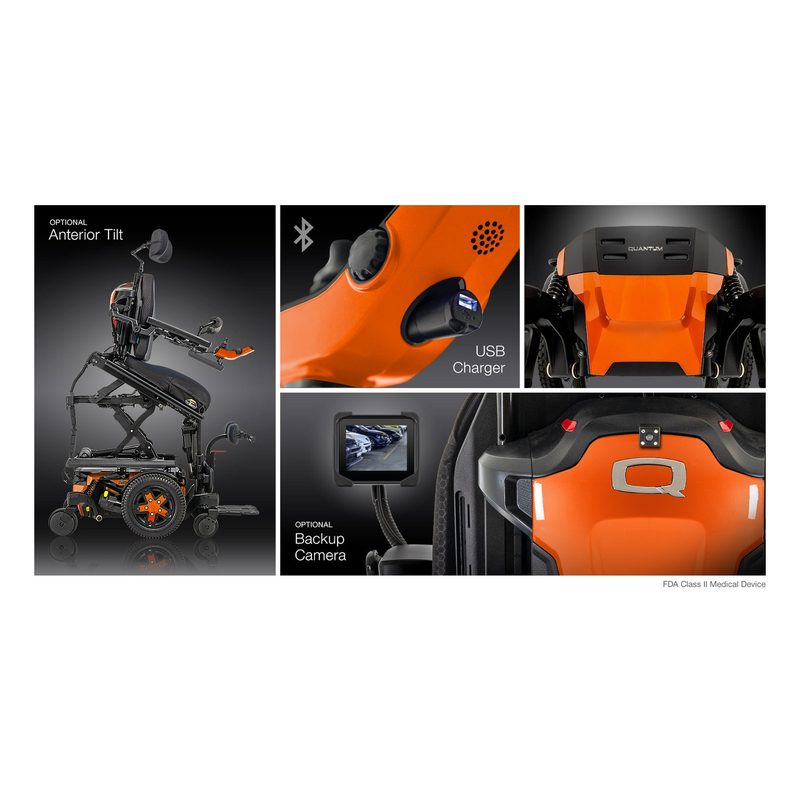 Community Favorite
Quantum Q6 Edge 3
Mid-wheel drive, excellent indoor maneuverability. Full power positioning available. Good value vs. Permobil. Wide dealer network makes repairs easier. The Q6 Edge series is one of the most widely used complex rehab power chairs in the US.
 Insurance Note
Power Wheelchair Funding
Complex rehab power wheelchairs require extensive documentation: physician prescription, PT/OT evaluation, letter of medical necessity, and often a face-to-face evaluation with the prescribing physician. Start the process early — it typically takes 3–6 months from evaluation to delivery. Appeals are common and usually winnable.
🪑Wheelchair Cushions
Pressure relief is not optional — the wrong cushion can cost you months of healing from a pressure injury
Wheelchair Cushions
Pressure relief is not optional — the wrong cushion can cost you months of healing from a pressure injury
A wheelchair cushion is medical equipment, not an accessory. It should be prescribed and fitted as part of a seating evaluation. The goal: prevent pressure injuries by distributing your weight away from bony prominences (ischial tuberosities, coccyx, greater trochanters). The right cushion depends on your pressure injury risk, posture, functional mobility, and daily routine.
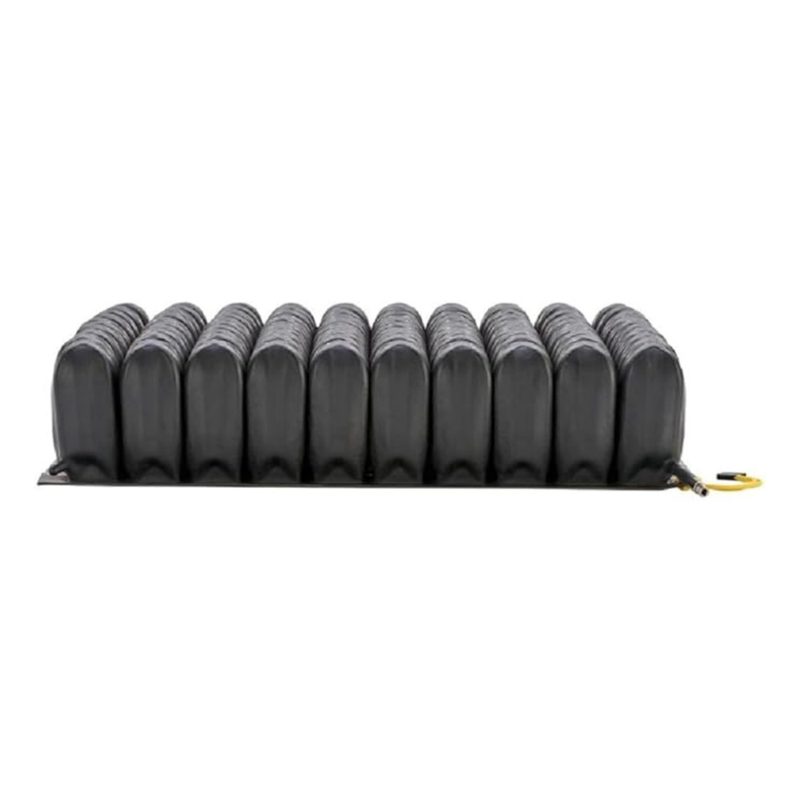 Gold Standard — Pressure Relief
ROHO High Profile / Hybrid Elite
Air-cell cushions — the benchmark for pressure relief. Individual air cells conform to body contours and can be adjusted for each patient. The High Profile offers maximum pressure relief. The Hybrid Elite adds foam zones for improved stability. ROHO Smart Check models have a sensor for easy inflation monitoring. Requires regular inflation management but is unmatched for pressure relief.
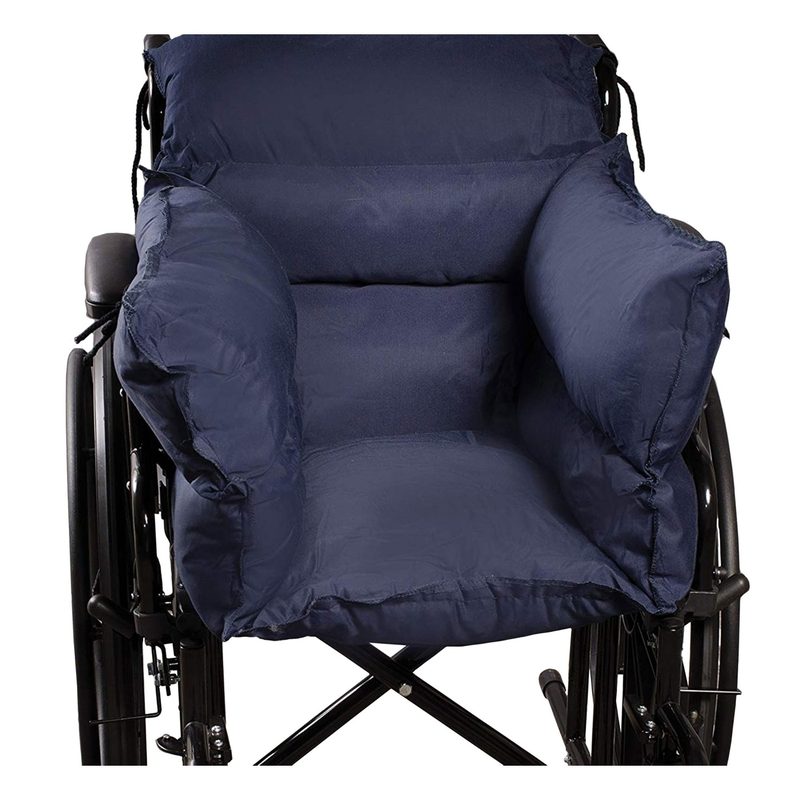 Community Favorite — Balance
Jay J2 / Jay Active
Gel-foam cushions — excellent balance of pressure relief and postural support. The J2 Deep Contour has been a consistent community favorite for years. More stable than ROHO for active propulsion. Requires less maintenance. Jay Active is designed for high-activity users. The fluid pad can be adjusted for individualized positioning.
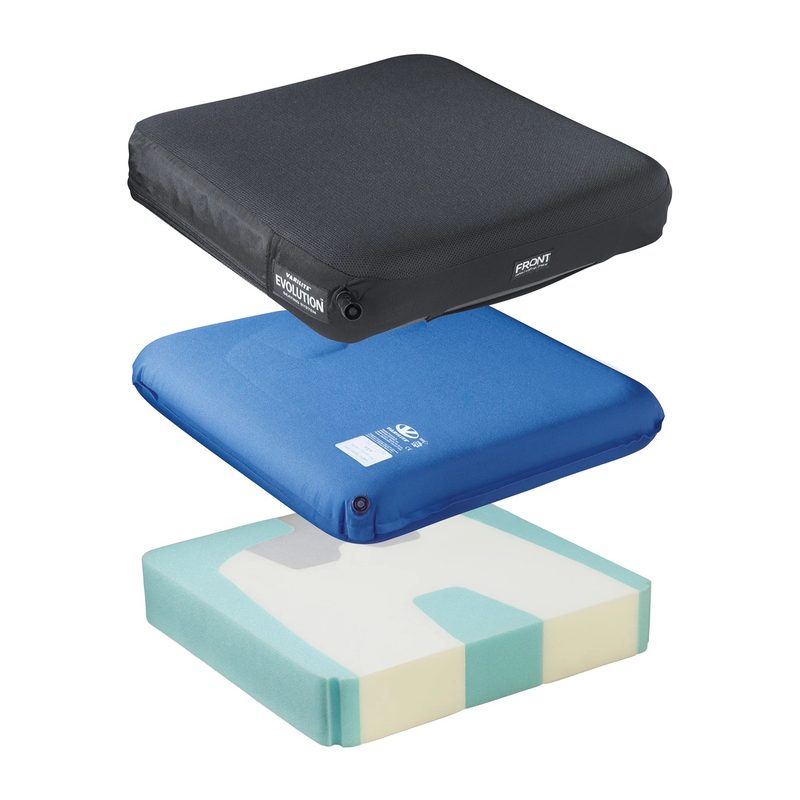 Community Favorite — Active Users
Varilite Evolution / Meridian
Air-foam hybrid cushions. Lighter than gel cushions, highly contourable, excellent for active users who need both pressure relief and positioning. The Evolution line is well-regarded in the SCI community for active paraplegics who don't want the maintenance of a pure air cushion.
→ Full comparison: Best Wheelchair Cushions for Pressure Relief (2026) — ROHO vs Jay vs Varilite vs custom, with honest cons and who should skip each.
When off-the-shelf isn't enough: custom-molded seating
If you keep getting redness or sores despite a good standard cushion, or you have significant asymmetry, pelvic obliquity, or a history of flap surgery, the next step is a custom-molded cushion — shaped to your exact anatomy at a seating clinic. The benchmark here is Ride Designs' Ride Custom 2: an evidence-based design that off-loads your at-risk bony prominences entirely rather than just padding them, promotes airflow, and can be modified in the field as your body changes. It requires casting/fitting through an ATP or seating specialist, and with the evaluation it typically runs into the thousands of dollars.
🫧Catheters & Bladder Supplies
The products that actually make bladder management livable — what the community uses
Catheters & Bladder Supplies
The products that actually make bladder management livable — what the community uses
→ Full comparison: Best Intermittent Catheters After SCI (2026) — hydrophilic vs closed-system vs coudé vs compact, free samples, and insurance coverage.
See the Bladder Management article for clinical guidance. This section covers specific products, supplier tips, and community recommendations. Your catheter choice has a real impact on comfort, UTI rates, and daily life.
Intermittent Catheters
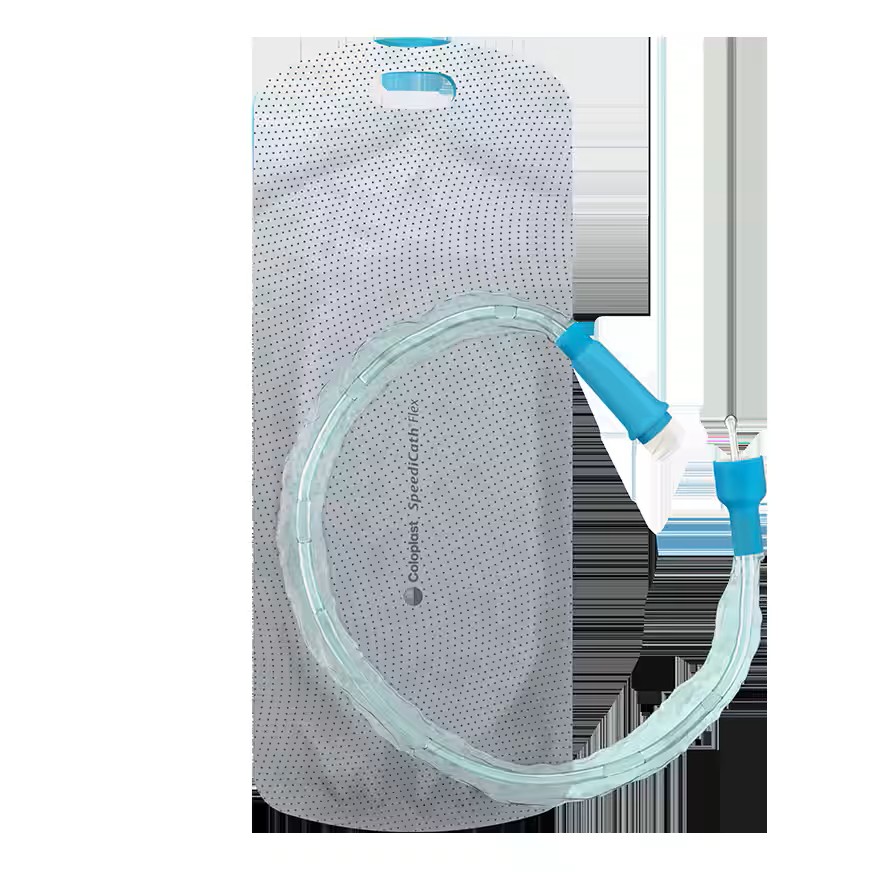 Most Recommended
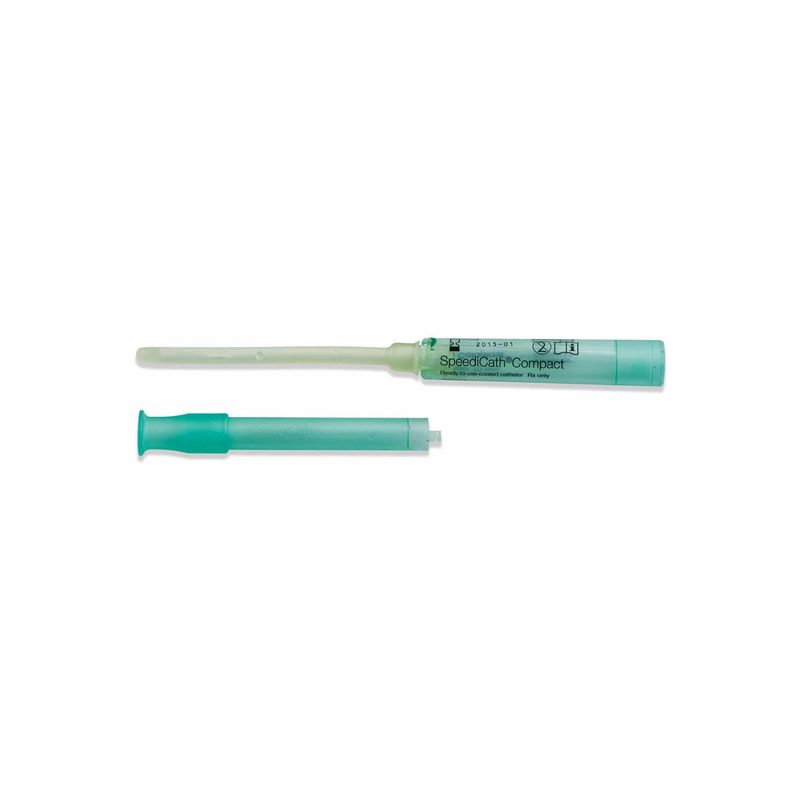
SpeediCath Compact / SpeediCath Flex
Hydrophilic, pre-lubricated, no-touch design. The Compact male is one of the most discreet catheters available — small enough to fit in a pocket. The Flex has a bendable tip for men who struggle with standard straight catheters. SpeediCath's hydrophilic coating may reduce urethral microtrauma, though evidence that any catheter type actually lowers UTI rates is mixed. Widely the community's first recommendation for men.
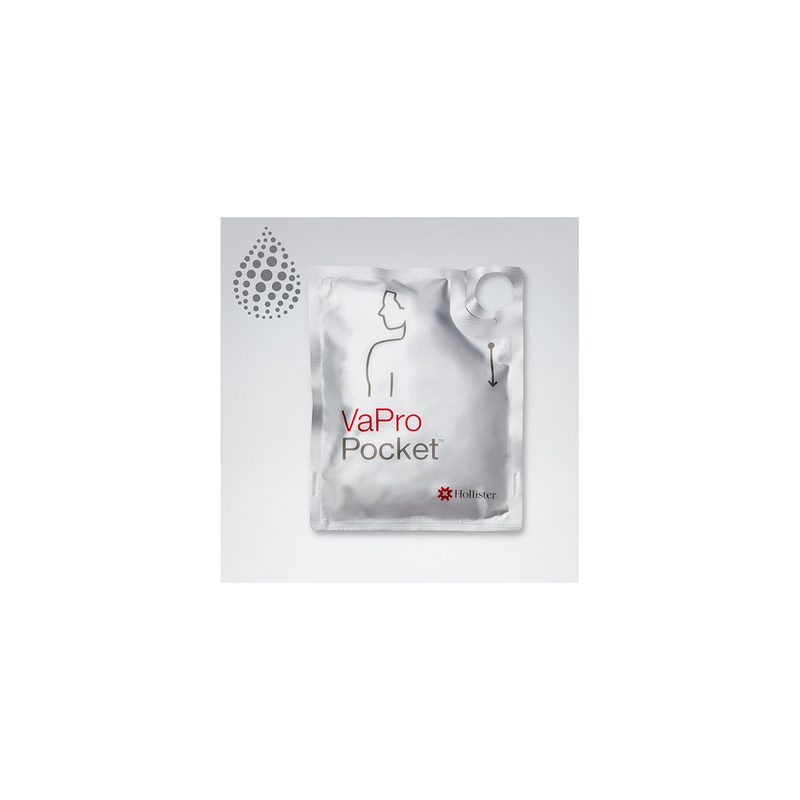 Community Favorite — Limited Hand Function
VaPro Plus Pocket Catheter
Hydrophilic, no-touch, pre-lubricated, extremely compact. Highly rated for people with limited hand dexterity — the no-touch design means less precise grip is needed. Available as a pocket catheter (discreet for public use). One of the top community picks for cervical injury users.
 For Women
SpeediCath Compact Eve
Designed specifically for women — shorter length, triangular shape that's easier to grip and position. Pre-lubricated hydrophilic. One of the few catheters actually designed for female anatomy. Standard unisex catheters are too long and unwieldy for most women. This is consistently recommended by female SCI users.
 Budget Option
Cure Hydrophilic / Cure Twist
Quality hydrophilic catheters at lower price points than Coloplast. The Cure Twist has a unique rotating handle for one-handed use. Good option if insurance doesn't cover premium hydrophilic catheters or if cost is a significant factor.
Indwelling & Suprapubic Catheters
 Leg Bags
Leg Bags & Drainage Systems
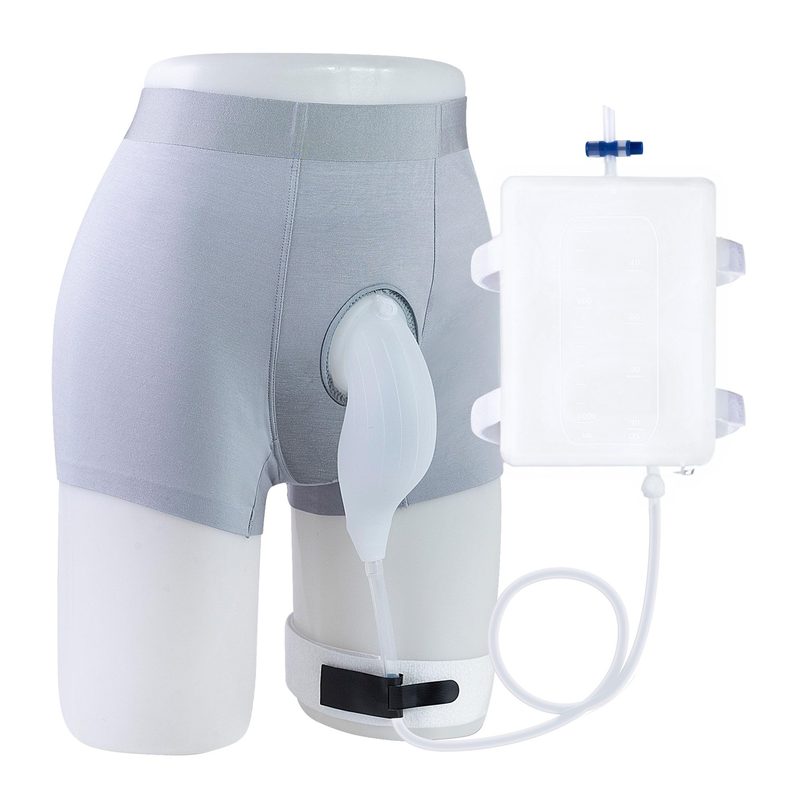
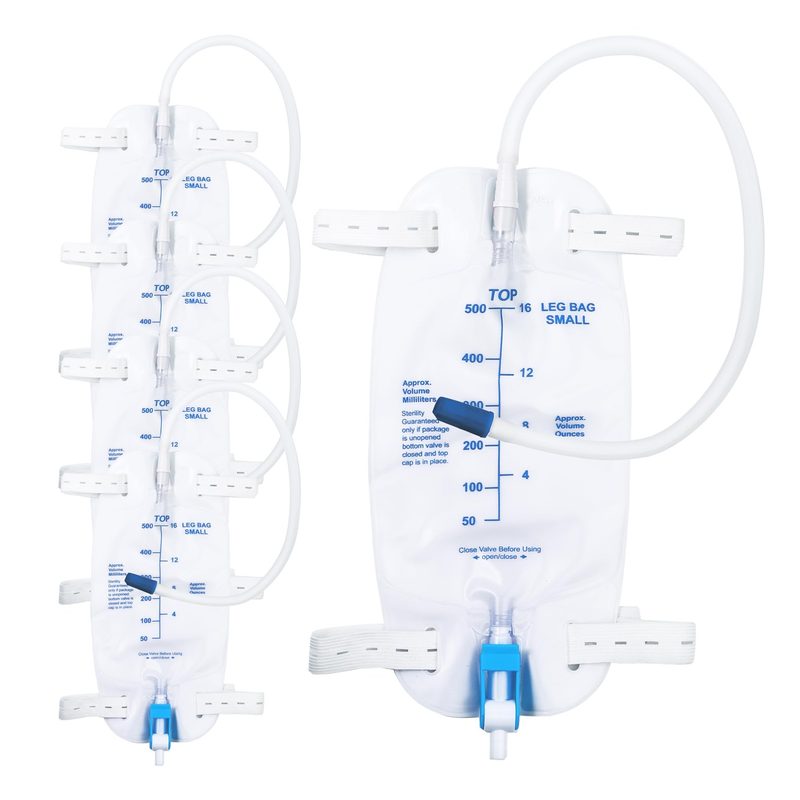
If using a Foley or SPC, the drainage bag system matters for daily function. Key considerations: valve type (flip-flow vs. tap drain — flip-flow much easier for limited hand function), capacity (small for day/activity, large for overnight), strap system (leg straps vs. thigh bags vs. belly bags). The Coloplast Conveen belly bag is popular for its discreet waistband mounting.
 Coudé Tip
Coudé Tip Catheters
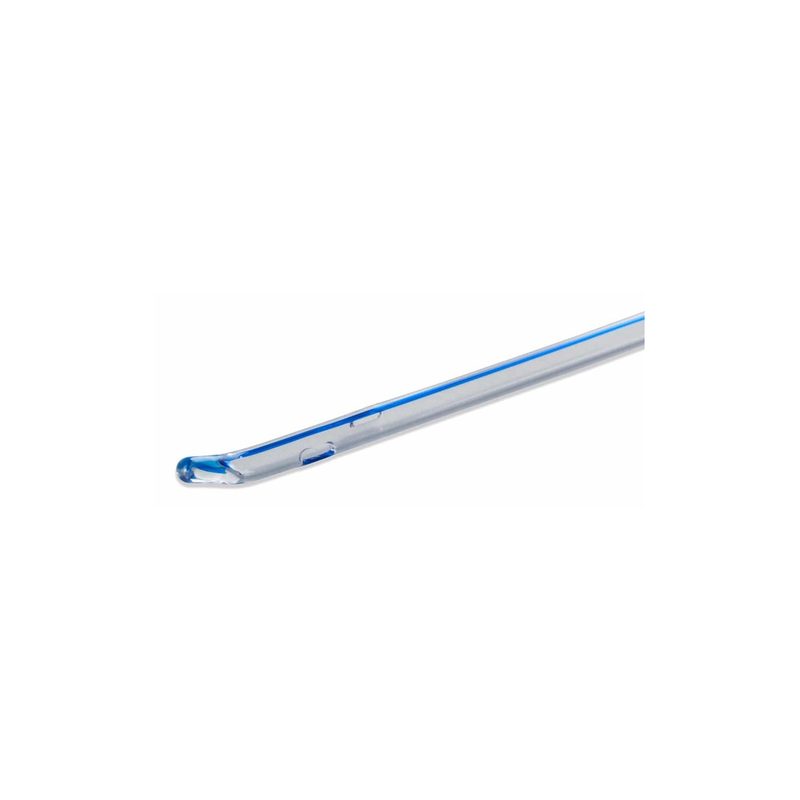
For men with enlarged prostates, urethral strictures, or who experience resistance with standard straight-tip catheters. The angled tip navigates the prostatic curve more easily. Brands: Bard, Rochester, LoFric, Coloplast. Ask your urologist if you're struggling to pass a standard catheter — a coudé tip often solves the problem immediately.
💧Bladder Health & UTI Prevention
Recurrent UTIs are one of the most common — and most preventable — problems after SCI
Bladder Health & UTI Prevention
Recurrent UTIs are one of the most common — and most preventable — problems after SCI
UTIs are a constant battle for many people who catheterize. Alongside good technique and hydrophilic or closed-system catheters, a few inexpensive supplements have become community favorites for reducing how often infections hit. None of these treat an active infection — if you have UTI symptoms or signs of autonomic dysreflexia, call your provider. This is about prevention.
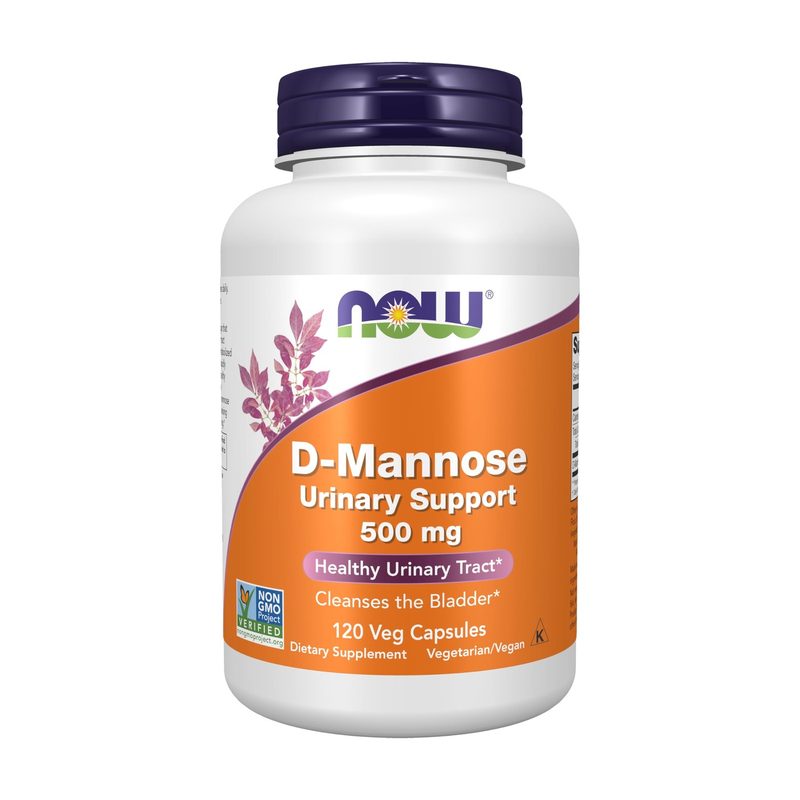 Popular but Unproven
D-Mannose
A naturally occurring sugar that blocks E. coli from adhering to the bladder lining, so it gets flushed out before it can cause an infection. Widely used as daily prevention, though the largest randomized trial (MERIT, 2024) found it did not reduce recurrent UTIs. Powder dissolves in water; capsules are easier to dose on the go. A common preventive routine is around 2 g per day — confirm with your provider. Not for treating an active infection.
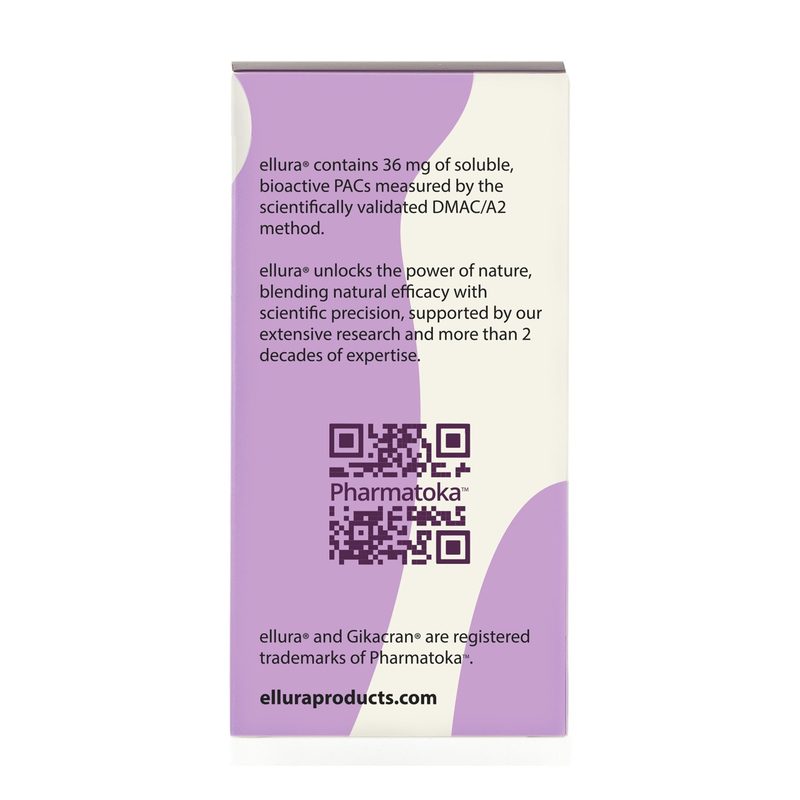
Cranberry PAC Supplement
Cranberry's proanthocyanidins (PACs) may help keep bacteria from adhering — similar idea to D-mannose. The evidence is mixed and weaker than most people assume, but it's low-risk and some swear by it. Look for capsules standardized to 36 mg PACs rather than sugary cranberry juice, which can do more harm than good.
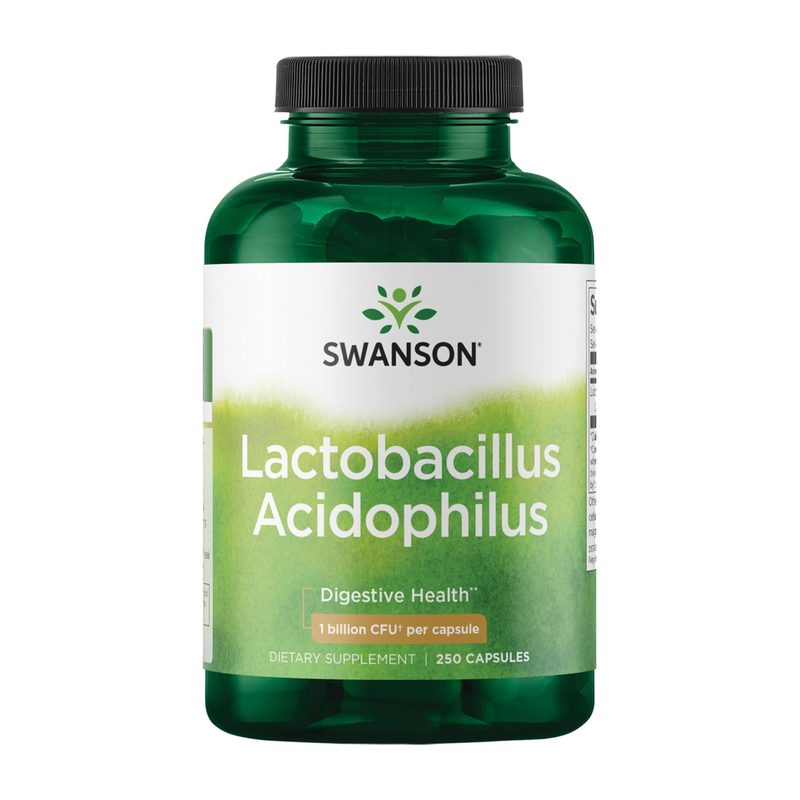
Probiotics (Urinary & Gut)
A healthier microbiome may help crowd out the bacteria that cause UTIs, and probiotics also support the bowel program many SCI users struggle with. Lactobacillus strains are the most commonly used. A reasonable, low-risk addition to a prevention routine — and easy to take alongside D-mannose.
🍃Bowel Management Supplies
The products that make your bowel program work — or not
Bowel Management Supplies
The products that make your bowel program work — or not
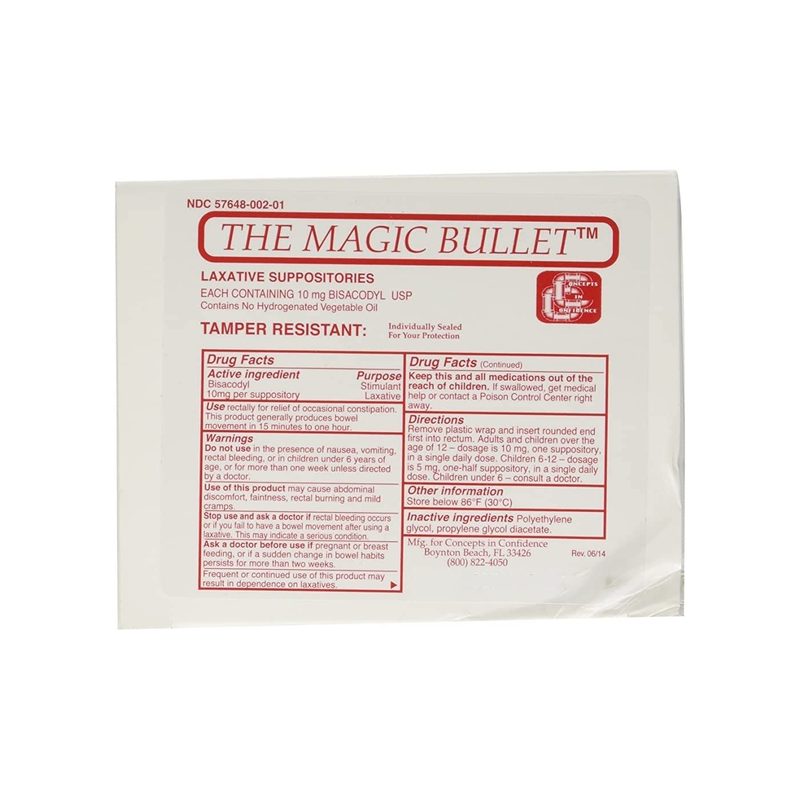 Community #1 Pick
Magic Bullet Suppositories
Polyethylene glycol base — dissolves faster than wax-based bisacodyl, works in 10–20 minutes vs. 30–45 min for standard suppositories. Consistently the community's top recommendation for UMN bowel programs. "Switched to Magic Bullets and cut my bowel program time in half" is a phrase that appears constantly in SCI forums. Available without prescription.
 Community Favorite — Speed
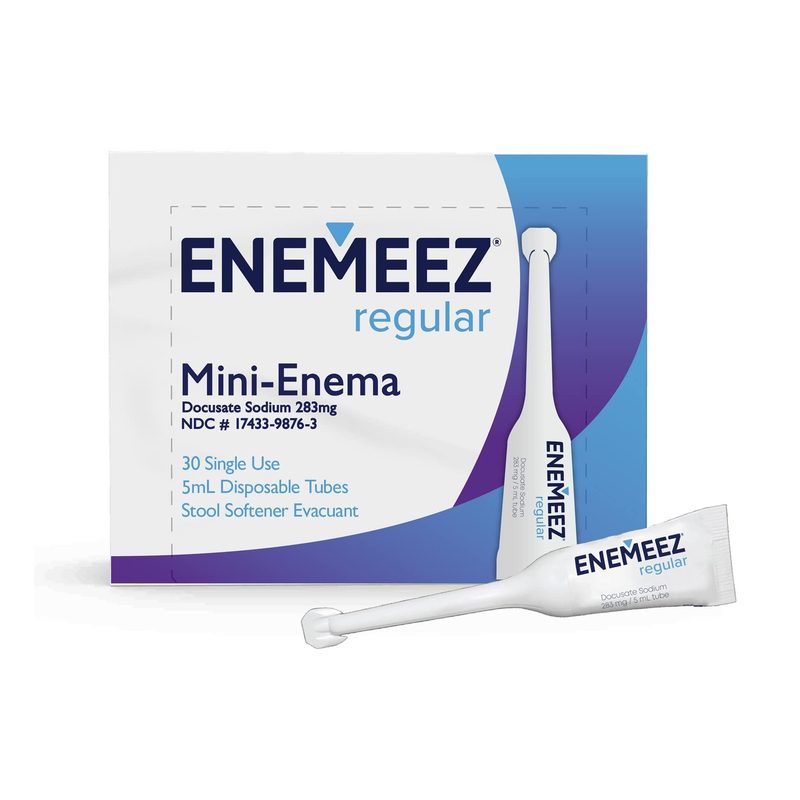
Enemeez / Enemeez Plus Mini-Enemas
Pre-filled mini-enemas — docusate sodium solution, inserted via small soft tip. Works within 5–15 minutes for many people. (A "Plus" version adds benzocaine, a local anesthetic — but note that topical anesthetics have not been shown to prevent autonomic dysreflexia during bowel care; the best trial found they can actually prolong the routine and worsen AD, so don't rely on them for AD control.) Many people find these more reliable, faster, and less messy than suppositories. Highly rated alternative or supplement to suppositories.
 For Long Programs
Peristeen Transanal Irrigation
A controlled rectal irrigation system — water is introduced into the rectum via a rectal catheter to flush the lower bowel. Well-studied in SCI (multiple RCTs). Can dramatically reduce program time and accident frequency. Particularly useful for people with long programs (>90 min), frequent accidents, or LMN bowel. Ask your SCI team about this — it's underused.
 Essential Tools
Suppository Inserters, Lubricant, Gloves
Often overlooked but essential. A suppository inserter allows placement without fingers (important for limited hand function) — my pick is the VWELL MaxComfort applicator, linked below. Latex-free nitrile gloves in bulk. Water-based lubricant (not petroleum-based — use K-Y or similar). Underpads (chux) for program. All available on Amazon.
 Commode Chair
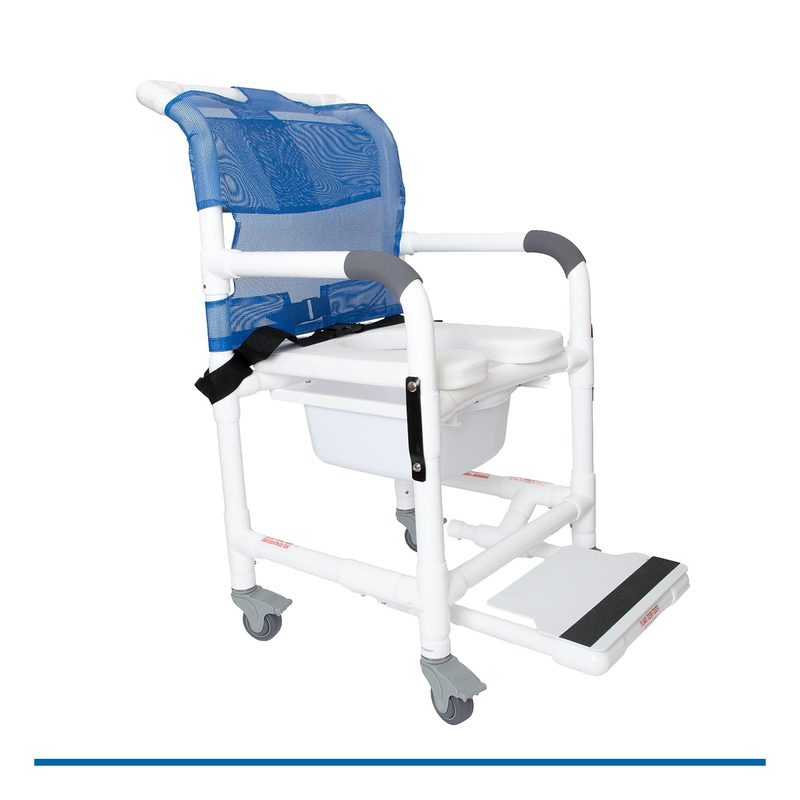
Shower/Commode Chair
Doing your bowel program on a proper commode chair (not in bed) is dramatically more effective — gravity is your friend. A 3-in-1 commode can sit over a toilet, be used as a standalone commode, or used in the shower. Key features: drop-down arms for transfers, appropriate width, padded seat for pressure protection. Essential for anyone who isn't doing their program over a toilet.
🩹Skin Care & Pressure Injury Prevention
Protecting your skin is one of the highest-impact health behaviors you have
Skin Care & Pressure Injury Prevention
Protecting your skin is one of the highest-impact health behaviors you have
 Essential
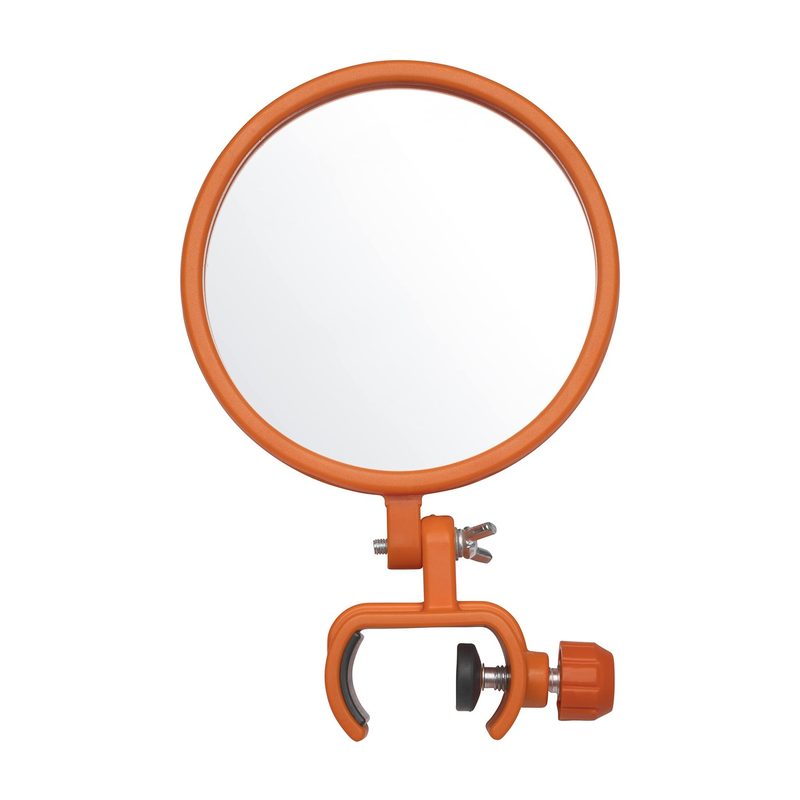
Inspection Mirror (Long-Handled)
Doing daily skin checks without one is nearly impossible for most people with SCI. You need to see your ischials, coccyx, heels, and any bony prominence you can't directly view. Long-handled flexible mirrors specifically designed for skin inspection are available on Amazon for under $20. This is non-negotiable.
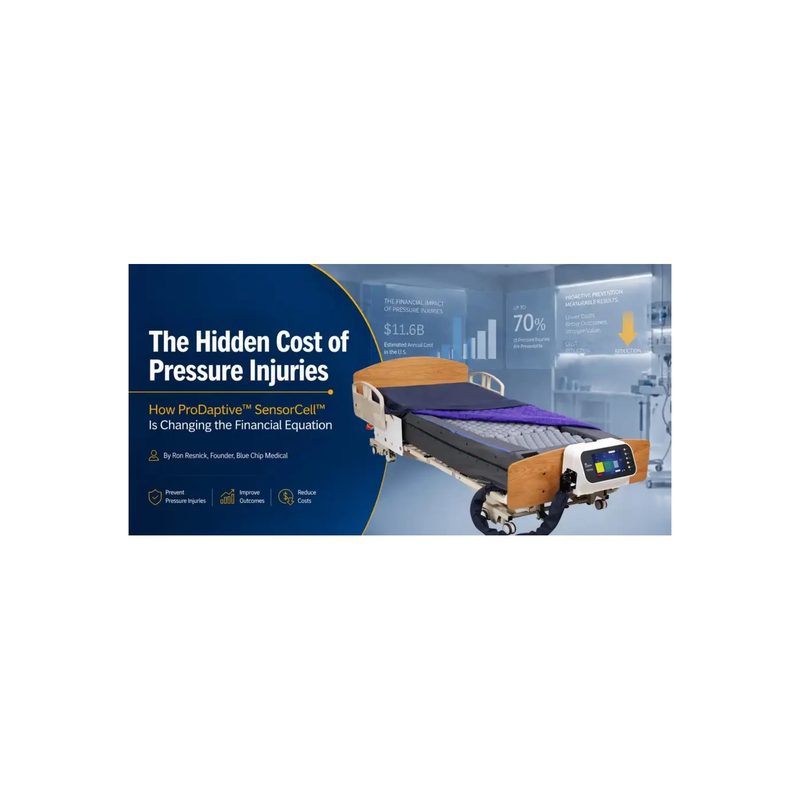 Essential — Bed
Alternating Pressure / Low Air Loss Mattress Overlay
For people at high pressure injury risk or spending extended time in bed. Alternating pressure overlays cycle air to prevent sustained pressure at any point. Low air loss systems additionally manage moisture. Not typically needed for healthy skin with good positioning, but critical for compromised skin or anyone with existing injuries.
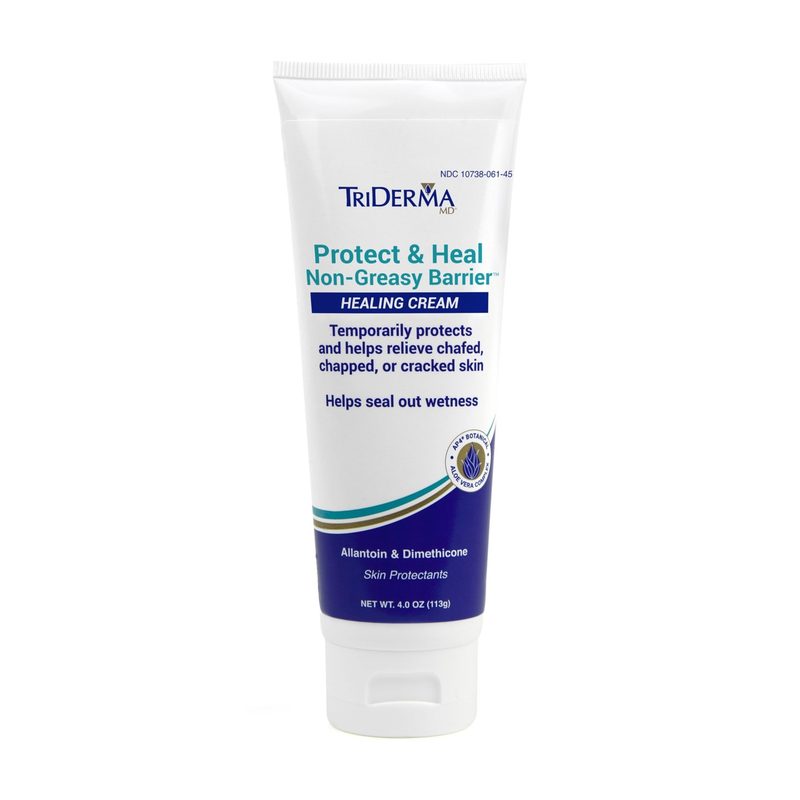 Daily Essentials
Skin Barrier Cream, Moisture Cream, Wound Care
Dry skin breaks down faster. Moisture barriers protect against incontinence-related skin breakdown. Key products: Aloe Vesta moisture barrier, Aquaphor for dry skin, Mepilex Border foam dressings for Stage I/II pressure injuries, Duoderm hydrocolloid for early-stage wounds. All available on Amazon or through Vitality Medical.
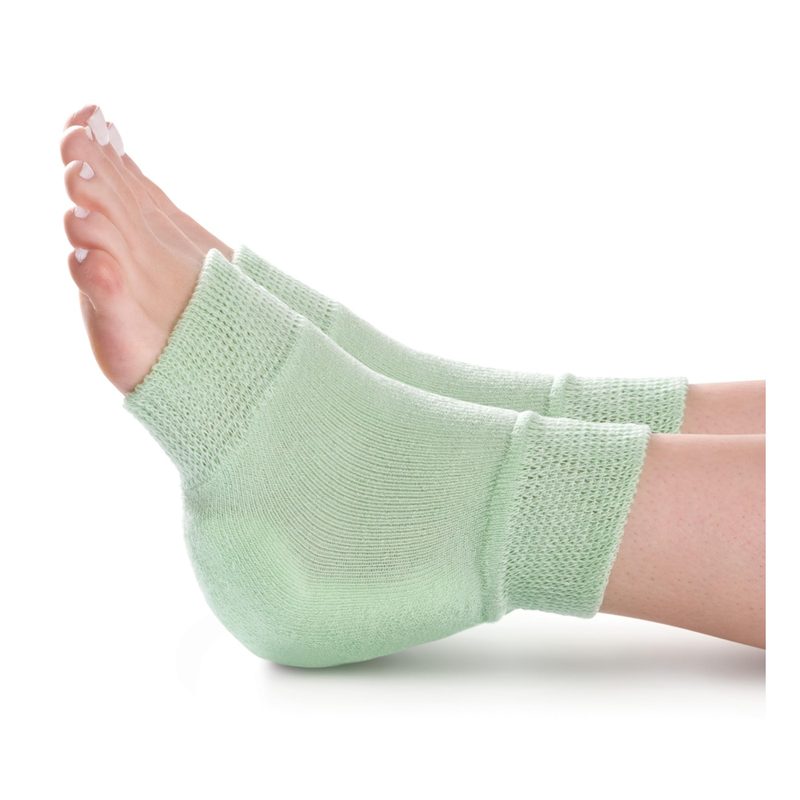 Heel Protection
Heel Protectors / Boots
Heels are a major pressure injury site for people who spend time in bed, especially in the acute phase. Foam heel cups or sheepskin heel protectors keep the heel off the mattress. Simple, cheap, and often the difference between a heel wound and no wound. Check your heels daily — SCI often means you can't feel early-stage pressure injuries there.
🫁Respiratory & Pulmonary
Clearing your lungs and protecting your breathing — critical for cervical injuries
Respiratory & Pulmonary
Clearing your lungs and protecting your breathing — critical for cervical injuries
Respiratory complications are a leading cause of hospitalization and death after SCI, especially with higher injuries where the muscles that power a strong cough are weakened. The goal: move secretions out, keep the lungs fully inflated, and catch infections early.
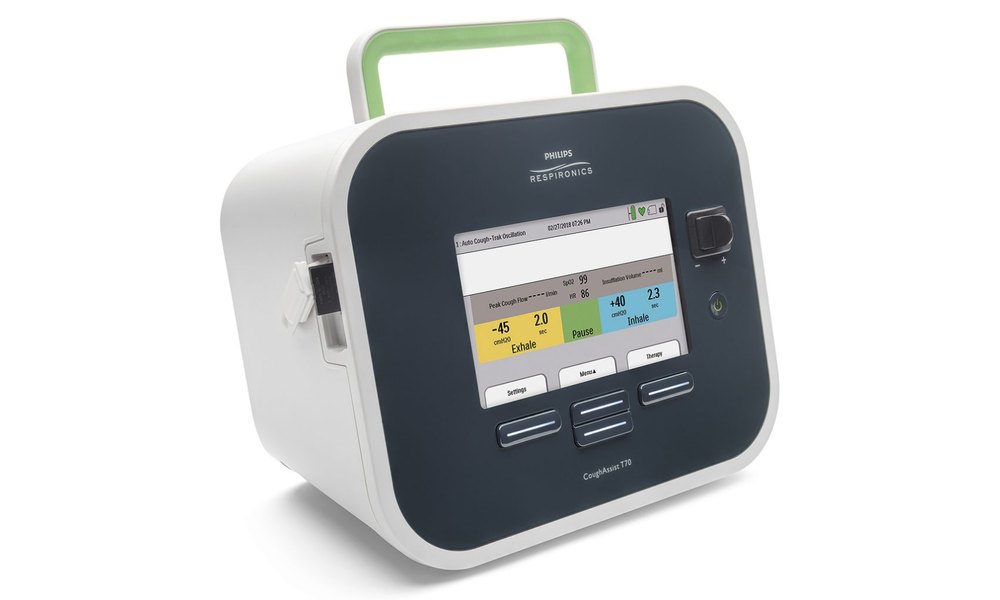 Cough Support
CoughAssist (Mechanical Insufflation-Exsufflation)
A cough machine that does what weakened abdominal muscles can’t: it pushes a deep breath in, then snaps to strong negative pressure that pulls mucus up and out — mimicking a real cough. The standard of care for clearing secretions and preventing pneumonia in higher-level SCI. The Philips CoughAssist E70/T70 is the common model.
 Secretion Clearance
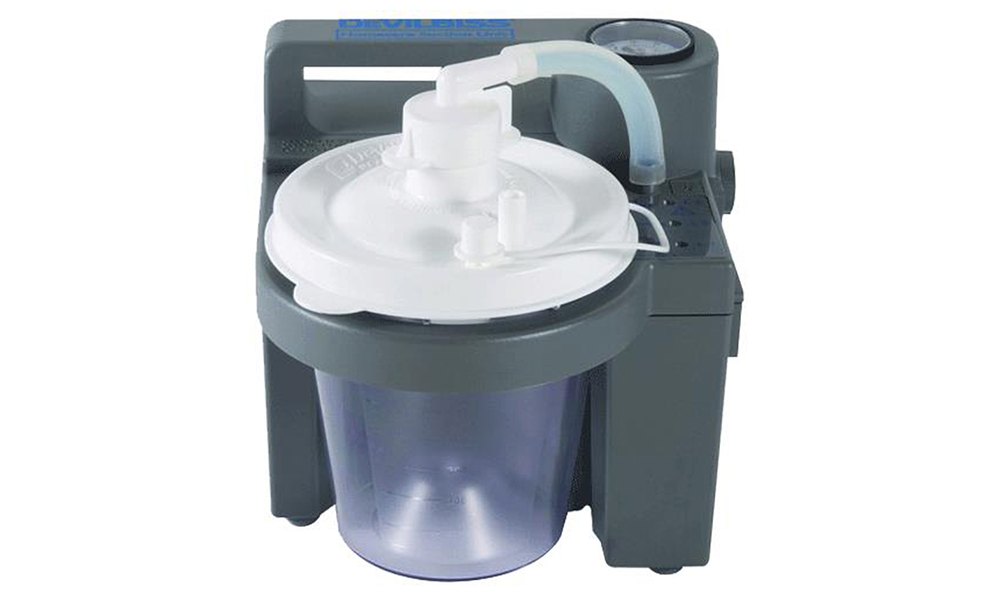
Portable Suction Machine
Suctions secretions you can’t clear yourself, through a Yankauer tip or catheter — essential backup for a weak cough or a trach. The DeVilbiss 7305 series is the most popular home unit: adjustable vacuum, collection jar, and a battery option for travel and power outages.
 Breathing Treatments
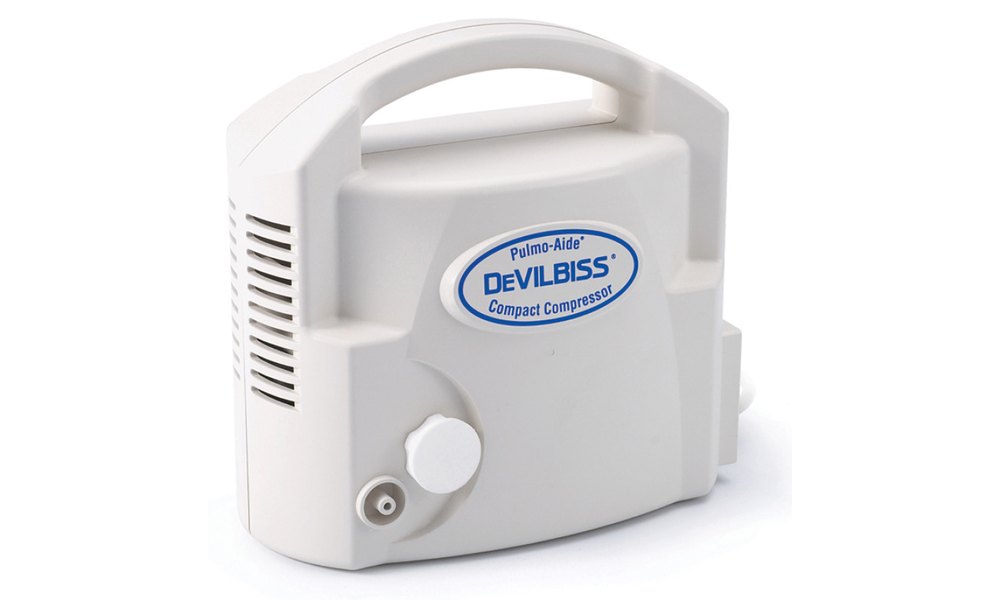
Nebulizer (Compressor)
Turns liquid medication — bronchodilators, mucolytics, or plain saline — into a mist you inhale to open airways and loosen secretions before coughing or suctioning. A compressor nebulizer like the DeVilbiss Pulmo-Aide is the reliable home standard.
 Cheap Win
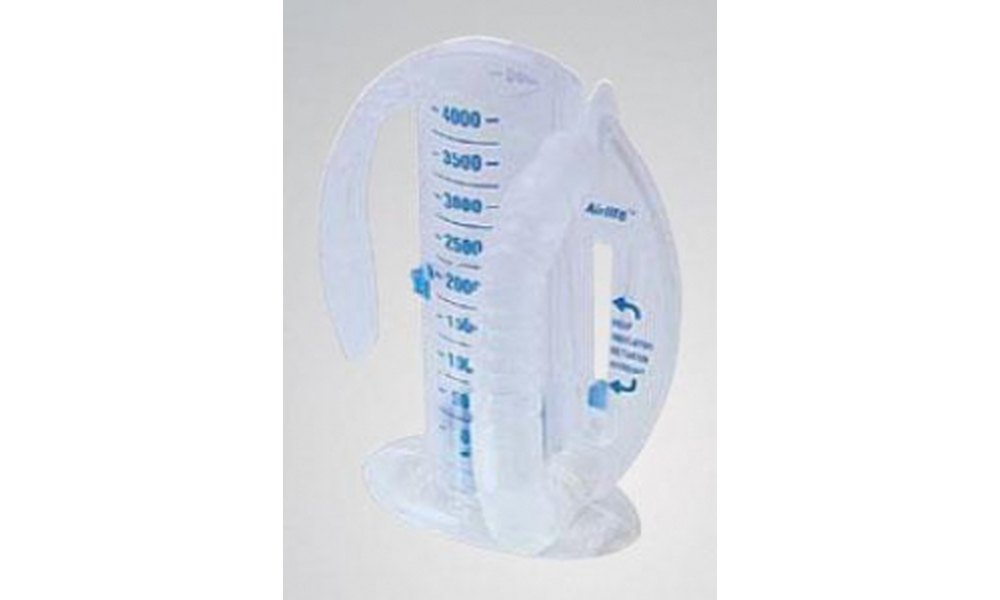
Incentive Spirometer & Breathing Trainer
A few-dollar device you inhale through to keep your lungs fully expanded and head off the small-airway collapse (atelectasis) that leads to pneumonia. Pair with an expiratory trainer like The Breather to strengthen your cough and voice. Used daily, it punches far above its price.
 Monitor
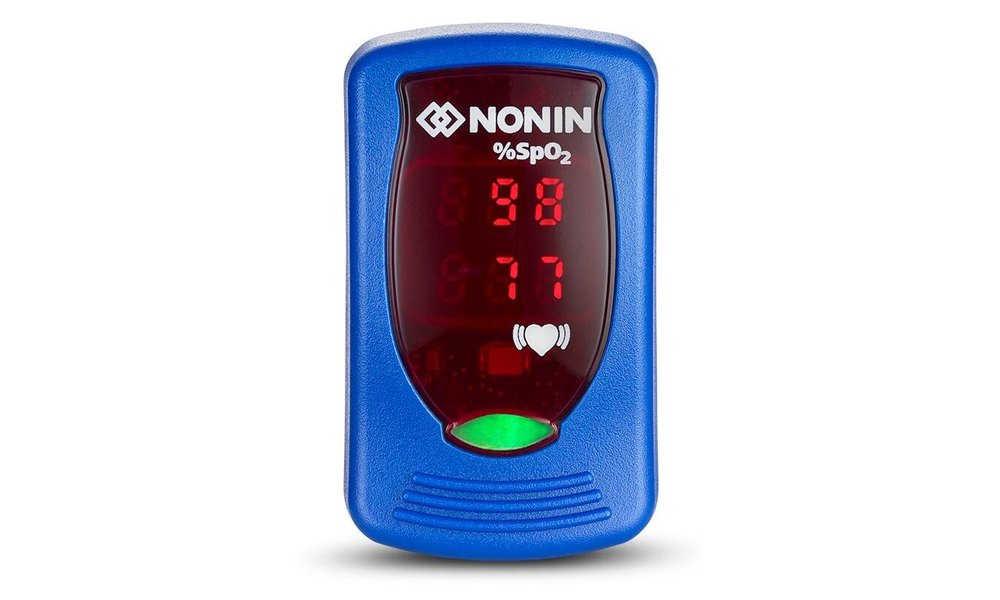
Pulse Oximeter
A fingertip clip that reads your blood-oxygen (SpO₂) and pulse in seconds. A cheap early-warning tool — a falling number can flag a developing chest infection before you feel the worst of it. Keep one at home and share readings with your provider.
🔋Backup Power
Keep a CPAP, ventilator, oxygen concentrator, or power chair running when the lights go out
Backup Power
Keep a CPAP, ventilator, oxygen concentrator, or power chair running when the lights go out
A power outage is a safety issue after SCI — losing a CPAP, ventilator, oxygen concentrator, or your power chair should not be left to chance. A portable power station (a large battery with normal wall outlets and a pure sine-wave inverter) bridges most home outages. Size it to your devices: add up the watts each one draws, then choose a battery with enough watt-hours to cover the hours you need. Most medical devices want a pure sine wave output.

Jackery Explorer 1000 v2
About 1,070 Wh with a 1,500 W pure sine-wave output — a versatile mid-size pick. Enough to run most CPAPs for several nights, bridge a daytime outage for an oxygen concentrator, or top up a power chair. Light enough to carry room to room.
EcoFlow Delta 2
About 1,024 Wh, 1,800 W pure sine, and very fast recharge (roughly 80% in under an hour). A good fit when you have higher-draw devices or want to refill quickly between outages; expandable with add-on batteries.
 Budget pick
Jackery Explorer 300 Plus
About 288 Wh and ~300 W — small, light, and affordable. A travel- and budget-friendly option to run a CPAP for roughly a night or keep phones, chargers, and small devices going. Easy to tuck in a bag.
Goal Zero Yeti PRO 4000
About 3,990 Wh with a 3,000 W output — a large unit for longer or higher-demand outages: ventilator-dependent users, or running respiratory gear plus a power chair together. Expandable and solar-ready.
🛏️Beds, Mattresses & Positioning
Where you spend the night matters — pressure relief, repositioning, and getting in and out safely
Beds, Mattresses & Positioning
Where you spend the night matters — pressure relief, repositioning, and getting in and out safely
You may spend more time in bed after SCI, and the bed is where many pressure injuries start. The right surface and positioning tools protect your skin, make repositioning and transfers possible, and help you sleep.
 Adjustable Base
Full-Electric Hospital Bed
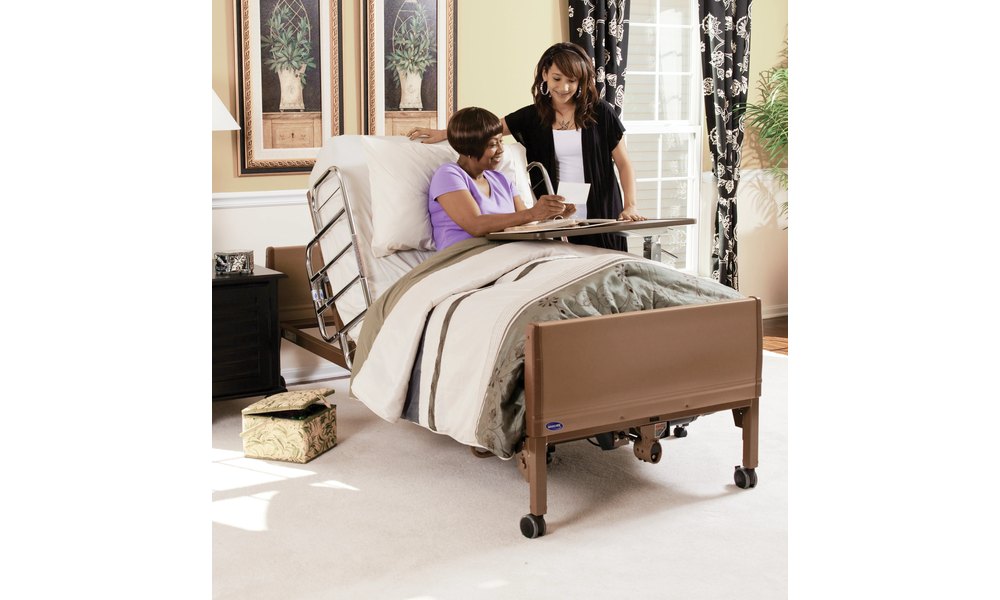
Powered head, foot, and height adjustment makes transfers, repositioning, and bowel/bladder care far safer — and lets a caregiver work without wrecking their back. Full-electric (vs. semi-electric) raises the whole bed to transfer height. The Invacare 5410IVC and Drive Medical full-electric beds are common home models, often covered with documentation.
 Pressure Injury Prevention
Alternating-Pressure / Low-Air-Loss Mattress
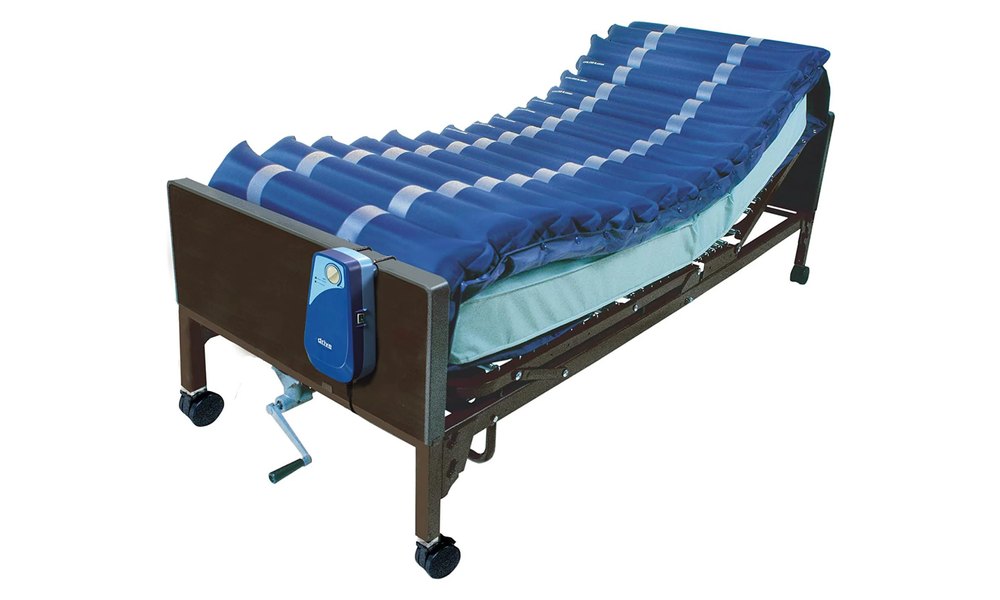
A powered mattress whose air cells inflate and deflate in cycles, constantly shifting where your weight rests so no spot bears pressure too long; low-air-loss versions also keep skin cool and dry. The step up from foam for higher pressure-injury risk or an existing wound. Invacare MA55/MA1000 and Protekt Aire are widely used.
 Budget Option
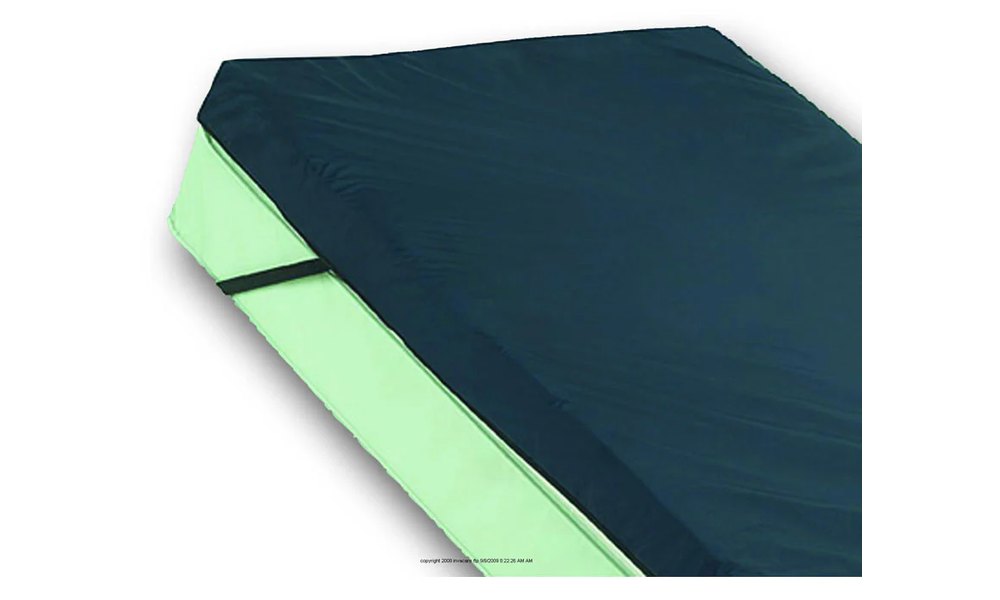
Pressure-Redistribution Foam Overlay
A high-density or gel-infused foam topper that improves pressure distribution on a standard or hospital mattress. A lower-cost first step for lower-risk skin, or a backup for travel — but not a substitute for a powered surface if your risk is high.
 Independence
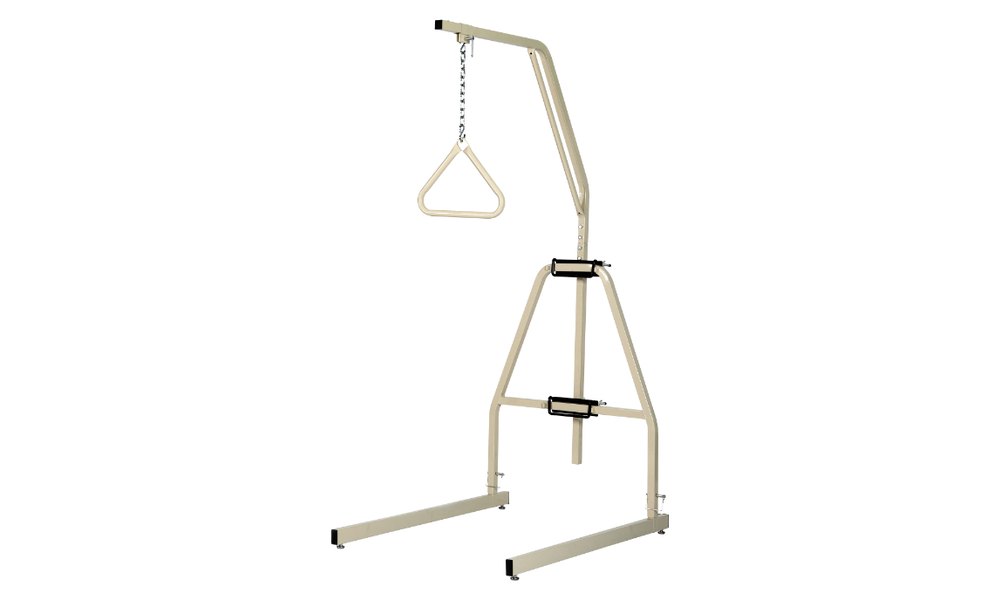
Overbed Trapeze Bar
A bar that hangs over the bed so you can pull yourself up to reposition, transfer, or sit — saving your shoulders and giving you independence. Mounts to the bed frame or a freestanding floor stand. Especially useful with decent upper-body strength.
 Cheap Win
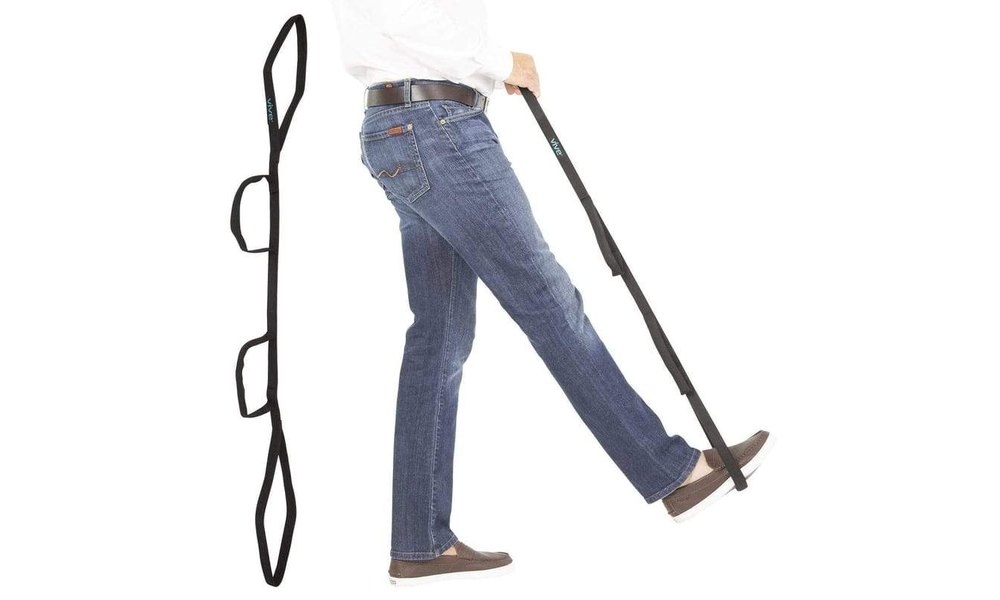
Leg Lifter Strap
A stiffened strap with hand and foot loops that lets you lift a paralyzed or weak leg into bed — or reposition it — using your arms. A few dollars, and a daily back-saver for getting legs onto the bed or footplates.
 Safety
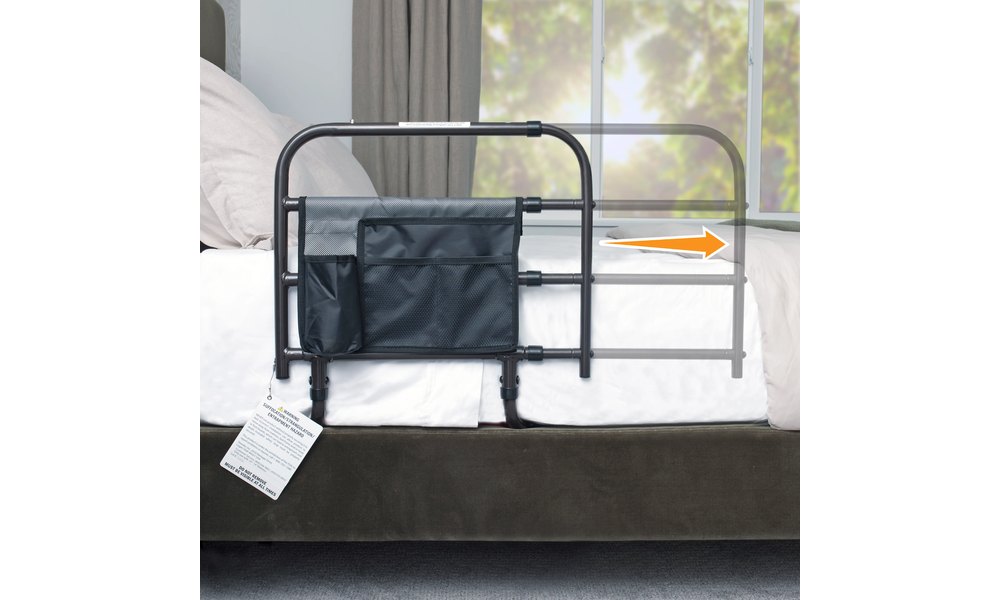
Bed Assist Rail
A rail that mounts at the bedside to help you turn, sit up, and transfer — and to keep you from rolling out. Lighter and less institutional than full side rails, and many fold down or include a storage pouch.
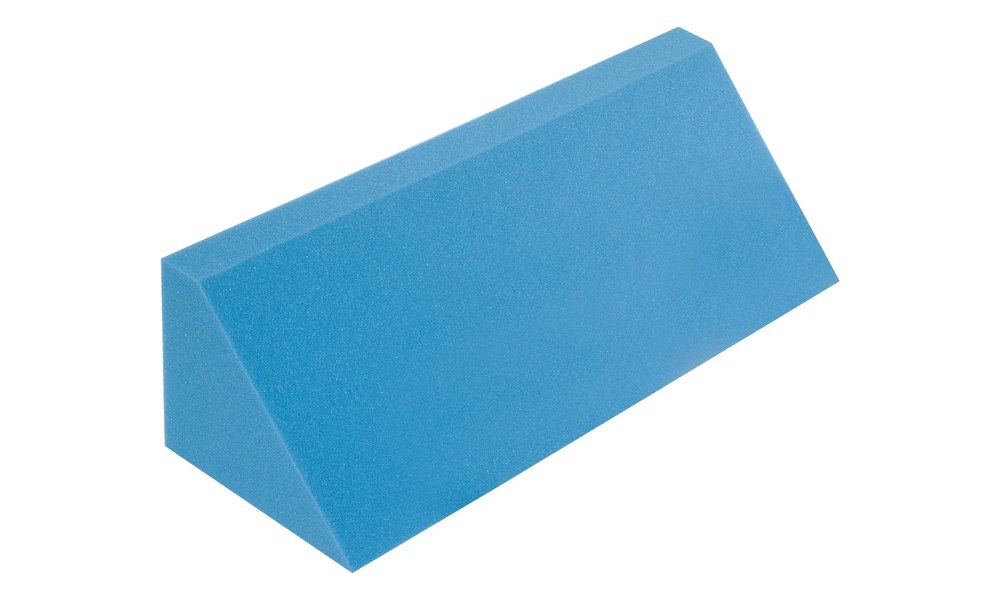 Positioning
Positioning Wedges & Pillows
Foam wedges, between-the-knee pillows, and elevation cushions hold you in a side-lying or offloaded position so pressure stays off the sacrum and bony prominences — and help discourage contractures. Simple, cheap, and used every night.
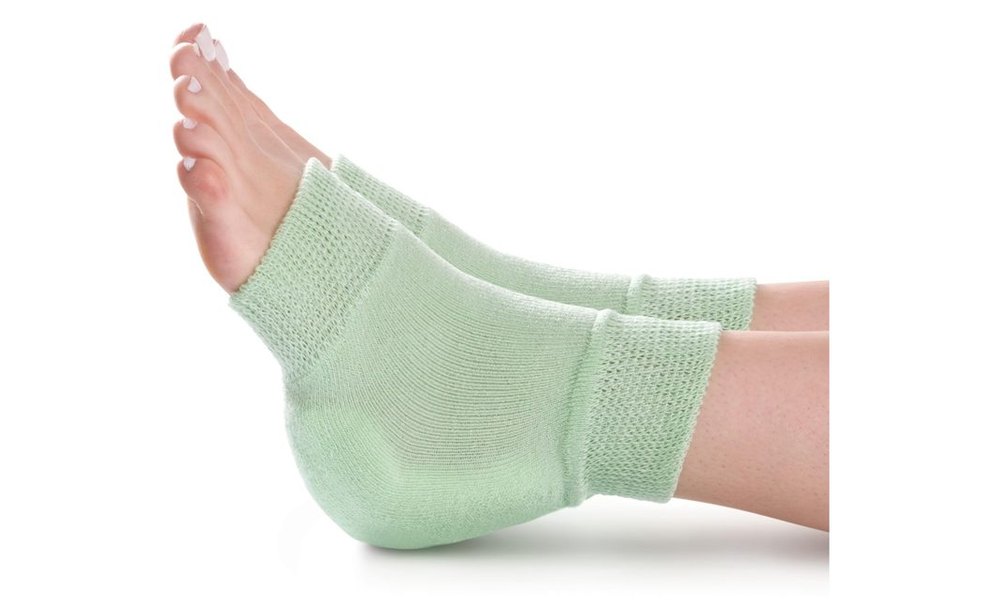 Skin Protection
Heel-Protector Boots
Padded boots that “float” the heels completely off the bed. The heel is a top site for pressure injuries and one of the hardest to heal — cheap insurance for anyone on bedrest or with poor sensation in the legs.
🌡️Circulation, Blood Pressure & Temperature
Low blood pressure, swelling, clots, and a body that can’t regulate its own temperature
Circulation, Blood Pressure & Temperature
Low blood pressure, swelling, clots, and a body that can’t regulate its own temperature
Below your level of injury, your body loses some of its automatic control of blood vessels and temperature. That shows up as blood pooling when you sit up (orthostatic hypotension), leg swelling, clot risk (DVT), and trouble staying cool or warm. A few low-tech items make a real difference.
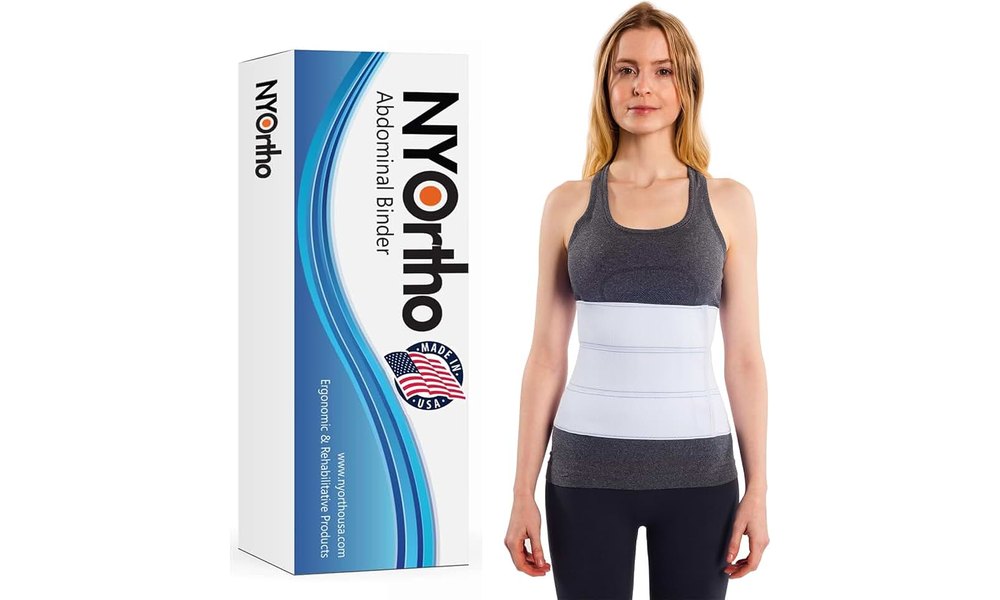 Blood Pressure
Abdominal Binder
An elastic wrap around the abdomen that reduces blood pooling in the belly when you sit up — one of the simplest, best-studied tools for the dizziness and grey-outs of orthostatic hypotension after SCI. Bonus: it also improves your breathing and cough. Put it on before getting up.
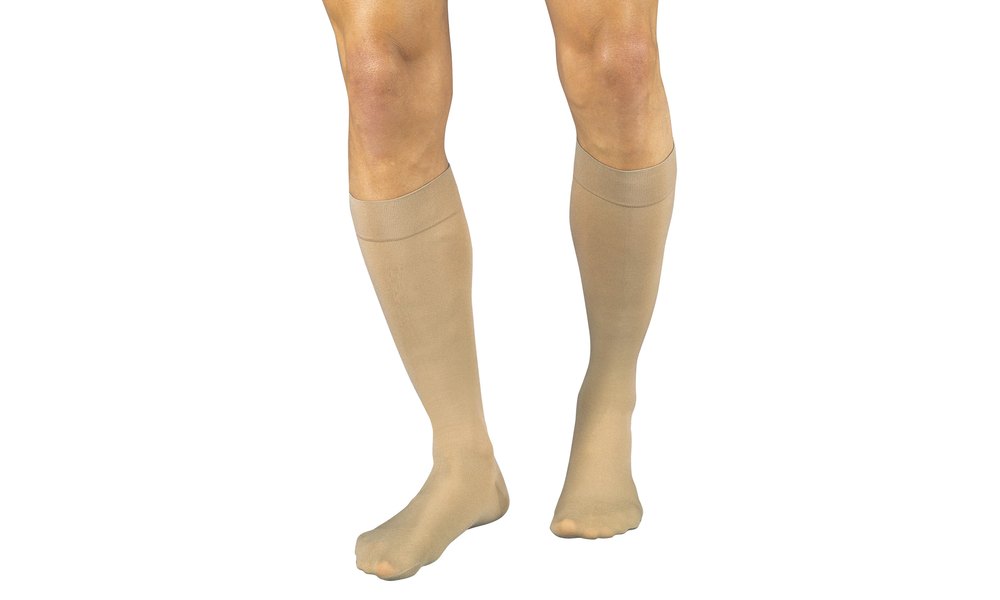 Circulation & DVT
Graduated Compression Stockings (TED Hose)
Medical stockings that squeeze the legs to push blood back up, helping both the low blood pressure you feel on sitting and the leg swelling and clot (DVT) risk that runs high after SCI. Graduated medical-grade (15–20 or 20–30 mmHg) works better than drugstore socks — get sized.
 Stay Cool
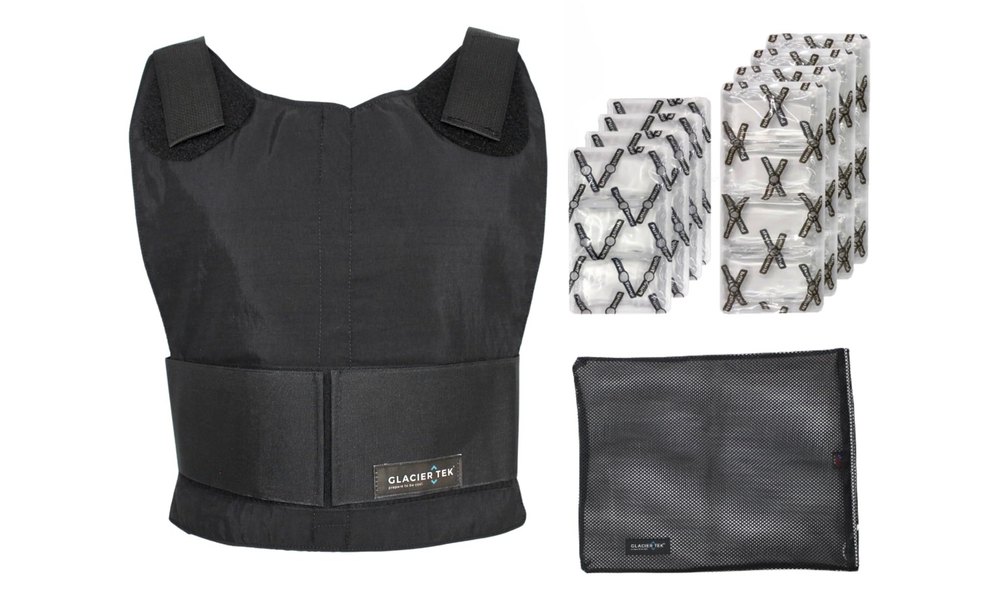
Cooling Vest
Below your injury you may not sweat, so your core can overheat fast in warm weather — a genuine safety risk. A phase-change cooling vest holds a steady cool (not ice-cold) temperature for hours. Glacier Tek (RPCM) and Polar Products Kool Max are the go-to brands for wheelchair users and people with MS.
 Targeted Cooling
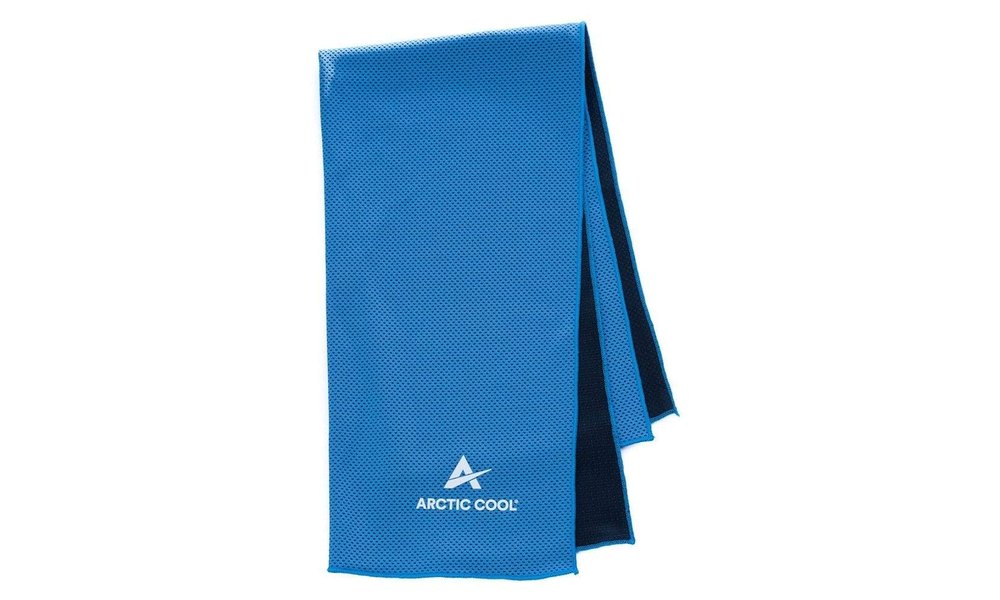
Cooling Neck Wraps & Towels
If a full vest is more than you need, neck wraps, wrist wraps, and evaporative cooling towels cool the blood at major vessels and cost a few dollars. Stage a few in the fridge or a cooler for hot days, hot-car transfers, and outdoor events.
 Stay Warm
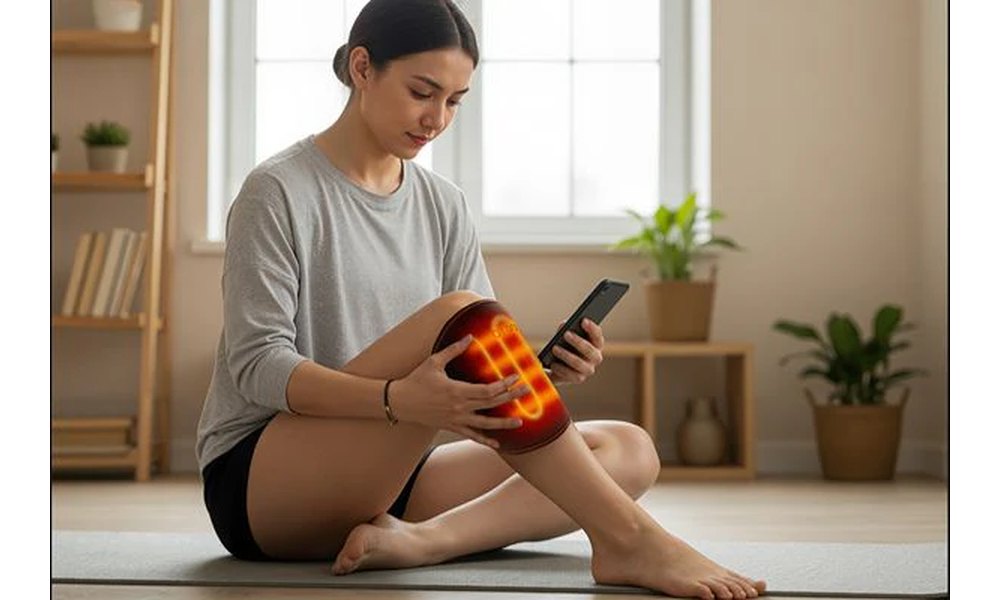
Heated Vest & Warming Layers
The lost temperature control cuts both ways — you can get dangerously cold without feeling it. Battery-heated vests, gloves, and lap blankets plus easy layering help in winter. Keep heat sources off bare skin below your level, and check for redness.
⚡Pain-Relief Devices
Drug-free tools for nerve pain, spasticity, and sore shoulders
Pain-Relief Devices
Drug-free tools for nerve pain, spasticity, and sore shoulders
Alongside the medication options in the Pain & Nerve Pain guide, several devices help with musculoskeletal pain, spasticity, and the overused-shoulder aches that come with wheelchair life. Most are inexpensive and worth a trial.
 Drug-Free
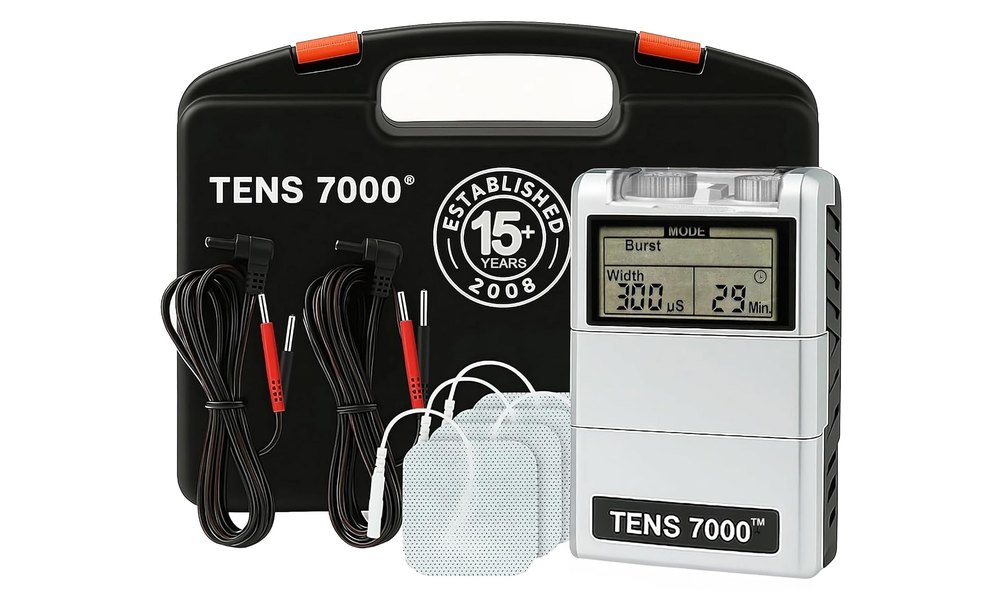
TENS Unit
Transcutaneous electrical nerve stimulation sends mild current through skin pads to dial down pain signals. It works best for musculoskeletal and at-level pain (shoulders, neck, back); place pads where you have sensation. Cheap and drug-free — worth trying, though it’s less reliable for central, below-level neuropathic pain.
 Spasticity & Aches
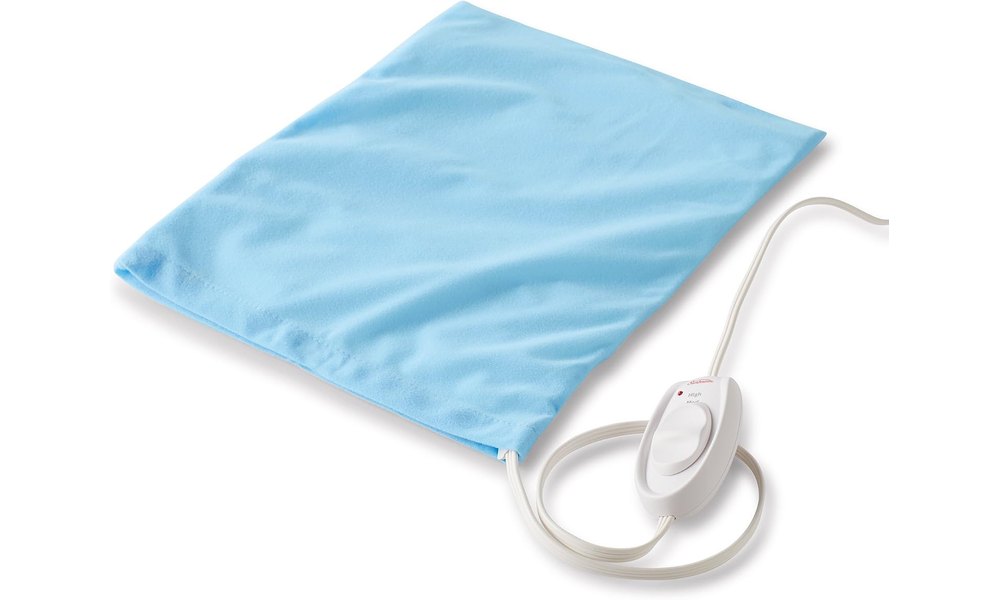
Heating Pad (Auto Shut-Off)
Heat eases spasticity and muscle aches — many people find a warm shower or heating pad above the level of injury more helpful than expected. Choose models with auto shut-off, and keep heat off skin you can’t feel.
 Shoulder Care
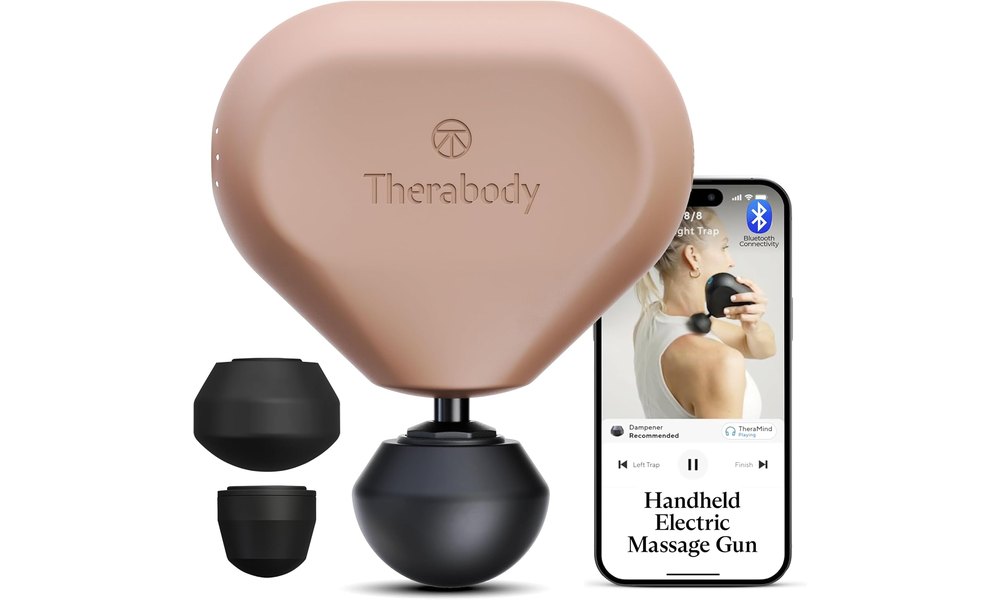
Percussive Massage Gun & Foam Roller
Percussive massage guns and foam rollers help the overused-shoulder, neck, and upper-back pain that’s almost universal among manual wheelchair users. A few minutes can loosen the muscles that propulsion and transfers beat up daily.
 Implanted / Medical
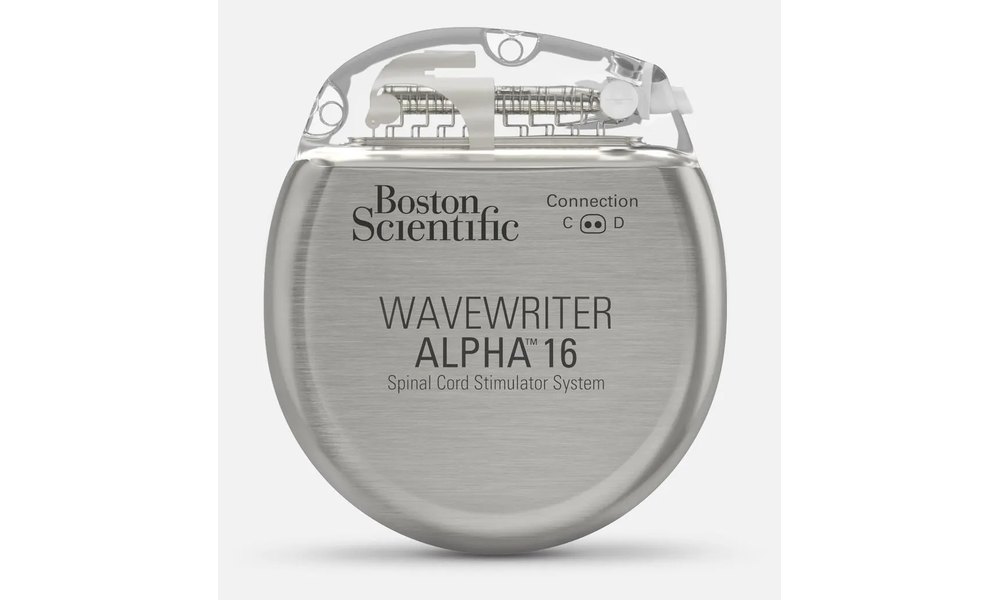
Spinal Cord Stimulator (SCS)
Not a consumer gadget — an implanted device that delivers current to the spinal cord to modulate refractory pain, placed by a pain specialist after a trial. Worth a conversation when drugs and the tools above fall short. See the stimulators and pain articles.
↔️Transfer Equipment
Making transfers safer, easier, and less damaging to your shoulders
Transfer Equipment
Making transfers safer, easier, and less damaging to your shoulders
→ Full comparison: Best Transfer Boards (Slide Boards) — Beasy no-friction glide vs curved car boards vs plastic vs wood, and skin-shear safety.
 Most Used
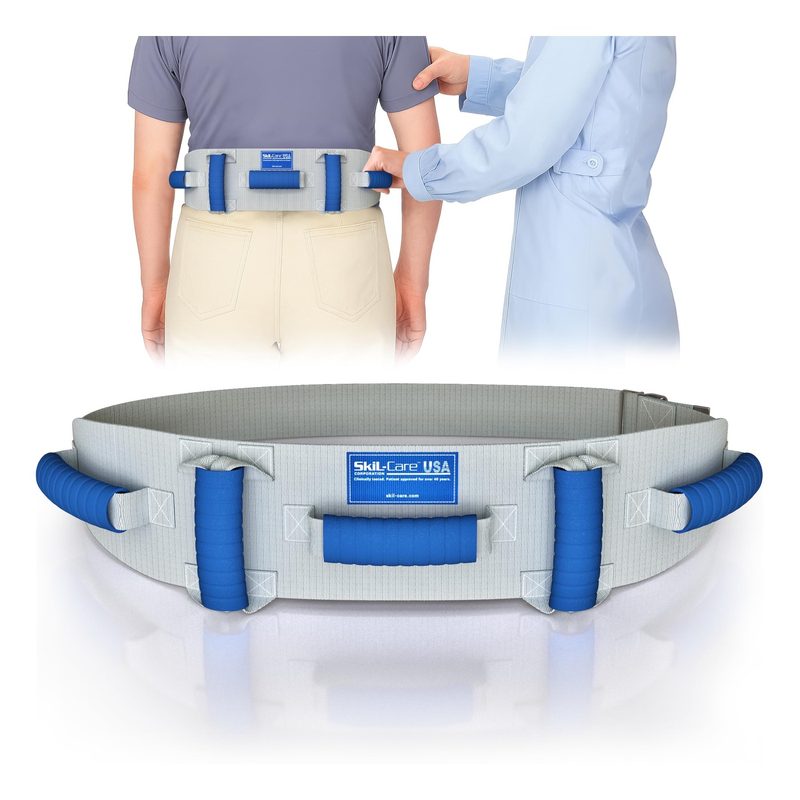
Transfer / Sliding Boards
Rigid boards that bridge the gap between surfaces for lateral transfers. Key features: length (longer bridges bigger gaps), surface coating (slicker = easier but requires more control), notch design (easier to grip). Beasy Trans board is a community favorite — the rotating disc dramatically reduces friction and lateral force. Plain polished boards (Maddak, etc.) for straightforward transfers.
 For Caregivers
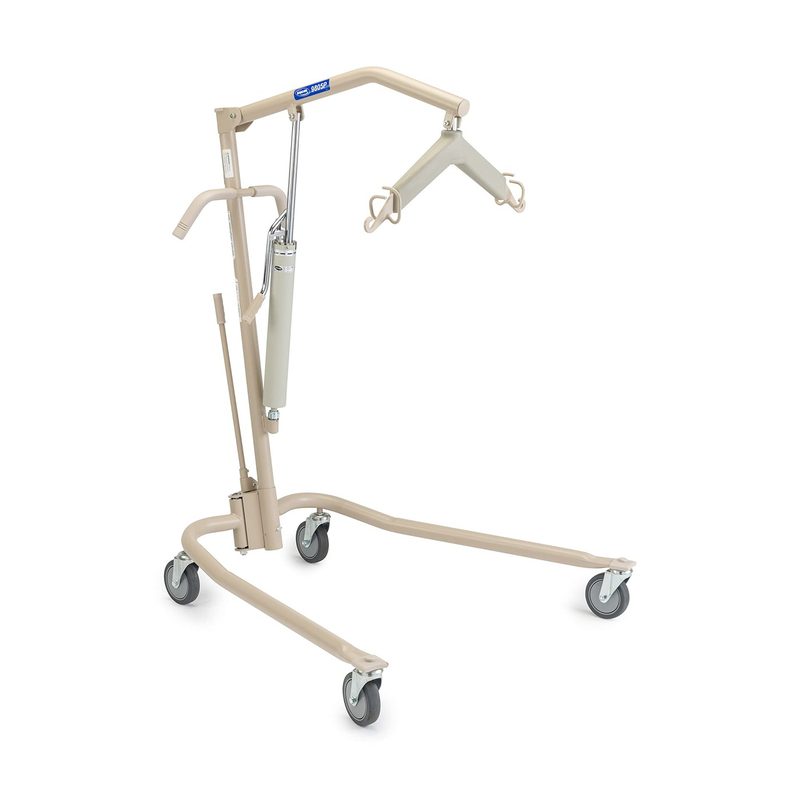
Patient Lifts (Hoyer Lifts)
For people who cannot perform lateral transfers and require full lift assistance. Floor lifts (Hoyer-style) are the most common. Ceiling track lifts are more convenient for regular use but require home installation. Sling type matters enormously — U-slings for transfers, hygiene slings for toileting. Covered by insurance with appropriate documentation.
 Shoulder Protection
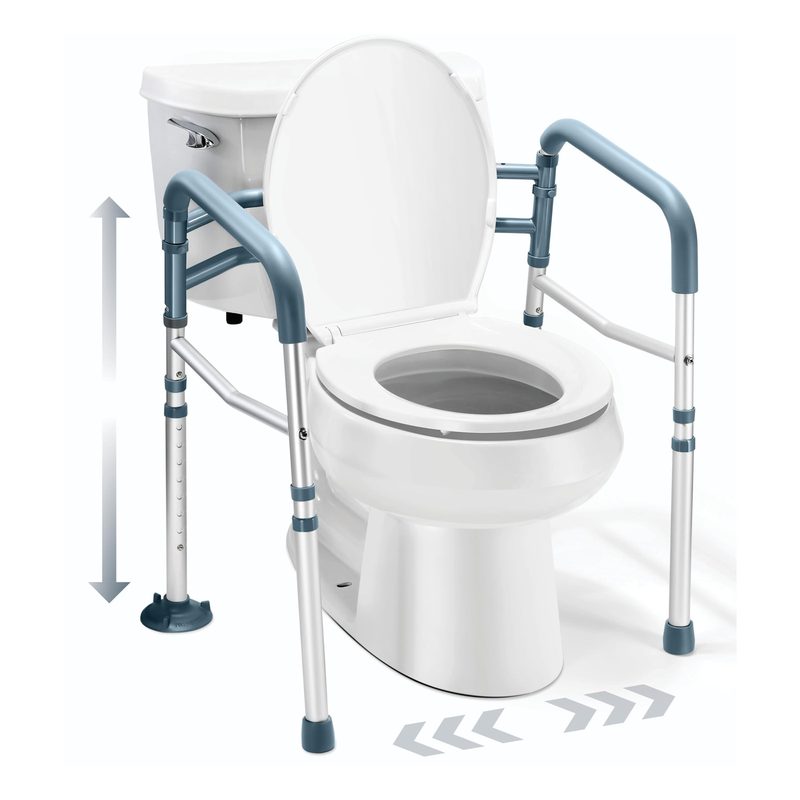
Transfer Assist Handles & Grab Bars
Properly placed grab bars at transfer height make every transfer safer and easier. StrongArm transfer handle mounts to a bed frame for a stable push point. Toilet safety rails provide push-up points for toilet transfers. Suction cup grab bars for travel. These are inexpensive quality-of-life improvements that pay off every day.
🚿Bathroom & Bathing Equipment
Making the bathroom safe, accessible, and functional
Bathroom & Bathing Equipment
Making the bathroom safe, accessible, and functional
→ Full comparison: Best Shower & Commode Chairs — RAZ vs Nuprodx vs ShowerBuddy vs Aquatec, tilt, doorway/toilet fit, and funding.
 Underrated Game-Changer
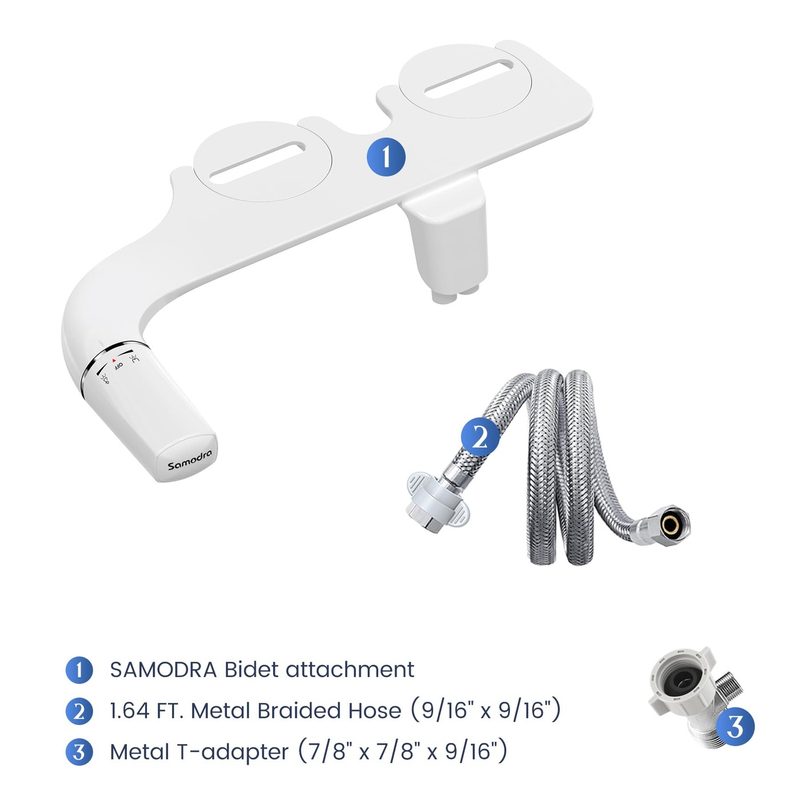
Bidet Attachment / Washlet
One of the highest-impact, lowest-cost additions for anyone managing bowel and bladder care — and almost nobody puts it on an equipment list. A bidet attachment cleans you with water instead of relying on wiping, which protects fragile skin, reduces UTI risk, and adds real independence. Non-electric clamp-on models start around $40; warm-water and remote-control washlets add comfort and easier reach. Look for a side-arm control if hand function is limited.
 Most Important
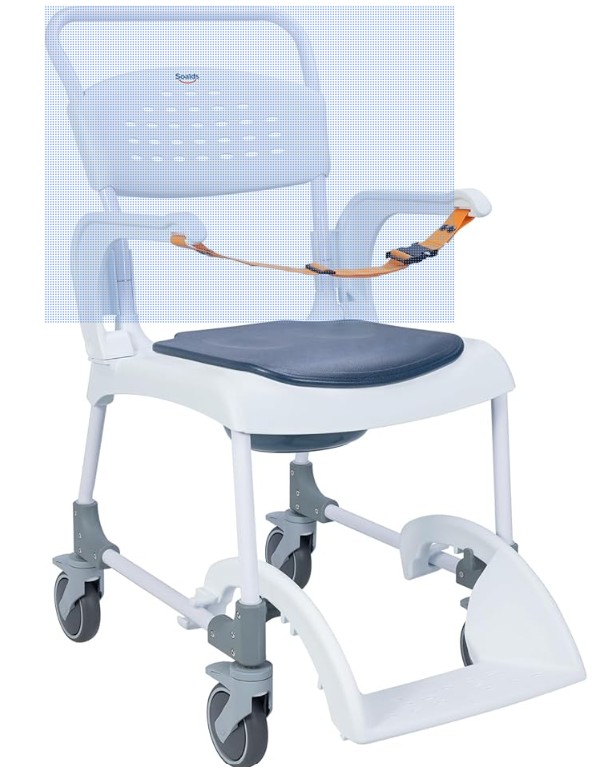
Shower/Commode Wheelchair (Roll-in Chair)
For people who can roll directly into a roll-in shower: a shower/commode chair on wheels is the most functional option — it does double duty as a commode and shower chair. Key features: drop-down or swing-away arms for transfers, padded seat, appropriate width, rust-resistant frame, commode opening for bowel program use. Tilt-in-space versions available for higher-level injuries.
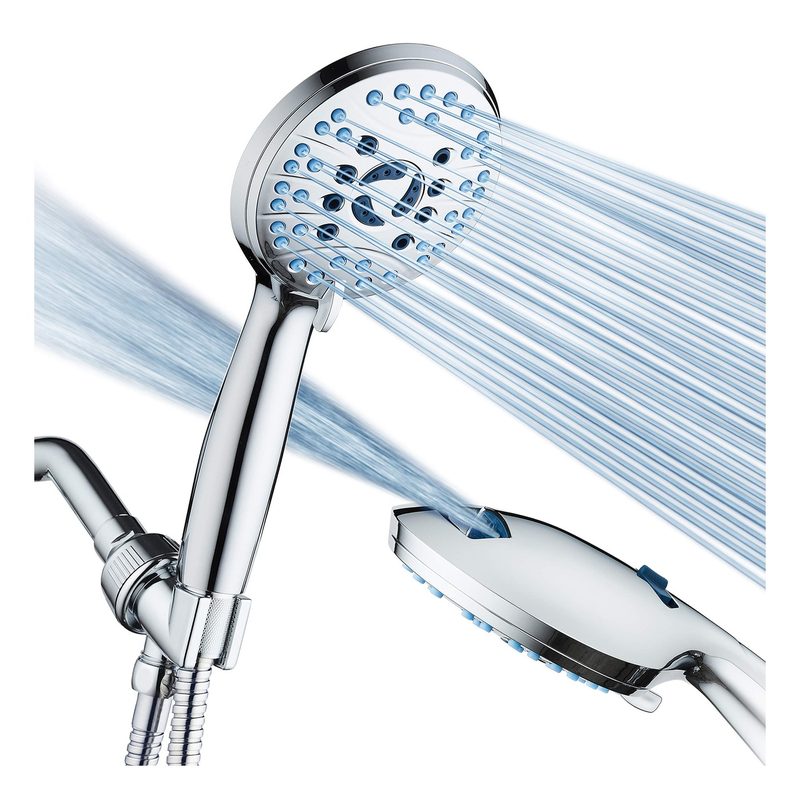 Handheld Shower
Handheld Showerhead with Long Hose
A fixed showerhead is nearly useless from a seated position. A handheld showerhead with a 6-foot hose mounted at reachable height is the standard setup. Look for a holder at chair height plus a high wall-mounted holder for flexibility. Moen and Delta both make quality accessible-design options. A diverter valve lets you keep your existing shower head too.
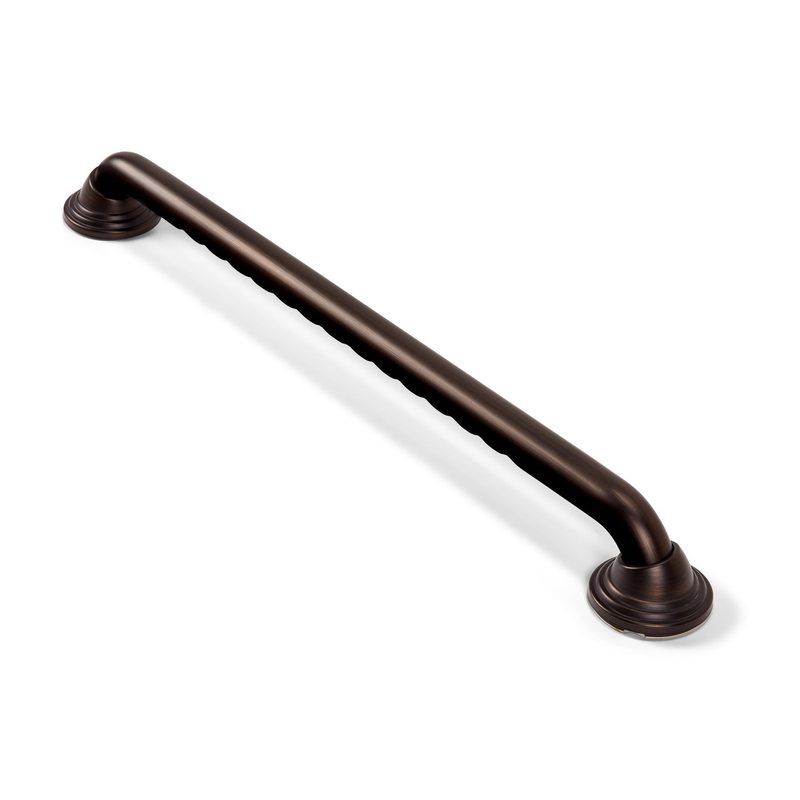 Grab Bars
Grab Bars (Permanent Mount)
Properly placed, properly mounted grab bars are essential. They must be anchored into studs or with toggle bolts rated for the load — suction cup grab bars are decorative at best and dangerous in a real transfer situation. Standard placement: beside toilet (one horizontal, one angled), in shower at entry and at sitting height. ADA-compliant 1.25–1.5" diameter stainless steel bars are inexpensive.
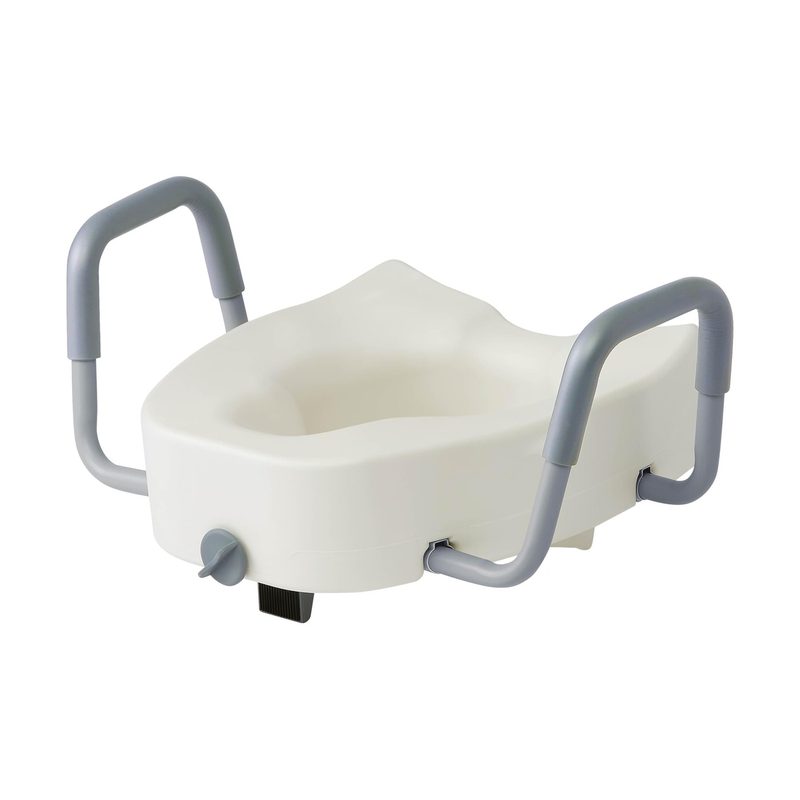 Raised Toilet
Raised Toilet Seat / Toilet Safety Frame
A raised toilet seat (4–6") combined with a safety frame for push-up points makes toilet transfers dramatically easier — less distance to lower and raise. Locking raised seats that secure to the toilet bowl are safer than non-locking. Medline raised toilet seats with arms are a consistent community recommendation for accessible bathrooms.
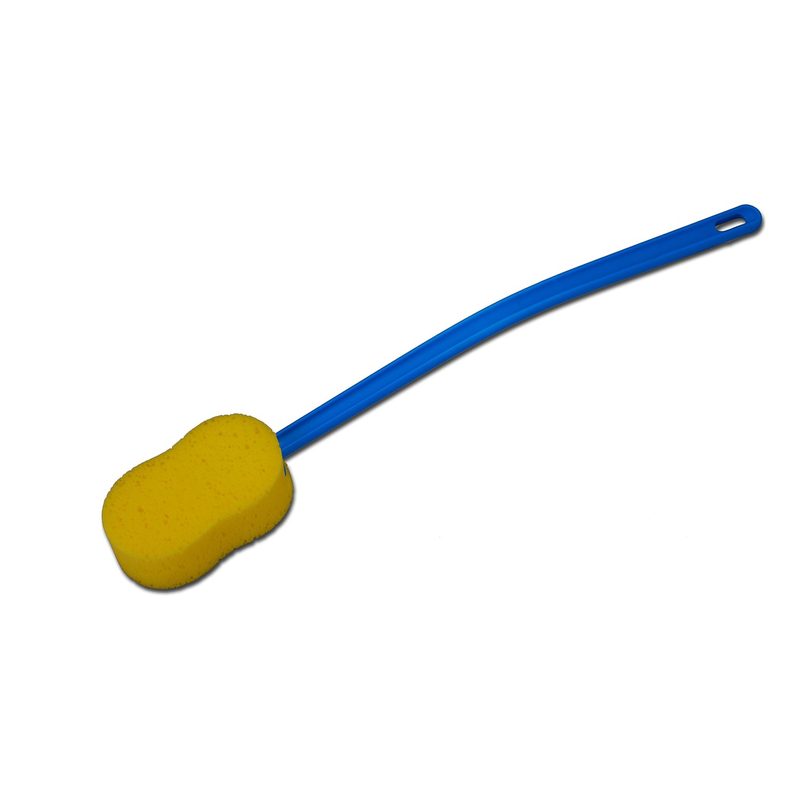 Long-Handled Tools
Long-Handled Sponge, Bath Brush, Reacher
For washing feet, back, and areas out of reach from a seated position. Long-handled sponges and back brushes extend reach significantly. A bath/shower reacher helps with dropped items. Maddak (Ableware) makes quality adaptive bathroom tools. Most available on Amazon for under $20.
🚪Home Access: Ramps, Lifts & Door Openers
Getting into your home, between rooms, and through doors — without help
Home Access: Ramps, Lifts & Door Openers
Getting into your home, between rooms, and through doors — without help
A home you can’t get into or move around in is the biggest daily barrier after SCI. These range from a $40 threshold ramp to installed lifts — and many qualify for Medicaid HCBS waivers, Vocational Rehab, or grants (see Funding) before you pay out of pocket.
 Quick Access
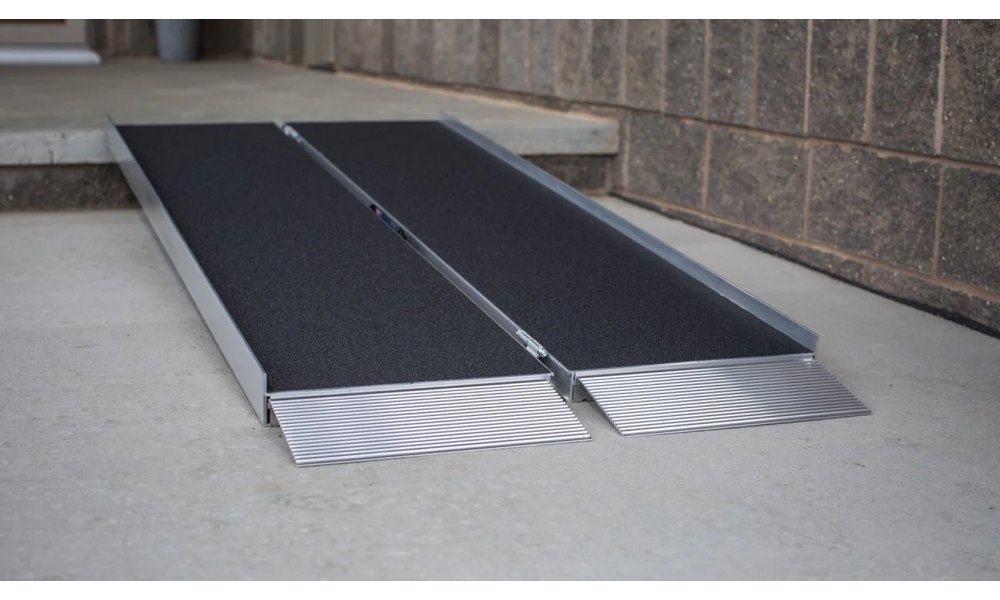
Threshold & Portable Ramps
Rubber or aluminum threshold ramps smooth the bump at doorways, sliding-door tracks, and single steps; folding “suitcase” ramps ride in the car for the ramps you meet out in the world. EZ-ACCESS is the leading US brand — its TRANSITIONS modular threshold ramps handle 1–6″ rises. Cheap, no install, huge daily payoff.
 Entrances
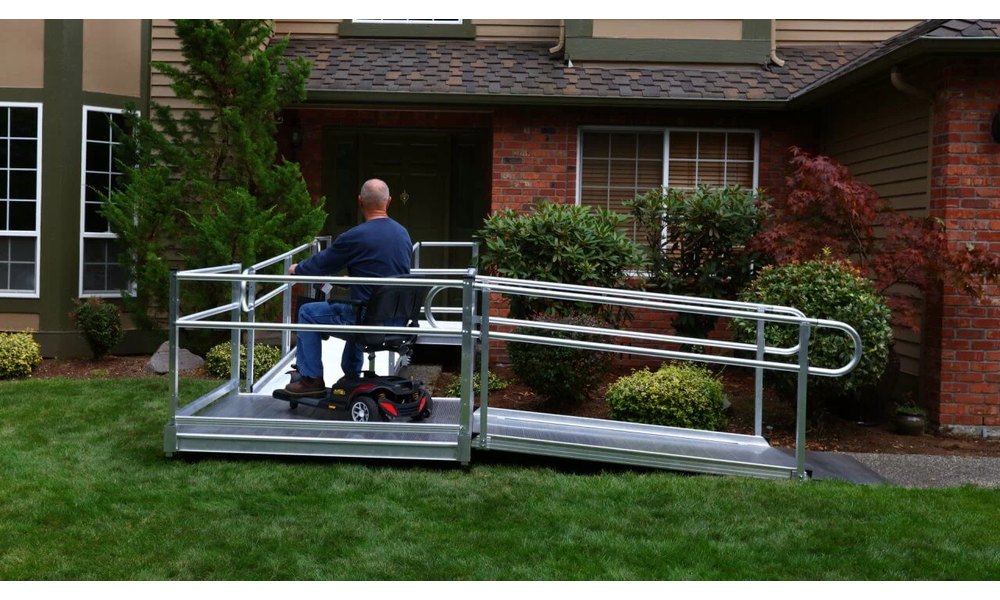
Modular & Solid-Surface Entry Ramps
For porch or entry steps, modular aluminum ramp systems install fast (often without permits) and can be reconfigured or removed later — far cheaper than pouring concrete. Follow the ADA 1:12 rule (one foot of ramp per inch of rise) so it’s actually usable and safe.
 Bigger Rises
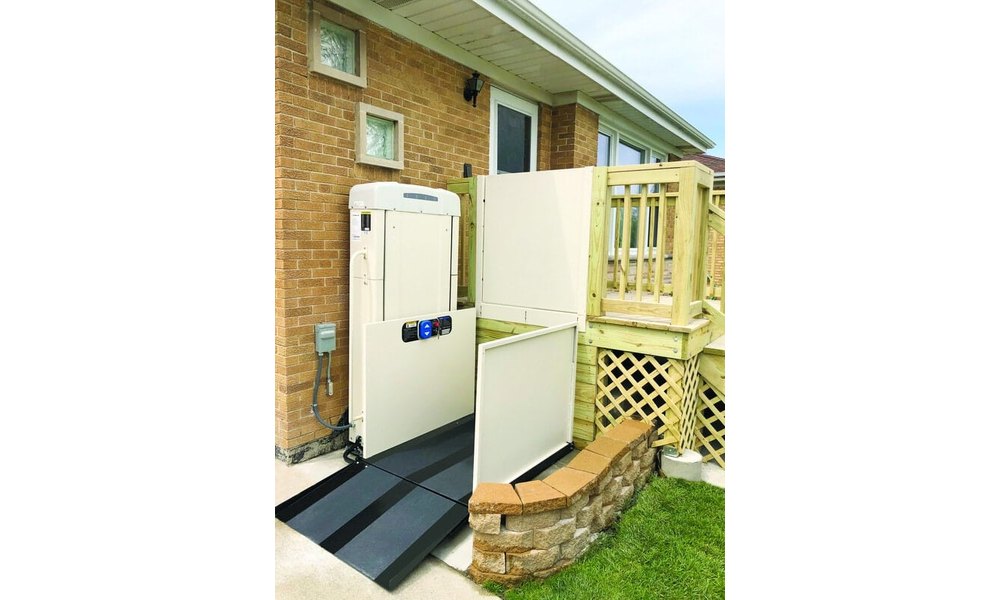
Vertical Platform Lift (Porch Lift)
When a ramp would be impractically long (more than ~2–3 steps), a vertical platform lift carries you and the chair straight up to porch or deck height. Harmar and Bruno are major brands — freestanding or permanent, indoor or outdoor, and frequently waiver- or grant-eligible.
 Stairs
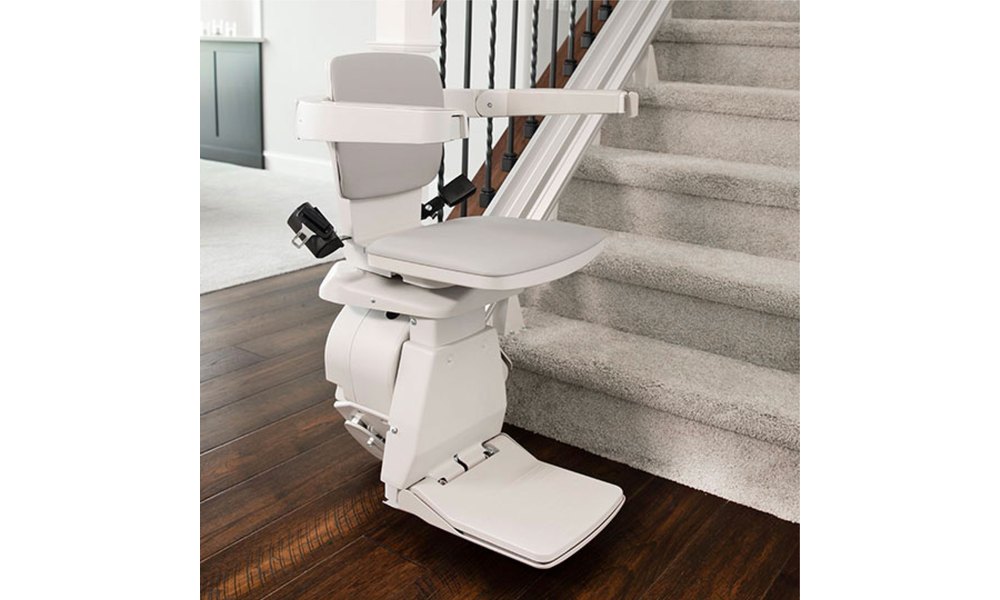
Stair Lift & Inclined Platform Lift
For interior stairs, a seated stair lift works if you can transfer; an inclined platform lift carries the wheelchair itself. Bruno and Harmar lead the market. Worth a professional in-home assessment to get the rail and platform right.
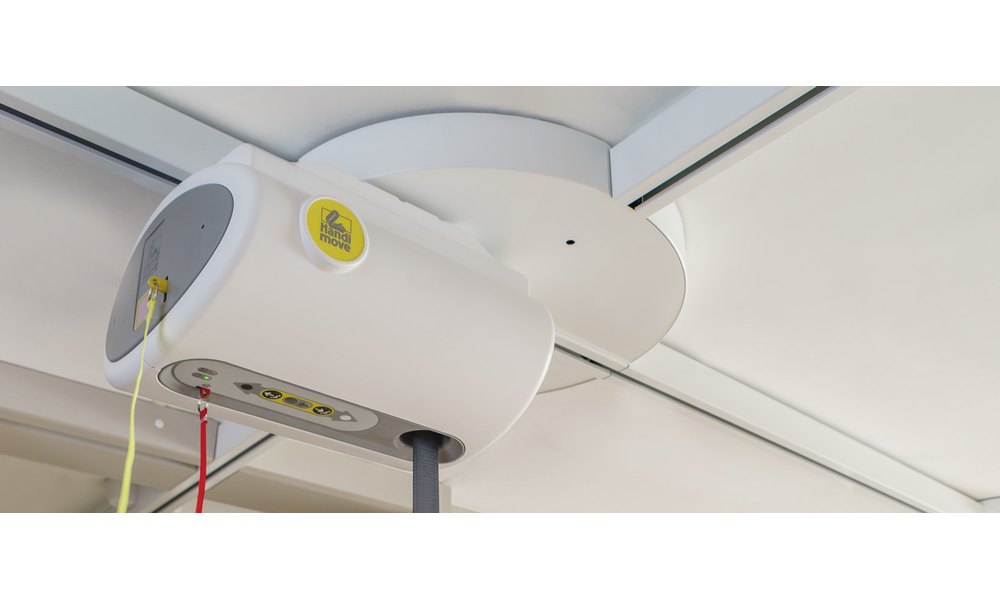 Transfers Anywhere
Ceiling Track / Overhead Lift
A track mounted to the ceiling glides you between bed, chair, bathroom, and tub with minimal caregiver strain and no floor footprint — unlike a Hoyer floor lift (see Transfers). Room-to-room and whole-home systems exist, and it’s a game-changer for dependent transfers.
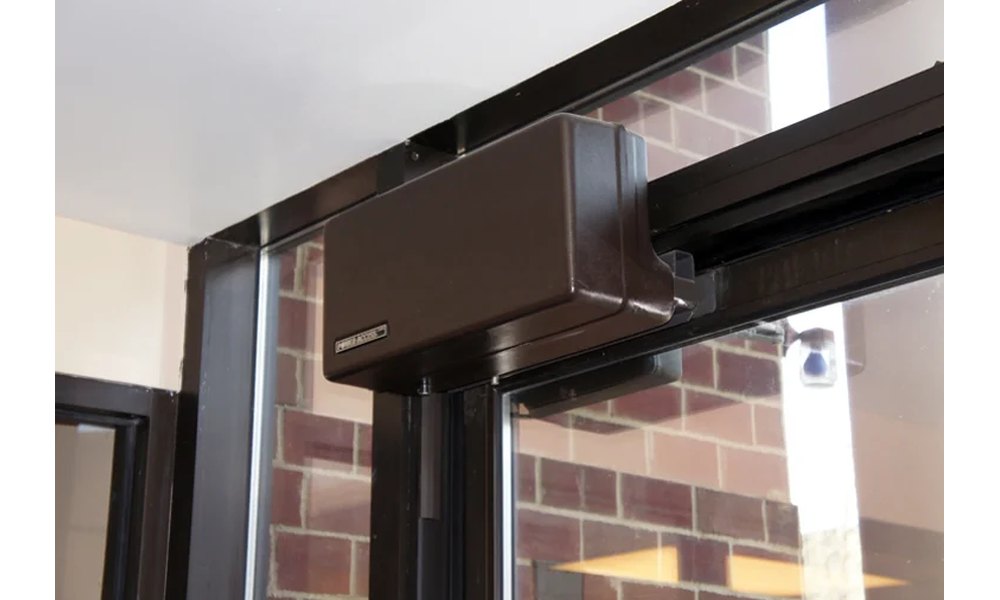 Independence
Automatic Door Openers
A push-button, remote, or smartphone-activated opener swings an interior or entry door for you — best paired with lever handles (not knobs) for limited hand function. Residential models from Power Access and SesameDoor retrofit onto existing doors.
🏠Smart Home & Environmental Control
Voice and app control of your environment — especially important for cervical injuries
Smart Home & Environmental Control
Voice and app control of your environment — especially important for cervical injuries
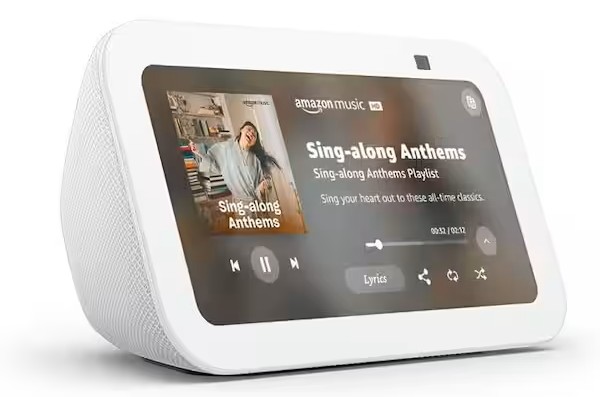 Foundation
Amazon Echo / Google Home (Voice Control Hub)
The starting point for voice control. Control lights, thermostats, locks, and entertainment by voice. For quadriplegics, this can mean the difference between independence and calling for help on basic tasks. Alexa and Google both integrate with hundreds of smart home devices. Place multiple units around the home for coverage from any position.
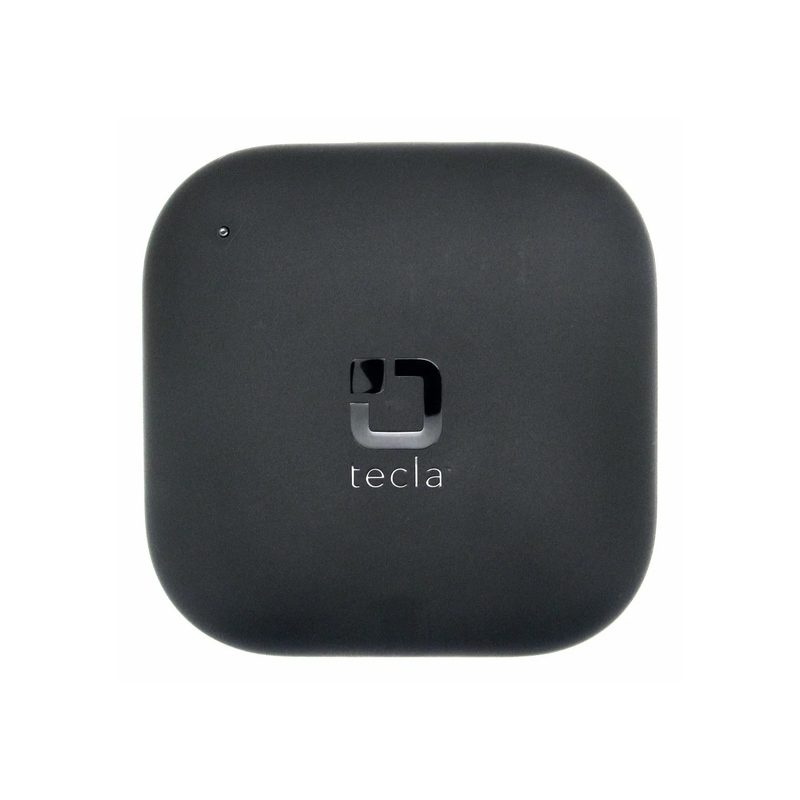 Essential — High Cervical
Tecla Shield Bluetooth Assistive Device
Connects to up to 8 Bluetooth devices — smartphone, tablet, computer, smart home — using your wheelchair joystick or ability switches. Gives quadriplegics full access to all their devices from existing chair controls. Widely the top assistive tech pick for high cervical users. Includes a universal remote IR blaster for TV/entertainment.
 Smart Lighting
Smart Light Bulbs & Switches
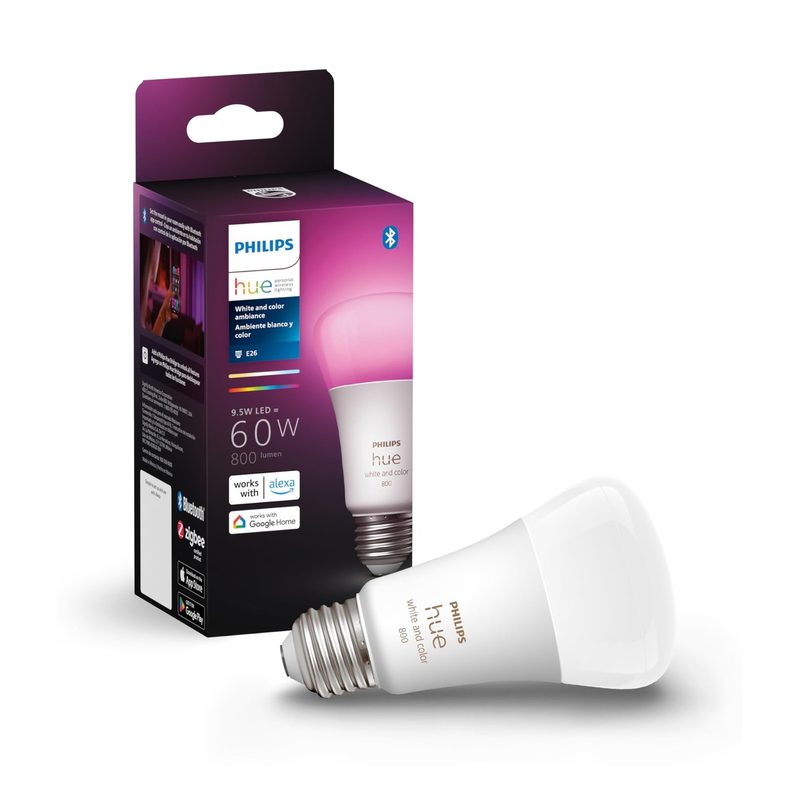
Kasa (TP-Link) smart bulbs are the better-value pick — they connect straight to your Wi-Fi with no separate hub or bridge to buy (Philips Hue requires one), cost a fraction of the price, and still handle dimming, color, schedules, and hands-free voice control through Alexa or Google. Kasa smart switches and plugs extend the same control to wall switches and any lamp or fixture — you can still flip the switch by hand, or run it by voice or app. Essential for anyone who can't easily reach light switches from a wheelchair.
 Temperature
Smart Thermostat
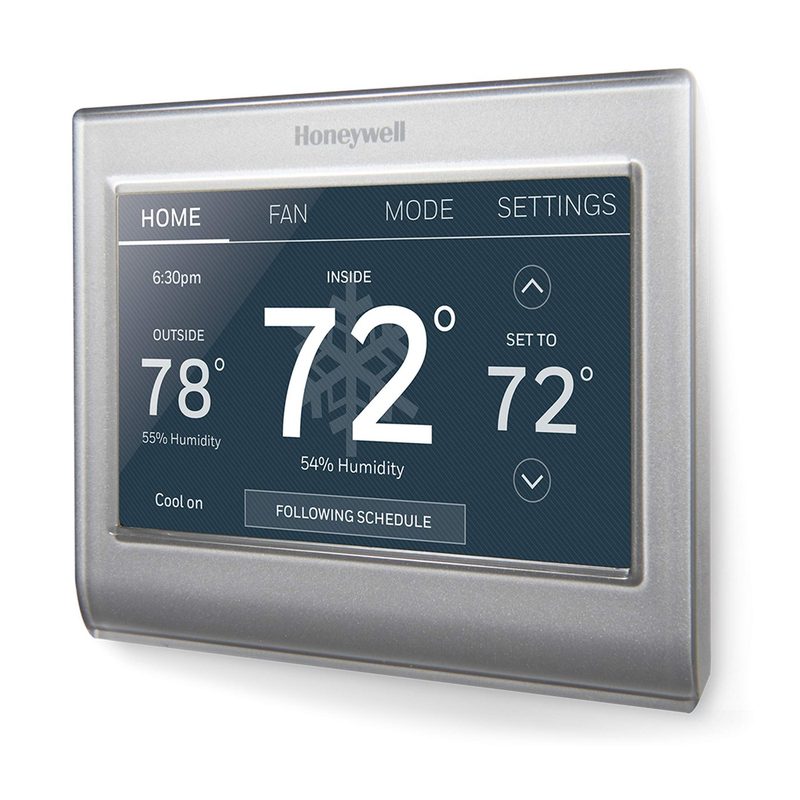
Particularly important for SCI users with temperature dysregulation — adjusting temperature by voice without physical effort matters. Nest and Ecobee both integrate with Alexa/Google and can be controlled remotely. Ecobee adds a SmartSensor for room-level temperature sensing.
 Door Access
Smart Locks & Automatic Door Openers
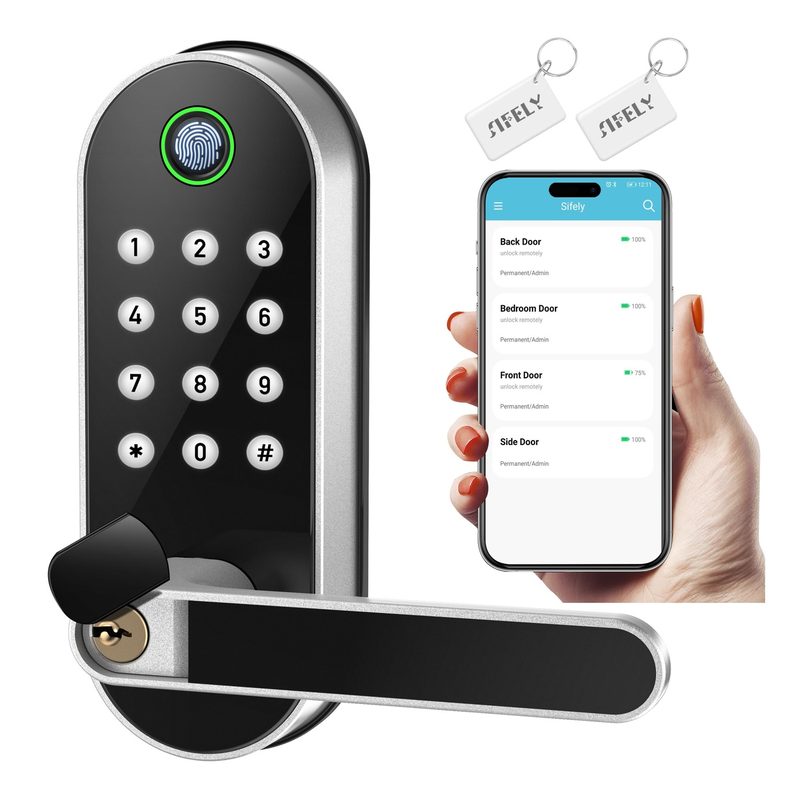
Smart locks allow keypad or app entry — no fumbling with keys from a wheelchair. Automatic door openers eliminate the problem of heavy or narrow doors. August and Schlage both work with Alexa/Google for voice locking/unlocking. Essential for quadriplegics who can't turn a key.
✋Hand Function, Splints & Grip Aids
Preventing contractures and adding grip — especially for cervical and incomplete injuries
Hand Function, Splints & Grip Aids
Preventing contractures and adding grip — especially for cervical and incomplete injuries
→ Full buying guide: Best Hand Splints, Grip Aids & Powered Gloves · How & when to use them: Hands After SCI: Contractures & Function
If your injury is in your neck, your hands may be the biggest functional question — and a hand that doesn't move can stiffen into a contracture within weeks. The right device depends on how much movement you have:
- No movement, keeping it healthy: a resting hand splint for night positioning, plus daily range of motion.
- No movement, but driving recovery: a robotic rehabilitation glove straps on and mechanically opens and closes your fingers through full grip cycles — the repetitive passive motion that fights contractures when you can’t move your hands yourself, with single-finger, mirror-therapy, and heat/massage modes. An affordable home version of the clinic hand-therapy robots. (From experience: check the sizing — some don’t fit smaller pinky fingers well.)
- Wrist extension, weak fingers: a tenodesis / wrist-driven orthosis turns wrist motion into a pinch.
- Some grip, just weak: a grip-amplifying glove — Carbonhand or the SaeboGlove.
- Little or no grip: a grip-generating device — PowerGrip or Bioness H200 (FES).
- Do tasks today: a universal cuff or Active Hands gripping aids work around grip entirely.
🖐️Adaptive Daily Living Equipment
The small tools that add up to big independence
Adaptive Daily Living Equipment
The small tools that add up to big independence
→ Buying guide: Best Cooling Gear for Heat Regulation — phase-change vs evaporative vests, and how to cool insensate skin safely.
 For Tremor / Weak Grip
Liftware Steady (Stabilizing Utensils)
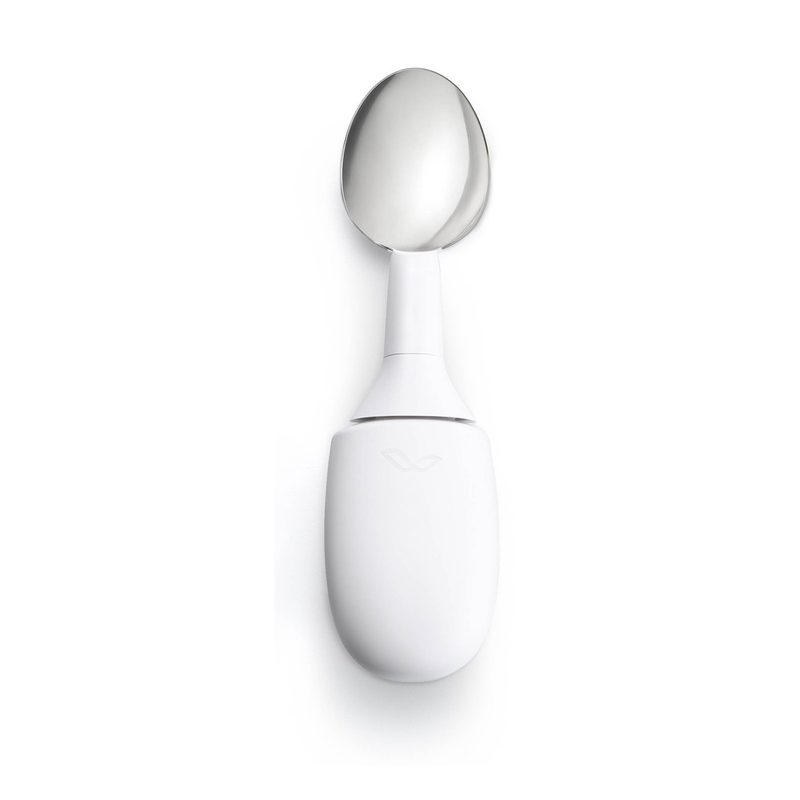
A motorized handle that senses and counteracts hand tremor, keeping the spoon or fork steady so you can eat without spilling. A genuine independence tool for people with tremor or unsteady hands (common with cervical and incomplete injuries). Interchangeable spoon, fork, and soup-spoon attachments. Pricier than basic adaptive utensils, but for the right person it's the difference between feeding yourself and needing help.
 For Temperature Regulation
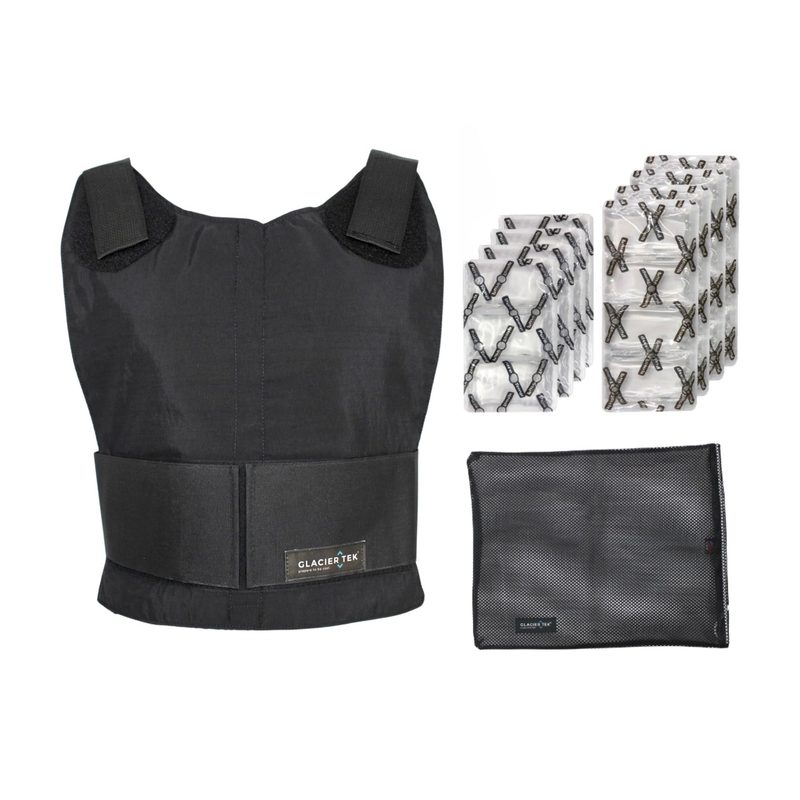
Cooling Vest / Neck Wrap
Many people with SCI can't regulate body temperature below the level of injury and overheat dangerously in warm weather — a real risk that's rarely talked about. Evaporative or phase-change cooling vests and neck wraps help you stay safe and comfortable outdoors, at events, or during exercise. Evaporative styles activate with water; phase-change packs hold a set temperature longer. Lightweight options are easiest to put on independently.
 Most Useful
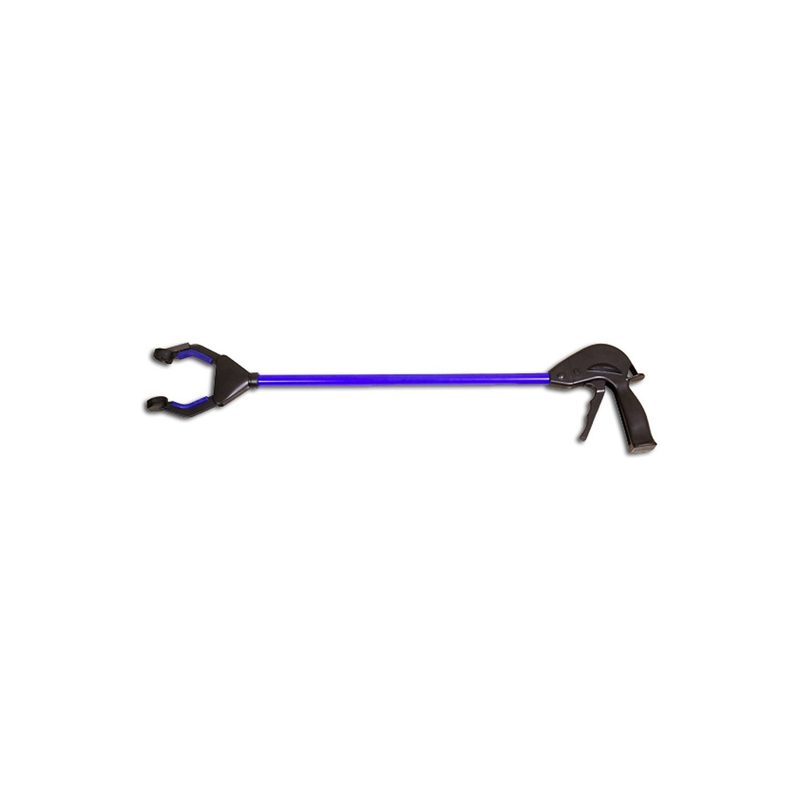
Reachers & Grabbers
A quality reacher is one of the most-used pieces of adaptive equipment. Used for picking up dropped items, reaching high shelves, pulling on clothes, and hundreds of daily tasks. Key features: length (25" or 32" — get both), jaw design (wider jaws for clothes, magnetic tips for metal items), grip strength. The Maddak Reacher and Helping Hand brand are community favorites. Have 2–3 placed around the house.
 Dressing
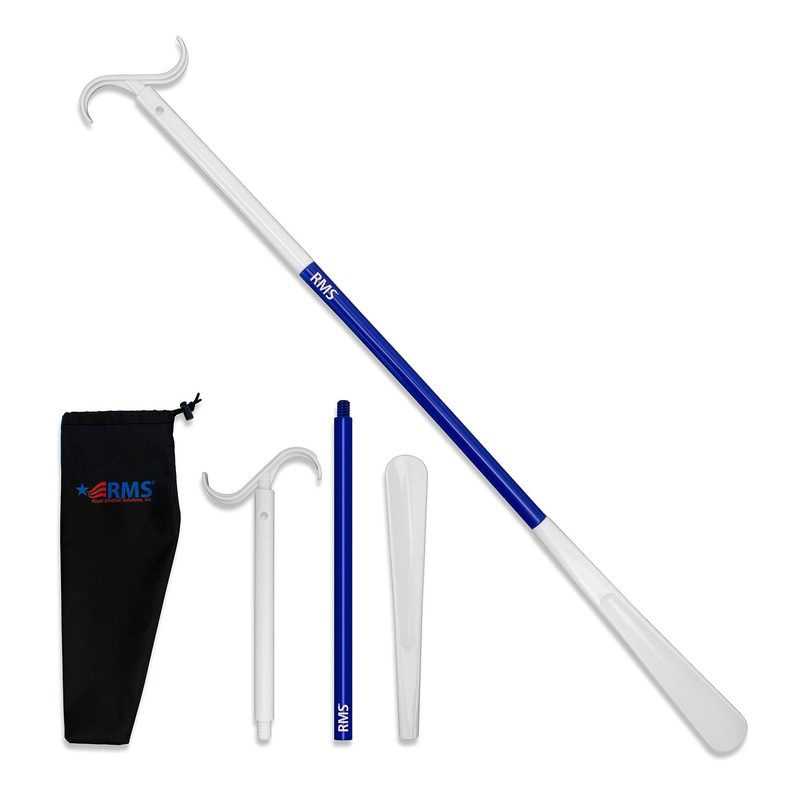
Dressing Stick, Sock Aid, Button Hook
A dressing stick extends reach for pushing pants down and pulling up. Sock aids allow sock application without bending — plastic frame holds the sock while you slide your foot in. Button hooks and zipper pulls help with fine motor challenges (especially CCS). Adding D-rings to zippers is a cheap DIY modification. All available as a kit on Amazon for under $20.
 Eating
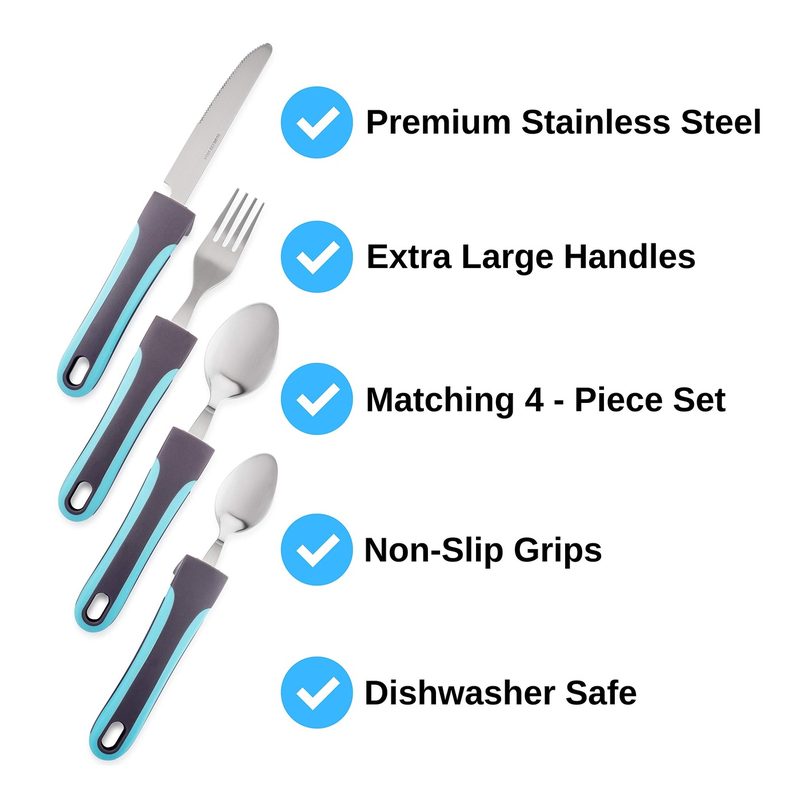
Adaptive Utensils, Universal Cuff, Dycem
For limited hand function: weighted utensils reduce tremor, universal cuffs hold utensils without grip, bent spoons work for wrist extension patterns. Dycem non-slip mats keep dishes in place. Built-up handle utensils are easier to grasp. Rocker knives allow one-handed cutting. Sammons Preston and Maddak are the go-to brands for adaptive kitchen tools.
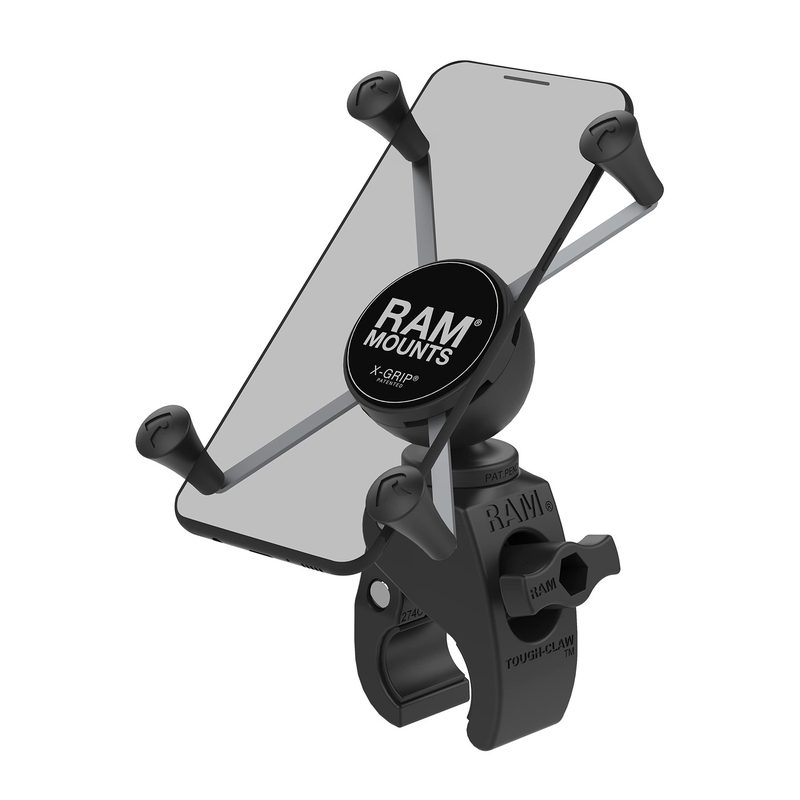 Phone & Computer
Phone Mounts, Stylus, Voice Control
A flexible phone mount (RAM Mounts, iottie) attached to the wheelchair puts the phone at accessible height. Capacitive stylus or knuckle-friendly screen touch for limited hand function. Dragon NaturallySpeaking (Windows) or built-in voice control (iOS, Android) for typing. Eye-tracking technology (Tobii Dynavox) for high cervical users who can't use hands.
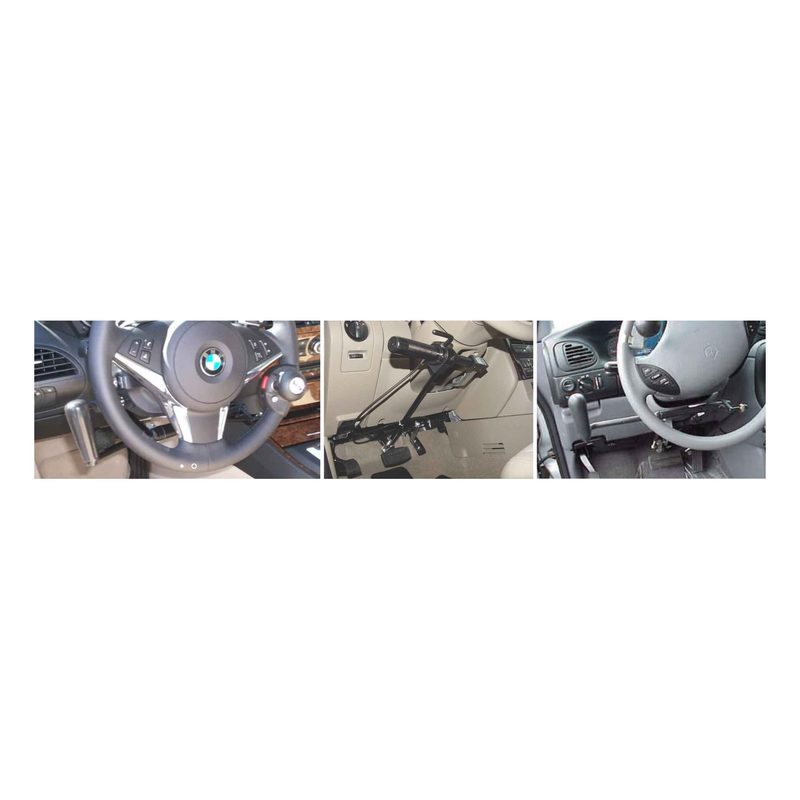 Driving
Hand Controls & Adaptive Driving Equipment
Push-right-angle hand controls (for most paraplegics) allow gas and brake operation by hand. Spinner knobs for one-handed steering. Left-foot gas pedal for those with left lower extremity function. Electronic adaptive controls (joystick driving, head controls) for cervical users. Adaptive driving requires a certified driver rehabilitation specialist evaluation — this is not DIY. Check the ADED directory for a specialist near you.
🦿Orthotics, Bracing & Exoskeletons
Bracing weak limbs, protecting joints, and robotic gait training
Orthotics, Bracing & Exoskeletons
Bracing weak limbs, protecting joints, and robotic gait training
For incomplete injuries and anyone working toward walking, bracing supports weak muscles, prevents the contractures that set in fast, and makes gait training possible. This ranges from a $30 wrist splint to six-figure robotic exoskeletons — most of which you’ll first meet in a rehab gym.
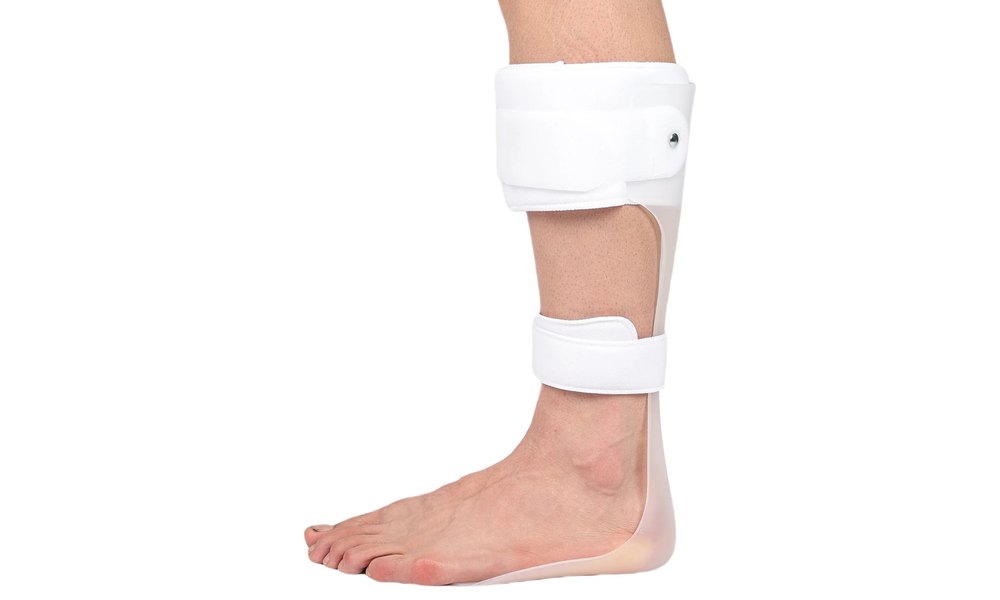 Foot Drop
Ankle-Foot Orthosis (AFO)
Braces that hold the ankle and foot in position for foot drop — common with incomplete injuries — so you trip less and walk more safely. Off-the-shelf works for mild cases; an orthotist molds a custom AFO for a better fit, and carbon-fiber dynamic AFOs (e.g., Allard ToeOFF) add spring-like push-off.
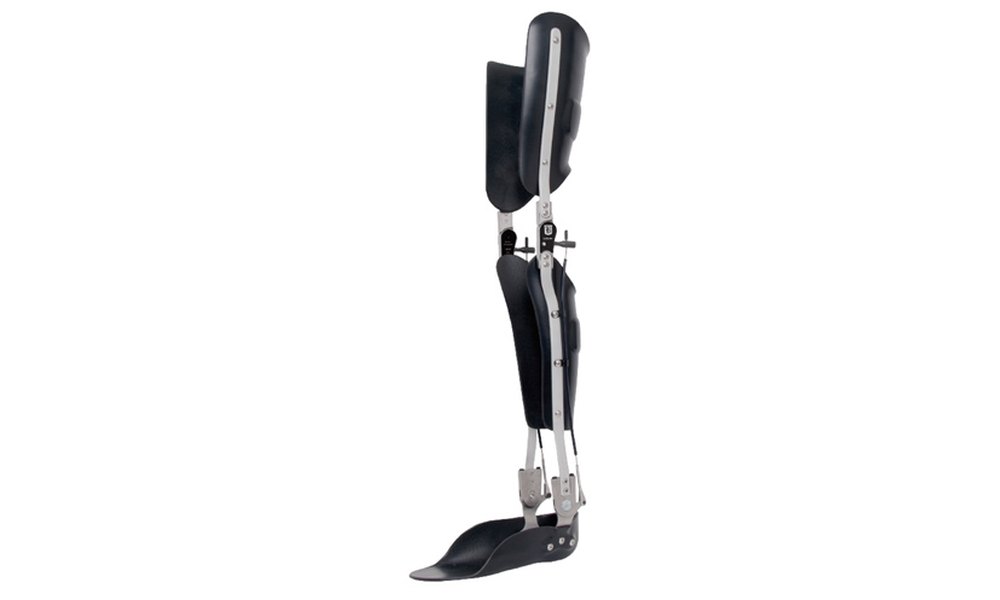 Knee + Ankle
KAFO & Stance-Control Orthosis
Knee-ankle-foot orthoses brace the knee as well, for more significant leg weakness. Stance-control KAFOs lock the knee when you put weight on it but free it to swing, giving a more natural, less exhausting gait. Custom-fitted by an orthotist.
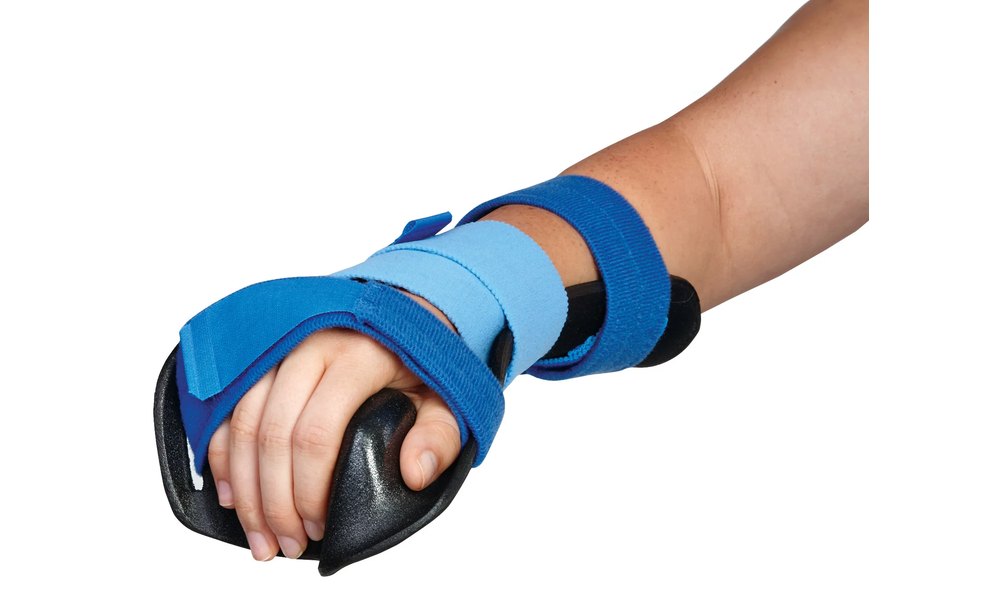 Prevent Contractures
Resting Hand & Wrist Splints
Night splints hold the wrist and fingers in a functional position to prevent the claw-hand contractures that develop quickly when hands can’t move. Off-the-shelf or custom from an OT. See Hand Function & Splints for tenodesis and grip aids.
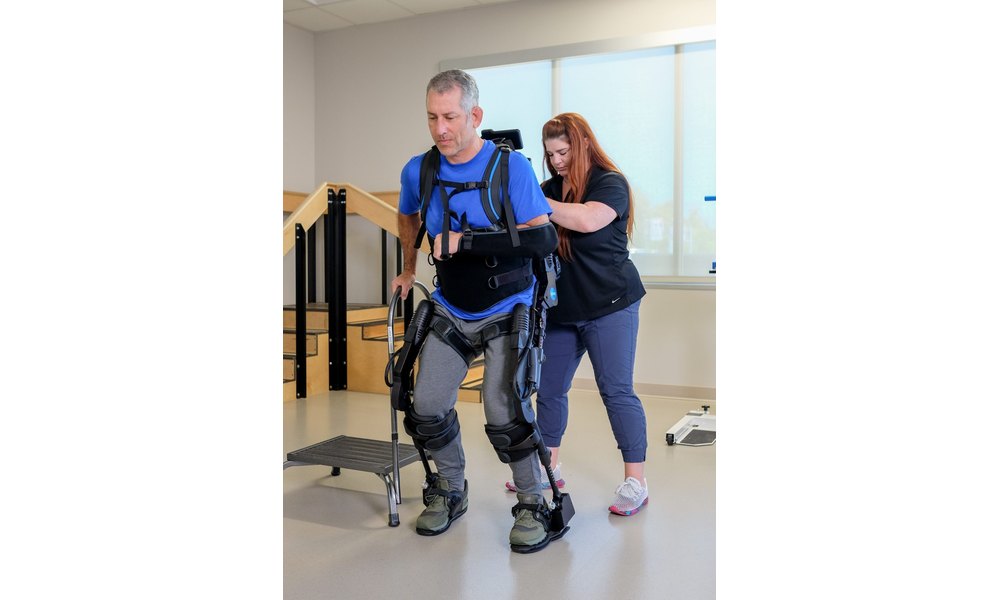 Robotic Gait
Powered Exoskeletons
Wearable robots that power the hips and knees so some people with SCI can stand and walk for gait training. A few are FDA-cleared for personal home/community use — the ReWalk 7 (Lifeward), now Medicare-covered and able to handle stairs and curbs, and the Ekso Indego Personal (FDA-cleared for injury levels T3–L5). Most people access them through rehab programs; personal units are costly with strict eligibility.
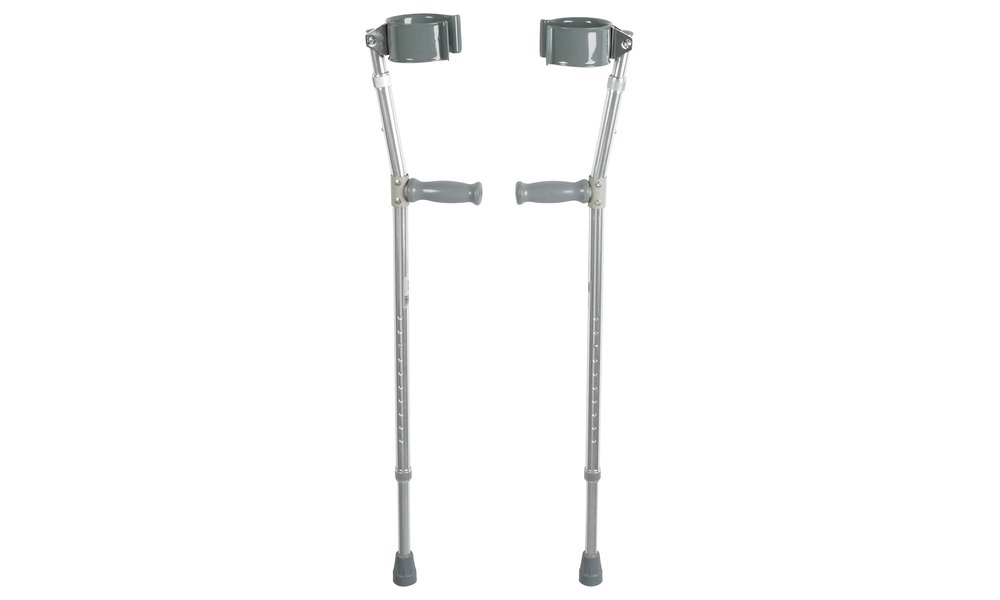 Walking Aids
Gait Trainers & Forearm Crutches
For incomplete injuries regaining ambulation, rolling walkers, gait trainers, and forearm (Lofstrand) crutches add support and stability — usually alongside AFOs and a PT program. A practical bridge between the parallel bars and independent walking.
⚡FES Devices (Functional Electrical Stimulation)
Using electrical stimulation to activate paralyzed muscles for exercise and function
FES Devices (Functional Electrical Stimulation)
Using electrical stimulation to activate paralyzed muscles for exercise and function
 Most Widely Used
Bioness H200 / StimRouter — Upper Extremity FES
FDA-cleared FES system for hand and arm function in cervical SCI. Stimulates forearm muscles to enable grasp and release. Used in rehabilitation and as an assistive device. Insurance-coverable with documentation. Requires training with a certified therapist. Not for everyone, but for the right cervical injury profile it can meaningfully improve hand function.
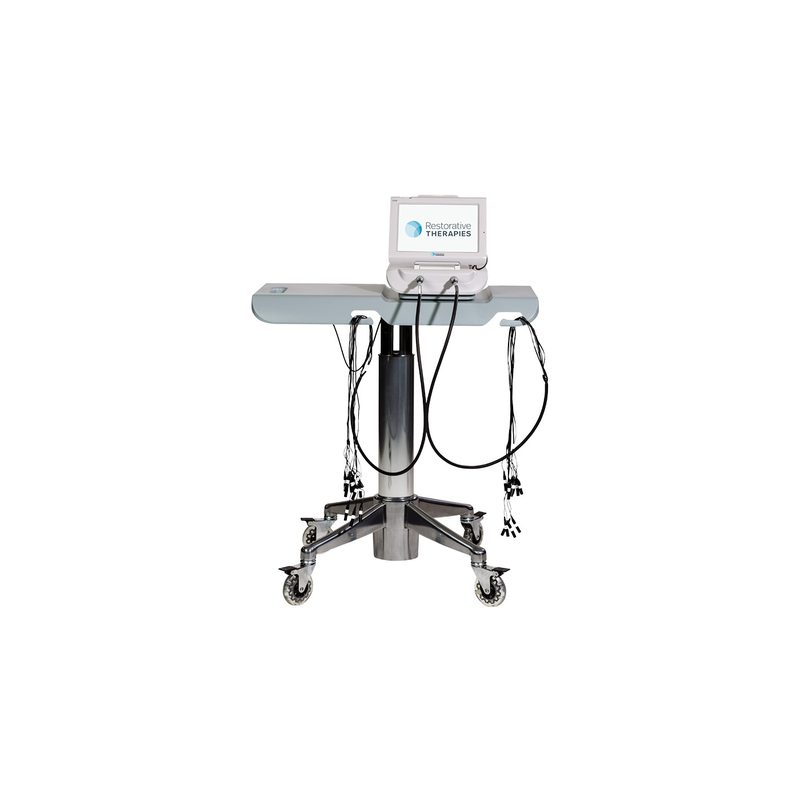 Home FES Cycling
RT300 / ERGYS FES Cycle
FES cycling systems for home use — electrodes stimulate leg muscles to pedal a stationary bike. Benefits: muscle mass, cardiovascular health, spasticity reduction, and possibly bone density (mixed evidence). Research supports neuroplastic benefits with sustained use. Expensive ($15,000–25,000) but insurance coverage possible with documentation. Some rental programs exist through rehabilitation hospitals.
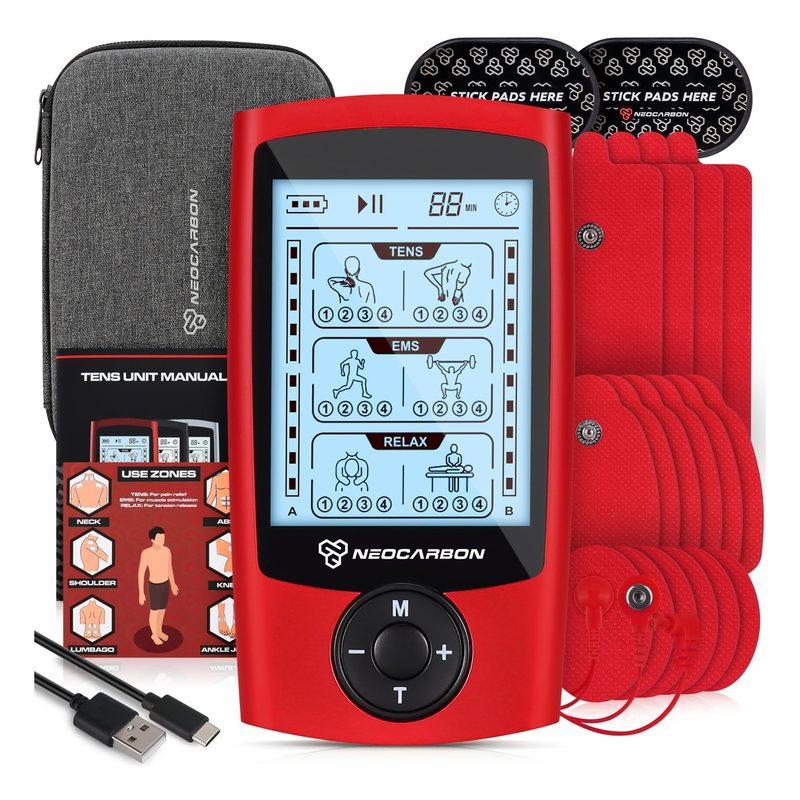 Entry Level
TENS / NMES Units for Home Use
Consumer TENS/NMES units aren't the same as clinical FES systems but provide some benefit for pain management, muscle maintenance, and spasticity. $50–200 on Amazon. Useful home therapy adjuncts — not a substitute for clinical FES, but accessible to everyone.
🧍Standing Frames & Standing Equipment
Regular standing has benefits for spasticity, bladder, and cardiovascular health, and may help bone density (evidence mixed)
Standing Frames & Standing Equipment
Regular standing has benefits for spasticity, bladder, and cardiovascular health, and may help bone density (evidence mixed)
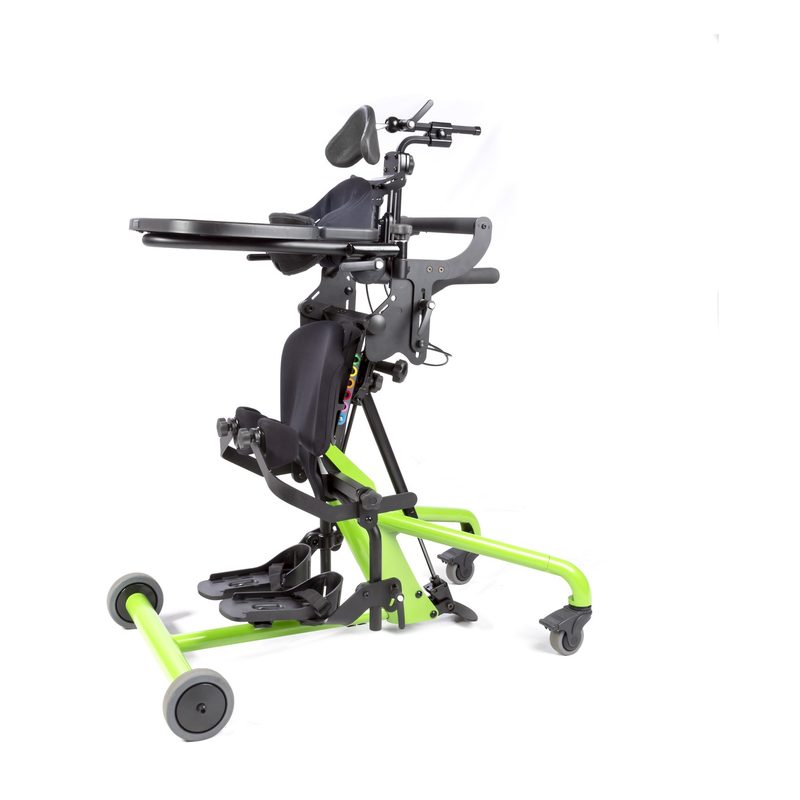 Most Recommended
EasyStand Glider / Bantam Standing Frame
The most widely used standing frame system in SCI rehabilitation. The Glider adds a cycling motion for active exercise. The Bantam is designed for heavier users or those with limited trunk control. Adjustable height, padded trunk and knee supports, tray table option. Often covered by insurance with documentation.
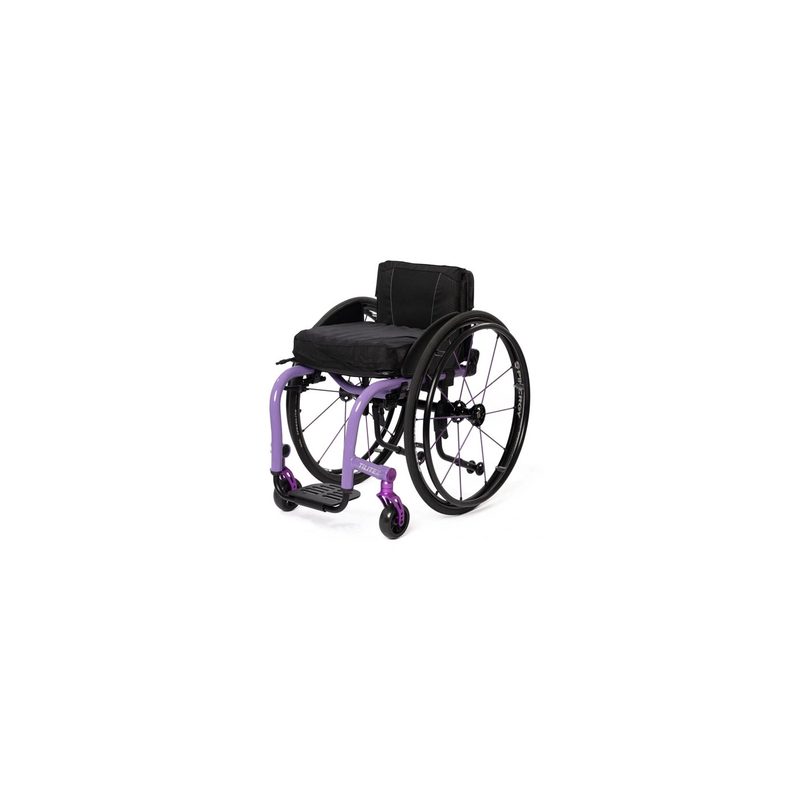 Standing Wheelchair
Standing Wheelchairs
Power or manual wheelchairs with a built-in standing system — you stand wherever you are without transferring to a separate frame. Permobil and Levo are the well-regarded names. The advantage is being upright during work and social activities without a transfer. Insurance documentation is extensive but coverage is possible.
🏋️Exercise & Fitness
Staying conditioned, protecting your heart and shoulders, and training below the injury
Exercise & Fitness
Staying conditioned, protecting your heart and shoulders, and training below the injury
Exercise after SCI protects your heart, weight, bones, circulation, and mood — wheelchair users face high rates of cardiovascular disease, so this genuinely matters. Equipment ranges from a few dollars of bands to accessible cardio machines. (The electrical-stimulation side lives in the FES section.)
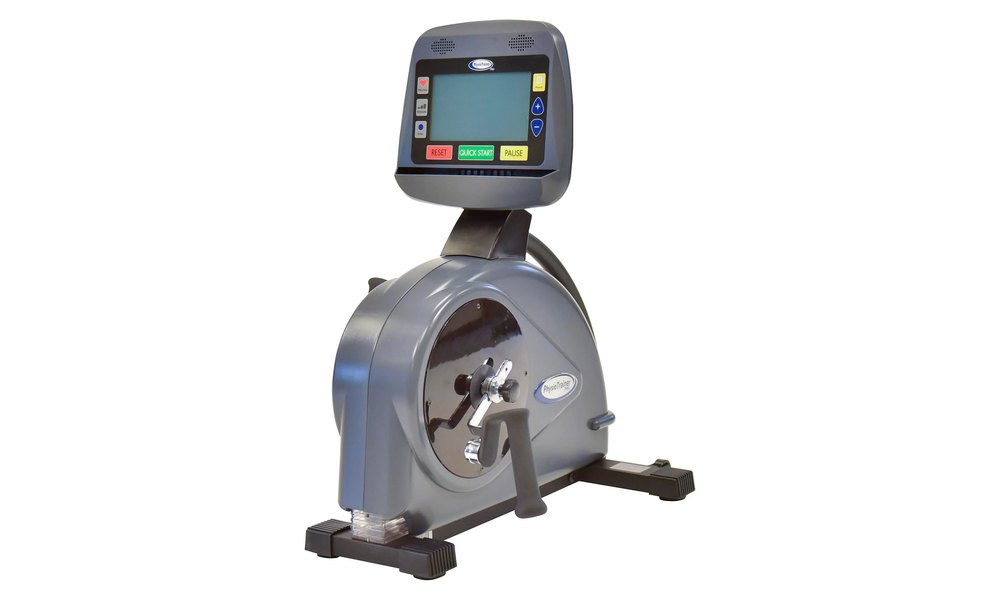 Cardio
Arm / Upper-Body Ergometer
A hand-crank cycle gives a real cardiovascular workout straight from your chair. Tabletop units are inexpensive; motorized trainers like the MOTOmed offer assisted or passive cycling for limited hand function and help with circulation and spasticity. Pairs with the FES cycle for legs.
 Strength
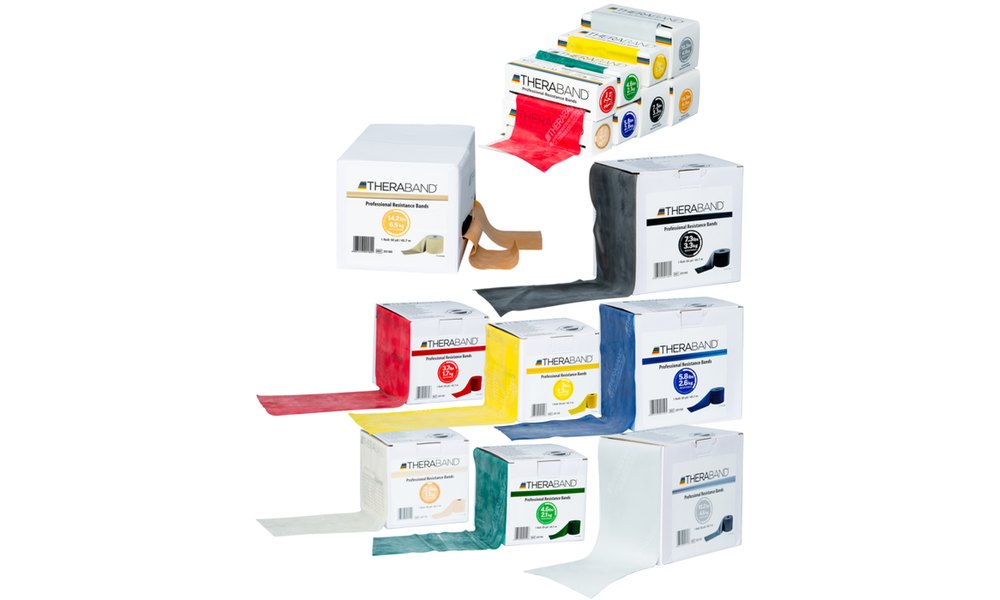
Resistance Bands & Pulley Systems
Bands and a door- or wall-anchored pulley system let you strength-train the muscles you do have — protecting your shoulders and making transfers and propulsion easier. Cheap, portable, and an OT can build you a routine that won’t overload the rotator cuff.
 Strength
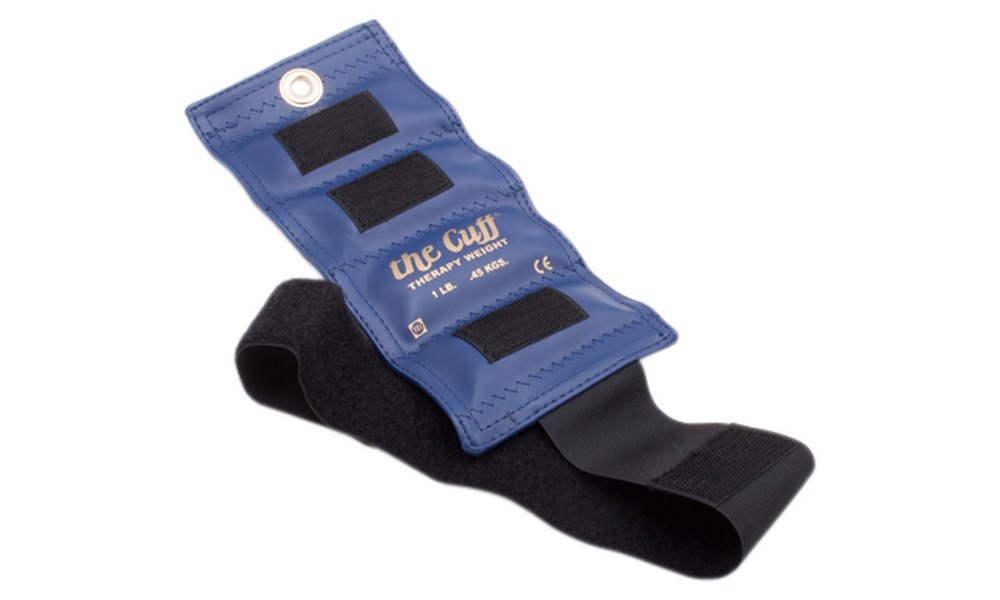
Wrist Cuff Weights & Adjustable Dumbbells
Wrist-cuff weights strap on for anyone without reliable grip; adjustable dumbbells save space. Building upper-body strength is one of the best long-term investments in your independence and shoulder health.
 Full Workout
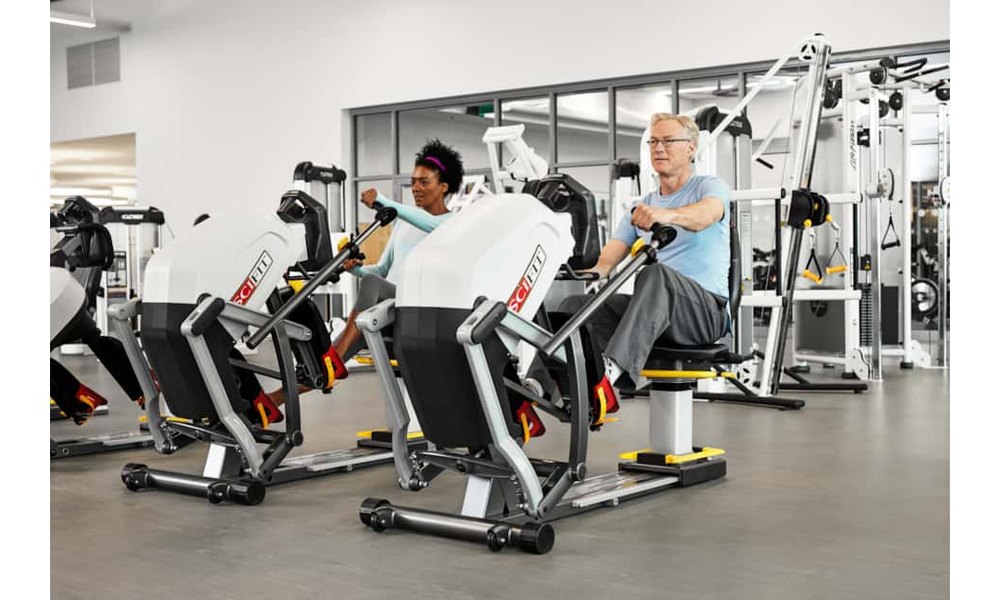
Accessible Cardio & Strength Machines
SCIFIT and NuStep make wheelchair-accessible machines — roll-up cable systems, upper-body and combined arm/leg cardio — that you’ll find in rehab gyms and some home setups. The gold standard if you have the space and budget for a real accessible workout station.
🚐Vehicles & Driving
Wheelchair-accessible vans, hand controls, and getting back on the road
Vehicles & Driving
Wheelchair-accessible vans, hand controls, and getting back on the road
 Start Here
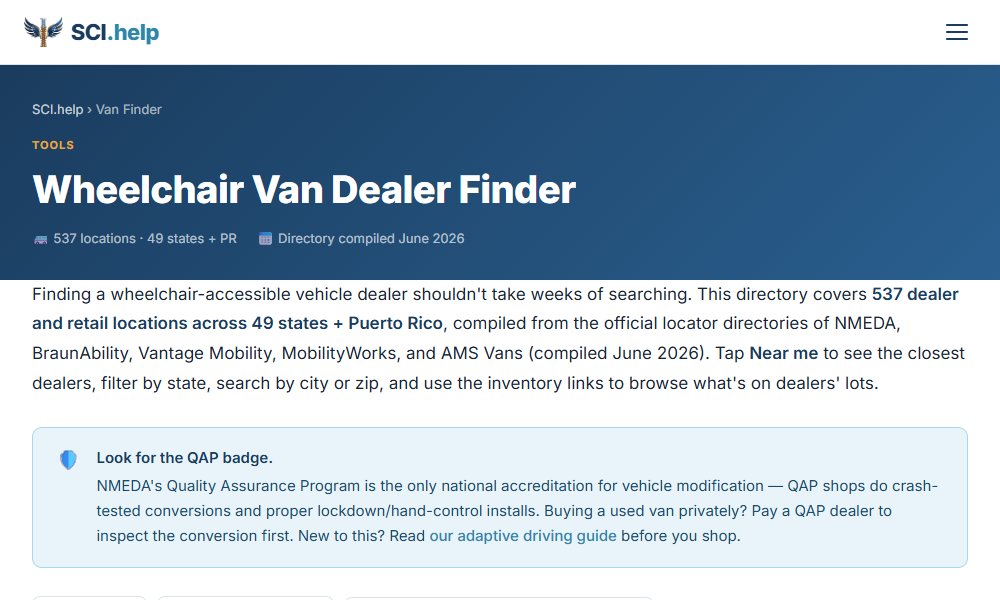
Wheelchair Van Finder
Our searchable directory of 537 mobility-van dealer locations across 49 states and Puerto Rico, with NMEDA Quality Assurance Program badges, phone numbers, maps, and inventory links. The fastest way to find a legitimate accessible-vehicle dealer near you.
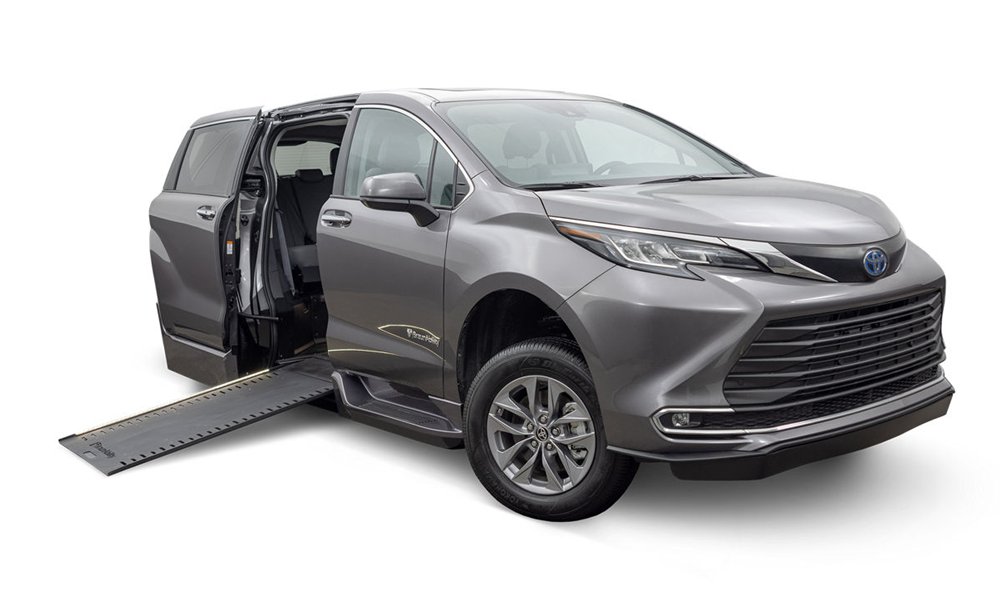 Conversions
Wheelchair-Accessible Vans
Side-entry and rear-entry minivans with lowered floors and ramps, plus full-size vans with lifts. Buy through an NMEDA QAP dealer so the conversion is crash-tested and the lockdown and hand controls are installed correctly.
Hand Controls
Hand Controls & Driving Aids
Mechanical and electronic hand controls, spinner knobs, left-foot accelerators, and pedal guards let many people with paraplegia and lower-level tetraplegia drive again. Get a certified driver-rehab specialist (CDRS) evaluation first — often funded by vocational rehab. A QAP mobility dealer installs them.
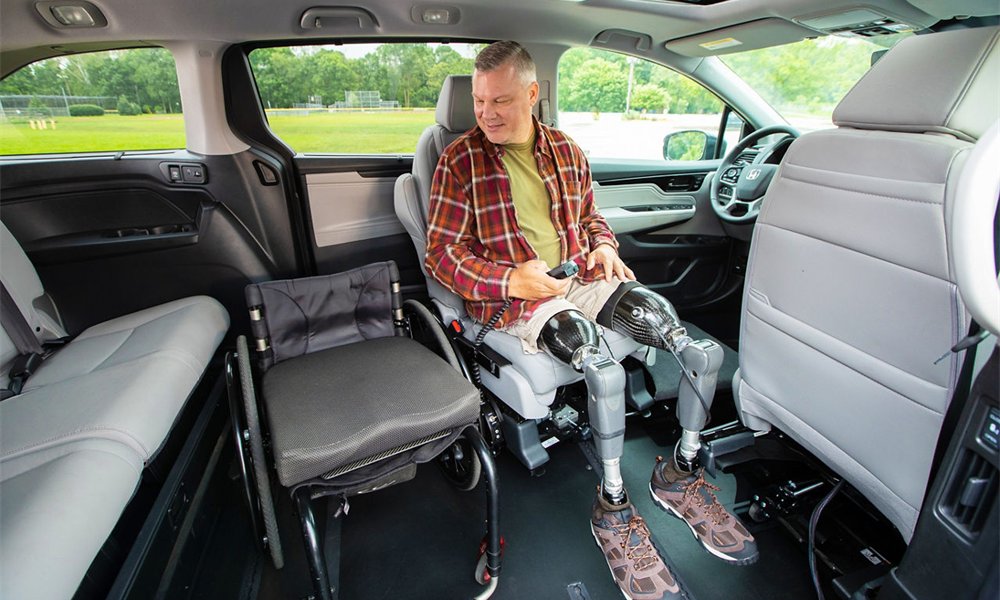 Transfers
Transfer & Turning Seats
Swivel and turning seat cushions, car-sized transfer boards, and door support handles (a HandyBar hooks into the door latch) make getting in and out of a standard car easier when a full conversion isn't needed yet.
🏅Adaptive Sports & Recreation
Sport chairs, handcycles, sit-skis, and gear to get back to playing
Adaptive Sports & Recreation
Sport chairs, handcycles, sit-skis, and gear to get back to playing
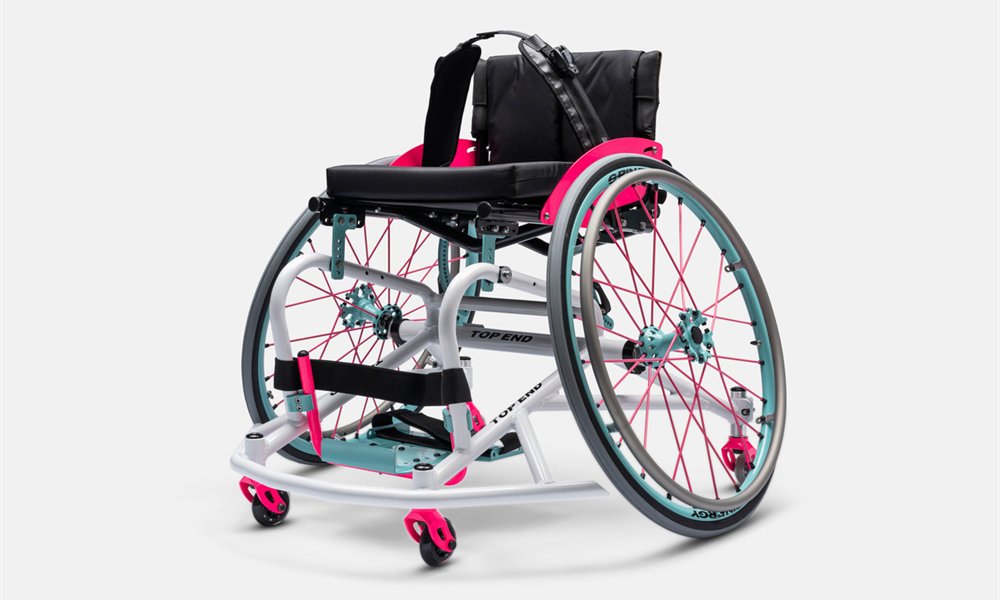 Everyday active
Sport & Active Wheelchairs
Rigid ultralight chairs tuned for active propulsion, plus court chairs for basketball, tennis, and pickleball (cambered wheels, anti-tip bars, strapping). A sport chair is usually a second chair separate from your everyday one — and a classic grant request.
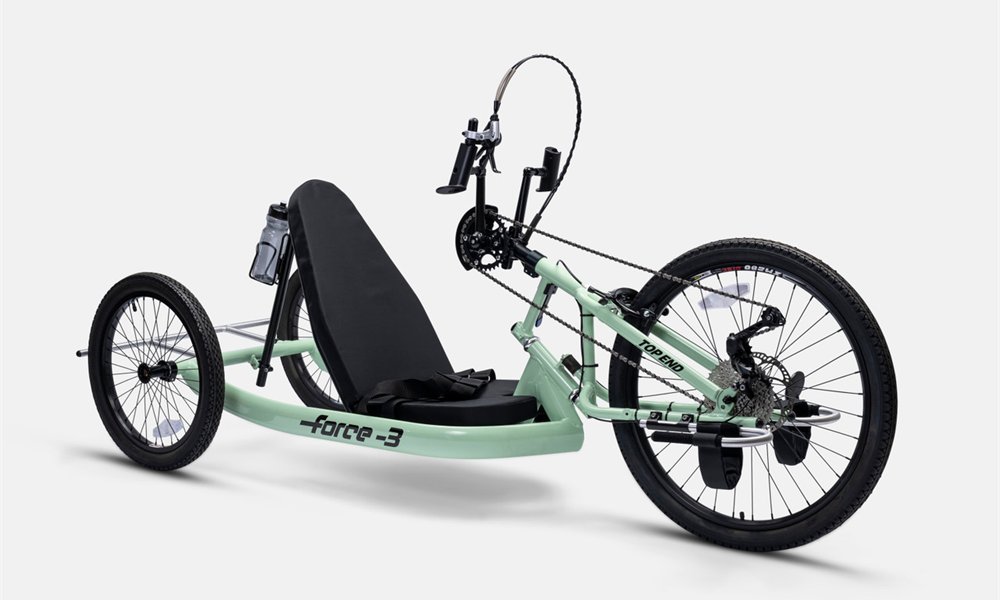 Cycling
Handcycles
Hand-powered cycles (upright or recumbent) for fitness and distance, including off-road and electric-assist models. One of the most popular ways back into cardio after SCI — many programs run group rides.
 Snow
Snow
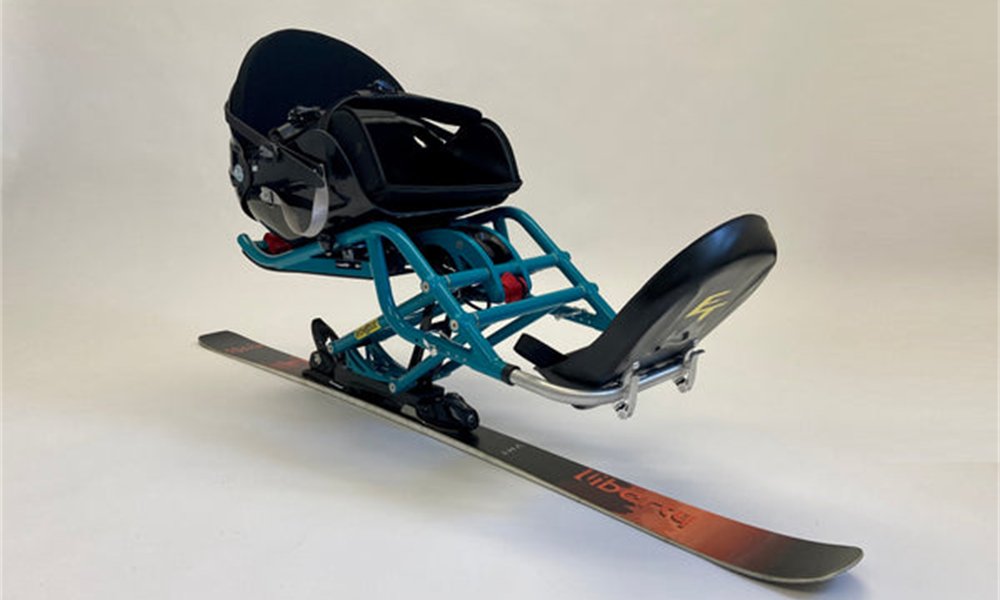
Sit-Skis & Mono-Skis
Mono-skis and bi-skis put you back on the mountain with a trained adaptive instructor. They're expensive to buy, but nearly every adaptive ski program rents and teaches on them, so try before you invest.
 Outdoors
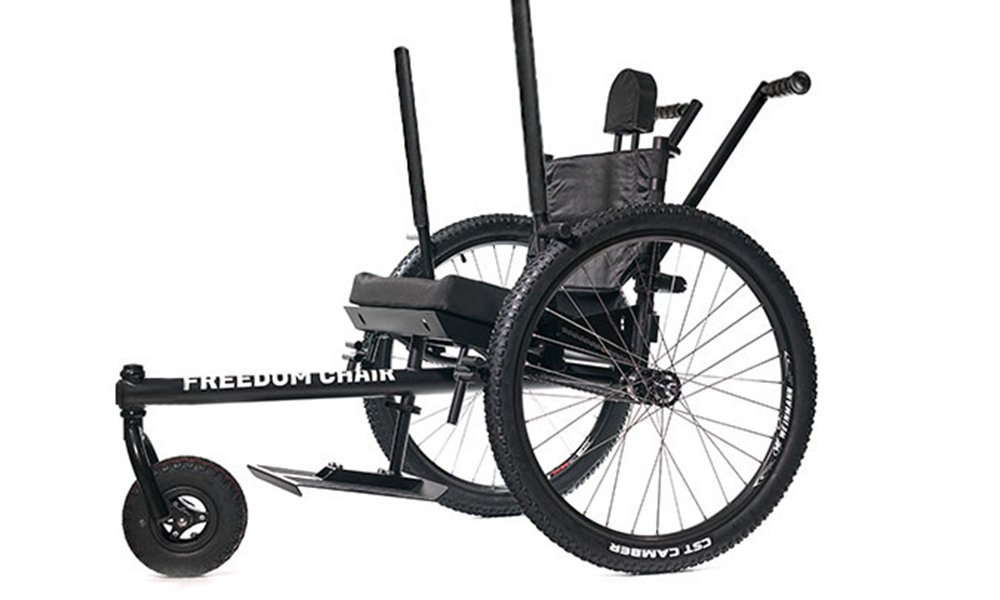
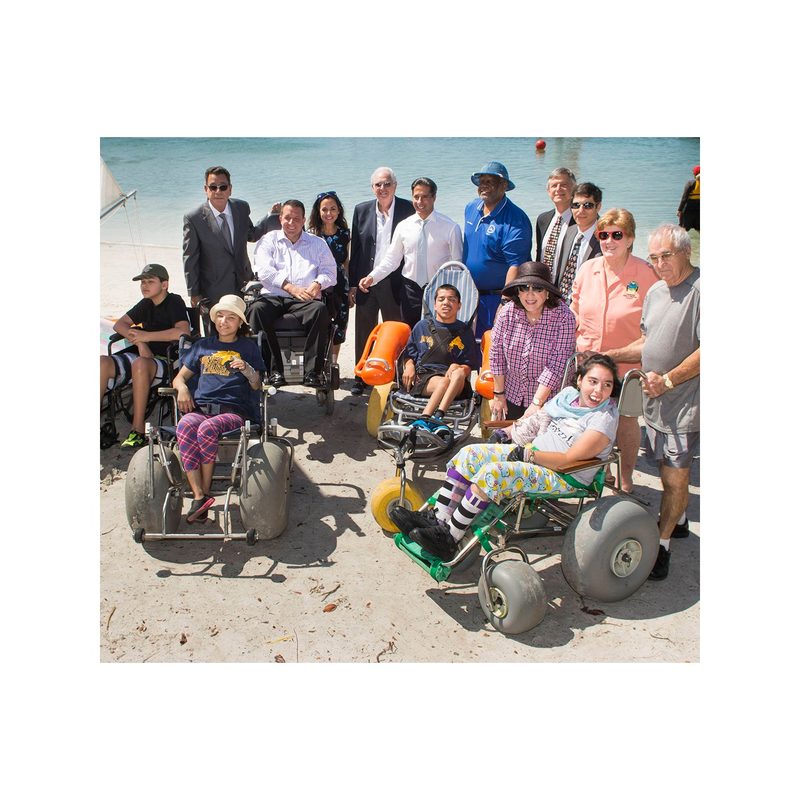
All-Terrain & Beach Wheelchairs
Off-road and beach chairs with big balloon tires or lever drives (like the GRIT Freedom Chair) get you onto trails, sand, and grass that stop an everyday chair. Many beaches, parks, and resorts loan them for free.
Grip & protect
Gloves, Straps & Accessories
Padded wheelchair gloves protect your hands and improve grip for sport and daily pushing; trunk straps, gripping aids, and quad cuffs make many sports playable with limited hand function.
💰Funding Your Equipment
Insurance, grants, and programs that help pay for what you need
Funding Your Equipment
Insurance, grants, and programs that help pay for what you need
 Medicare
Medicare Part B — Durable Medical Equipment
Medicare Part B covers 80% of approved DME after deductible (supplemental plans cover the rest). Covered items include complex rehab wheelchairs (K0005 manual ultralight, power chairs K0856+), cushions, catheters, and standing frames in some cases. Requires face-to-face physician evaluation and ATP involvement for complex rehab technology. Numotion, National Seating & Mobility, and similar ATPs navigate Medicare regularly.
 Grants
Equipment Grants & Assistance Programs
When insurance doesn't cover what you need: United Spinal Association has an equipment assistance program. Reeve Foundation Quality of Life Grants fund equipment and home mods. Paralyzed Veterans of America for veterans. Help Hope Live helps set up fundraising campaigns for medical costs. Triumph Foundation provides catheter supplies to low-income SCI patients.
 State Programs
State Vocational Rehab & Medicaid Waivers
State Vocational Rehabilitation funds equipment related to employment. HCBS Medicaid waivers cover equipment and home modifications in many states (programs vary). Your local Center for Independent Living can navigate state-specific options — it's one of their core services.